Fb-Button
Piero Maina - Piero Maina's Website - Never Give Up! - Pagina 8 di 9

Piero Maina's Website – Never Give Up!

Autore: Piero Maina

  • How To Lose 20 Pounds Really, Really Fast!

    How To Lose 20 Pounds Really, Really Fast!

     Title: How To Lose 20 Pounds Really, Really Fast!

    By line: By Tom Venuto, CSCS, NSCA-CPT

     URL: www.BurnTheFat.com!

     Word count: 1816 words

    How To Lose 20 Pounds Really, Really Fast By Tom Venuto, NSCA-CPT, CSCS www.BurnTheFat.com!

    Back “in the day” when I was a full time personal trainer and I met with weight loss clients in person at my New Jersey Health Club, the first thing I would always ask during the initial consultation was:

    “Tell me what you want… and I’ll show you how to get it.”

    Typical reply from client:

    “I want to lose 20 pounds fast.”

    My reply:

    “Are you SURE that’s what you want? …If I can show you how to lose 20 pounds REALLY fast, will that make you happy?”

    They nodded their head affirmatively as their eyes lit up in anticipation of the rapid weight loss secrets I was about to reveal…

    Their face went white when – with a totally straight face – I pulled out a hacksaw and started walking towards them…. menacingly.

    Not sure whether to laugh or run in sheer terror, they said,

    “What the heck are you doing?”

    “You said you wanted to lose 20 pounds fast. This is the easiest, surest, most effective way I know to take 20 pounds off you FAST! In fact, I figure that right leg of yours might even weigh 25 pounds!”

    I kept walking closer and started to get into sawing position, wielding my fast, effective and guaranteed weight loss tool…

    “Bear with me because this IS quick, but sometimes it takes a few minutes for me to cut through the bone.”

    By this time, my client (and I) are either completely cracking up, I have seriously scared the living you know what out of them, or they just think I’m a complete lunatic… (depends on whether I was able to keep a straight face or not)

    Finally, the light bulb goes on, and my client would see where I was going with this:

    “Okay, smart alec,” I get it… I don’t want to lose WEIGHT, I want to lose FAT.”

    Sometimes I would be having so much fun, I would just keep on playin’…

    “But why not? This is easy, fast and guaranteed – just what everyone wants these days… it’s even better than taking a pill! Come on… let me hack it off! You’ll be my next testimonial: ‘I lost 20 pounds in 5 minutes!’ Imagine what that will do for my business!”

    “Very funny. I told you, I get it! I want to lose FAT, not muscles and bones. I need my leg!”

    Naturally, of course, I don’t always have to pull out my trusty blade. Every once in a while… about as often as a total solar eclipse… a client answers my question like this:

    “What do I want? Tom, I want to lose 20 pounds of body fat in the next 12 weeks. I want to do it slowly, safely and healthfully and then keep it off permanently. I want all the fat around my hips and thighs completely gone and I want a firm flat stomach. I want muscle all over my body while still looking feminine. I’d like to see myself at about 16% body fat and maintain all my muscle or gain a few pounds of lean mass if I can, especially in my arms. This is important to me because I want to set a good example for my kids, I want to be healthy and live to at least 90 and I want my husband to look at me and say, “I love your body,” and I want to be able to *honestly* say back to him, “me too!”

    It is on these rare occasions that I know there is still intelligent life on this planet.

    If you could answer the question, “What do you want” with the lucidity, clarity and specificity that this woman did, I don’t think you would ever have any difficulty reaching your health and fitness goals… or any other goal in your life, for that matter.

    Her answer was what you call a very “well-formed” goal, backed up with lots of emotional motivation-inducing “reasons why.”

    “I want to lose weight” is a poorly-formed goal.

    “Weight” is not the same as “fat.” Weight includes muscle, bone, internal organs as well as lots and lots of water.

    If you only learn ONE thing from all my newsletters, articles and books, PLEASE learn this:

    WHAT YOU REALLY WANT IS TO BURN THE FAT, WHILE KEEPING THE MUSCLE!!!!

    FAT LOSS is what you want, not weight loss.

    If your body were 100% rock-solid muscle, with absolutely nothing that jiggled (unless it was supposed to), would you care how much you weighed?

    I bet you wouldn’t! And if that’s true, then…

    STOP WORSHIPPING THE SCALE AND START MEASURING YOUR BODY COMPOSITION!

    By measuring your body fat, you take the guesswork out of your health and fitness plan and you get an accurate picture of what’s really happening in your body as a result of your diet and exercise program.

    Instead of worrying about whether you are losing muscle, or wondering if you are losing fat, you can measure it and KNOW for sure. (I always get a good chuckle when someone tells me they’re worried about losing muscle when they don’t even measure how much muscle they have!)

    Instead of being confused by all the “opinions” from weight loss and exercise “experts” who are all telling you something different, you can MEASURE your body composition and based on the results, you can KNOW for sure whether your program is working.

    A very wise man once said,

    “A single measurement is worth a thousand opinions.”

    So, how do you measure body fat?

    Thanks to technology, there are some methods today that are so accurate, they can tell you whether your left pinky has more fat than your right pinky! Unfortunately, many of them are either too expensive or they are inaccessible, being found only in hospitals or research facilities

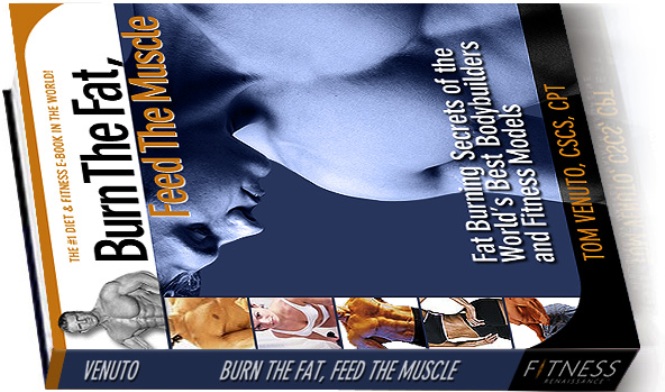
    If you want to learn a LOT about various body fat testing methods, chapter 3 of my e-book, Burn The Fat, Feed The Muscle (www.BurnTheFat.com!) goes into great detail about the pros and cons of all the various fat testing methods. Instead of re-hashing it all here, let me give you three quick and easy, practical suggestions:

    Suggestion 1: Have a trainer or fitness professional measure you if this service is available at your local health club. Sometimes, there’s a charge – usually $15 – $25, although some clubs offer the service for free to all their members.

    Suggestion 2: Purchase an Accu-measure skinfold caliper. Do a google or yahoo search to find a reseller.

    The Accu-measure was designed to allow you to measure your own body fat in the privacy of your own home (you don’t need someone else to measure you)

    Some people wonder if this is really accurate. Truth is, it’s not quite as accurate as a multi site skinfold test from an experienced tester, but what’s most important is not the “accuracy” per se, but the reliability and consistency of your measurements so you can track your progress. Skinfold calipers in general are not accurate or inaccurate, it’s the person doing the test that is accurate or inaccurate.

    Suggestion 3: If you have a spouse, roommate, or friend who can measure your body fat, you can purchase a Slim Guide body fat caliper (or just about any brand of caliper) from Creative Health Products: chponline.com

    The Slimguide is the best inexpensive caliper available (about $20), but it wasn’t designed for you to measure your own body fat like the Accu Measure. You’ll need someone to measure you with this caliper. Other models of body fat calipers (if you want to splurge), range from $150 to $450. (At our health clubs, I use the electronic “SKYNDEX” caliper with the 4-site “Durnin formula.”)

    The calipers come with instructions, or you can use these formulas, which I have used and found to be very accurate:

    4 Site formula for men (abdomen, suprailiac, thigh, tricep)

    % fat = .29288(sum of 4 skinfolds) – 0.0005(sum of four skinfolds squared) + 0.15845(age) – 5.76377

    4-Site Formula for women (abdomen, suprailiac, thigh, tricep)

    % Fat = (.29669)(sum of 4 skinfolds) – (.00043)(Sum of four skinfolds squared) + .02963(age) + 1.4072

    [Source: Jackson A S, Pollock, M (1985) Practical assessment of body composition. Physician Sport Med. 13: 76-90.]

    Body fat percentages vary based on age and gender, but 20-25% body fat is average for women (15-19% is ideal), while 15-20% is average for men (10-14% is ideal). I have detailed charts for body fat charts in my e-book if you’re interested.

    Once you know your body fat percentage, then weigh yourself and record your weight and body fat on a progress chart such as the one found in my Burn The Fat Feed The Muscle Program (a fat loss program, not a weight loss program). This chart is how you will track your progress and “keep score.”

    You can calculate your lean body mass (muscle and other fat free tissue) very easily just by crunching some numbers:

    For example, if you weigh 200 pounds and you have 10% body fat then you have 20 pounds of fat (10% of 200 = 20). That means you have a lean body mass (LBM) of 180 pounds.

    Now we’re talking! With this data, you can get a really clear picture of how your exercise and nutrition program are affecting your physique.

    Losing weight is very easy. Losing fat – and keeping it off without losing muscle – is a much bigger challenge. If you simply wanted to lose weight, we could just chop off your leg.

    Or, (slightly less painful), I could show you how to drop 10 – 15 pounds over the weekend just by dehydrating yourself and using natural herbal diuretics. Wrestlers do it all the time to make a weight class. But what good would that do if it’s almost all water and you’re just going to gain it all back within days?

    You don’t have to “throw away your scale” like many “experts” tell you to. By all means, keep using the scale, the tape measure and even photographs and the mirror – the more feedback the better – but body fat is where it’s at.

    By the way, I recently bought a chain saw and a shiny new axe from Home Depot, and I’ve been practicing my “American Psycho” and Jack Nicholson, “The Shining” impersonations… so if you want to come to my office any time soon for personal consultation, you’d better have the right answer to my question, “What do you want?”

    For more information about a nutrition and training program that focuses exclusively on FAT LOSS, not WEIGHT LOSS, visit: www.BurnTheFat.com!

    About the Author:

    Tom Venuto is a lifetime natural bodybuilder, an NSCA-certified personal trainer Tom Venuto(CPT), certified strength & conditioning specialist (CSCS), and author of the #1 best-selling e-book, “Burn the Fat, Feed The Muscle.” Tom has written hundreds of articles and been featured in IRONMAN, Australian IRONMAN, Natural Bodybuilding, Muscular Development, Exercise for Men and Men’s Exercise, as well as on dozens of websites worldwide. For information on Tom’s Fat Loss program, visit: www.BurnTheFat.com!

  • Clubfitting – Questo Sconosciuto

    Clubfitting – Questo Sconosciuto

    Titolo: Clubfitting – Questo Sconosciuto

    By: Piero Maina

    Conteggio parole : 1745

    Clubfitting - Questo Sconosciuto
    Tom Wishon

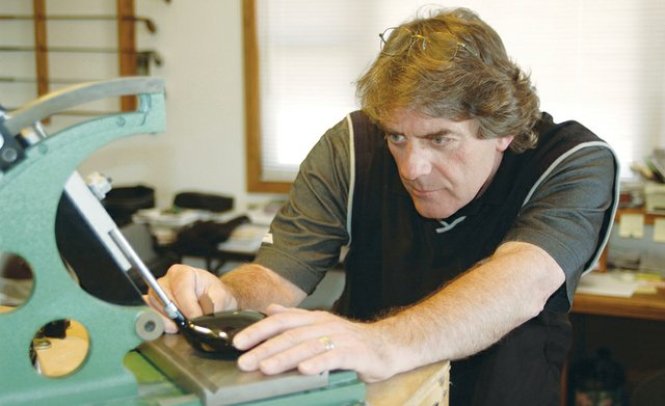
    Clubfitting, non se ne parlava molto alcuni anni or sono, ma oggi, complice anche la maggiore informazione da parte degli addetti ai lavori, questa parola è entrata a gran forza nel vocabolario del golfista comune e le stesse case costruttrici che prima hanno sempre cercato di nascondere “la verità”, consentono di personalizzare i bastoni acquistati. Ma vediamo cosa vuol dire realmente clubfitting e come possono le case dare un servizio personalizzato all’interno di una produzione di massa.

    Facciamo prima un po’di chiarezza: Il bastone da golf assemblato è costituito principalmente da tre pezzi più materiale di consumo e cosmetico ed è un oggetto assai semplice. I tre pezzi principali sono la testa del bastone, lo shaft e il grip e il materiale di consumo è costituito dalla resina o colla per tenere insieme lo shaft con la testa e il solvente per poter installare il grip sullo shaft, più la pipetta o ferrule che verrà posta come raccordo tra lo shaft e la testa e ha solamente funzione estetica. Et voilà! Il bastone è pronto. Eppure dietro questo semplice attrezzo c’è un mare di scienza. Principalmente fisica.

    Sfatiamo un po’ di miti che purtroppo molto spesso ritrovo scritti su siti di affermati professionisti oltre ad essere pronunciati da maestri di golf o esperti giocatori. Va detto innanzitutto che la “scienza del bastone” non ha nulla a che vedere con l’essere bravi a giocare a golf, è come se i meccanici di una macchina di formula 1 dovessero essere altrettanto bravi a pilotarla prima di poter mettere le mani su di essa o viceversa il pilota Fernando Alonso per pilotare dovesse essere un esperto meccanico. Certo per passione entrambe le categorie potranno intendersene, ma ciò non è richiesto. Il primo mito da sfatare è che lo shaft non è il “pezzo” più importante all’interno del trittico, nè è paragonabile al motore come appunto sento dire molto spesso. A livello d’importanza tutti e tre i componenti sono importanti e ognuno darà il suo contributo per la miglior riuscita di un colpo da golf, ma se proprio vogliamo avere una gerarchia, sarà la testa del bastone ad essere la componente più importante. Come dicevo, lo shaft è accompagnato dal luogo comune che lo definisce il motore del bastone, voglio spiegare che il bastone non genera energia da solo, ma ha bisogno di una forza esterna e in questo caso il golfista che è il motore. Semmai volessimo paragonare lo shaft ad un organo meccanico di una macchina, diremmo piuttosto che lo shaft è la “trasmissione” che deve essere quindi adeguata al motore che supporta.

    Un’altro mito da sfatare è nella convinzione che minore sarà il loft del mio drive e maggiore sarà la distanza che farò. Anche questa affermazione è purtroppo vera come legge fisica, ma non vera nel mondo del golf reale per i giocatori medi. Questo perchè entrano in gioco gli angoli di lancio, il backspin, il loft dinamico e la velocità della testa del bastone e molte altre variabili che vi spiegherò in articoli dedicati in quanto in questa sede sarebbe richiesto troppo tempo e l’articolo stesso diventerebbe troppo tecnico. Sappiate comunque che di base per i giocatori con velocità di swing basse, sotto le 80 mph con il drive, (la media per i giocatori dilettanti maschi è di 90 mph e per i professionisti del PGA 112 mph) che spesso sono raggiunte attraverso swing out-in (esterno-interno) o over the top (colpire dall’alto), o addirittura entrambe, la scelta migliore per il drive sarà quella di maggiore loft, anche 16° e anche di un bastone più corto. Magari chi legge si meraviglierà dicendo che in sacca possiede il legno 3 che misura 15°, ma se così fosse lo consiglierei di farsi controllare da un bravo fitter e cercare di ottimizzare la sacca. Il problema risiede nel fatto che per raggiungere la massima distanza di volo della palla, è necessario farla partire sul giusto angolo di lancio e per fare l’esempio di una manichetta dell’acqua, se non avremo abbastanza pressione e la manichetta non sarà orientata abbastanza in alto, l’acqua cadrà sui nostri piedi. La prima cosa che faremo invece sarà quella di dirigerla più verso l’alto per far compiere al getto d’acqua maggiore distanza. Nel golf poi c’è anche l’angolo d’attacco ad avere influenza sull’angolo di lancio e corrisponde all’angolo di come la testa del bastone arriva sulla palla all’impatto e può essere negativo (discendente) o positivo (risalente) . Come ho detto sopra, dedicherò un articolo specifico al concetto, spiegando tutte le variabili che sono dietro alla scelta del giusto loft e anche del giusto shaft per l’ottimizzazione del drive, in poche righe sarebbe troppo complicato e andremmo fuori tema.

    I miti sono tanti e un poco alla volta cercherò di spiegarveli tutti, cercando di rimanere in un ambito non troppo tecnico e spiegando il perchè, cosa che non sempre fanno la case costruttrici di bastoni da golf. Naturalmente per loro è importante “sfornare” ogni anno o a anche meno,nuovi modelli. Questo a causa della natura della loro missione e dei loro bilanci che se non sono in attivo, non gli permettono di rimanere sul mercato. Ma quanto è vera la presentazione di nuovi modelli con la reale necessità da parte del mercato di ricevere nuove produzioni? Sono realmente bastoni che facilitano il gioco o solo poca sostanza confezionata in carta dorata?

    Sicuramente la tecnologia negli ultimi 30 anni ha fatto passi da gigante e i bastoni di oggi sono più facili (non tutti) e più performanti (non tutti), ma se guardiamo agli score, vi assicuro che mediamente siamo sempre ben sopra i 90 colpi di media su un giro di 18 buche. Quindi nonostante il miglioramento nell’attrezzatura il golf resta un gioco difficile.

    Bisogna pensare che le stesse regole del golf nell’appendice II impongono dei parametri che vanno rispettati e pertanto se quei parametri non cambiano, difficilmente le case potranno presentare innovazioni reali rispetto a modelli del recente passato. Quello che le case ultimamente stanno cercando di fare è di rendere personalizzabili, quindi con una sorta di “clubfitting fai da te”, i loro bastoni con chiavette per sostituire lo shaft, inserire dei pesi o anche modificare l’angolo della faccia o ancora il lie e il loft, ma questi processi anche se sicuramente sono i più avanzati ad oggi sul mercato,non saranno mai come un vero bastone su misura creato dopo attente analisi,con il giusto strumento ad hoc per colui/lei che lo dovrà usare.

    Ho visto personalmente un drive di un giocatore di torneo assemblato su un tour van che però non rendeva al 100% e il giocatore preferiva quindi giocare un altro bastone più vecchio perchè più preciso e anche più lungo nella media. Certo quello nuovo quando veniva colpito perfettamente dava qualcosa in più, ma nella media non era il bastone da mettere in sacca per un torneo di 72 buche da giocare sotto pressione. Probabilmente qualche clubfitter avrebbe espresso immediatamente parere negativo sullo shaft e sicuramente si possono trovare ottimizzazioni differenti con shaft dal profilo diverso, ma quello che cerco di farvi compredere è che spesso il problema non è solo nello shaft, basta avere il bastone un centimetro più lungo o più corto per ottenere performance molto differenti,oppure 4/6 gr. di peso in più o meno  e anche qui ottenere risultati completamente differenti, o ancora mettere 10 /15gr. di peso in tacco o in punta, o più loft o meno loft, cambiare il lie o il peso del grip, dello shaft, etc. Le variabili sono molte e vi assicuro che anche i risultati lo sono e solo l’esperienza e gli strumenti adatti per effettuare le misurazioni possono farci riuscire nell’intento. Tornando al bastone del nostro professionista, dopo svariate prove cambiando alcuni parametri siamo riusciti a trovare l’ottimizzazione riducendo il peso, distribuendolo in un certo modo e aprendo la faccia del bastone. Il risultato è stato di ottenere un volo di palla penetrante con una media di otto metri in più rispetto all’altro drive con cui giocava abitualmente e rimanendo in “pista” consistentemente. Morale: se abbiamo un bastone, che è stato costruito con i giusti componenti, ma non assemblati secondo quanto richiesto da “quel” giocatore, non avremo mai la torta perfetta.

    Un altro “trucco” usato dalle case nei decenni passati e fino ai giorni nostri per invogliare a comperare i loro bastoni è stato quello di “chiudere” sempre di più i loft dei ferri, una vera e propria malattia che negli USA è stata chiamata “loft shrink desease”.  Abitualmente il golfista sceglie il ferro da utilizzare per una data distanza guardando il numerino sulla suola del ferro, pensando inconsapevolmente che tutti i ferri in commercio siano uguali e senza sapere che la distanza è generata da colui che mette in moto il bastone, ma anche da quanti gradi di loft avrà quel ferro e non potrà che emettere un gridolino di piacevole stupore nel notare che la palla andrà più lunga con questo nuovo modello. Peccato che il nuovo ferro in questione sia più “chiuso” di 3/5 gradi e quindi un ferro diverso da quello che giocava prima. Dovete pensare che negli anni 70/80 il PW misurava 50/52° e il SW 56°. Attualmente il SW ha mantenuto il loft di 56° mentre il PW e tutti i ferri al di sotto del PW  sono stati chiusi sempre di più . In un set standard il PW misura 47°, ma oggi si trovano PW anche di 43° e il ferro 3 o il ferro 4 non vengono nemmeno più proposti perchè il giocatore medio non sarebbe in grado di tirarli visto che i loft corrispondenti sono quelli di un ferro 1/2 degli anni 70. C’è una regola in generale nel golf e per il golfista medio che si chiama 38/24 e vuol dire che un ferro tradizionale che sia più lungo di 38″  che corrisponde a un ferro 5 e con un loft che sia 24° o minore che corrisponde a un ferro 4 o meno, risulta molto difficile da usare con consistenza e per questo motivo sono nati gli ibridi. Di converso il Gap Wedge è nato proprio per riempire  il buco venutosi a creare fra il PW e il SW che negli anni non ha subito la riduzione del loft da 56°.

    Quindi come potete capire da questo ultimo esempio, spesso i bastoni immessi sul mercato non corrispondono ad una reale necessità, ma piuttosto a regole create dalle case costruttrici in accordo con il  “Golf’s governing body”  per “muovere” il mercato altrimenti stagnante. E’ come dire che una casa farmaceutica provochi la malattia per poi immettere sul mercato il vaccino e il rimedio per curarla!

    Nota del 10/06/2024:Ho riletto oggi questo articolo che ho pubblicato in origine a novembrel 2011, quindi quasi tredici anni fa e mi stavo chiedendo se fosse ancora attuale. Certo alcune cose possono essere integrate tenendo presente quanto accaduto in tutti questi anni, ma di base confermo quanto scritto sopra nella sua interezza, l’appendice II delle regole del golf non è ancora stata modificata, magari aggiungerei che il buco,”gap” fra il 56° e il PW, in molti casi oggi potrebbe richiedere anche un bastone aggiuntivo in area 48°. Cosa che leggendo sopra avveniva già allora in caso di un PW di 42°/43°  per giocatori con velocità della testa del bastone medio-elevate, per poter mantenere i canonici dieci metri di differenza di distanza fra un bastone ed un altro e non avere un PW che tira “lunghissimo” e rimanere frustrati da un GW che non arriva mai.

    Perchè dieci/undici gradi di differenza fra un bastone ed un altro, sarebbero davvero troppi.

    © Copyright   Piero Maina – Tutti i diritti riservati

  • Burn The Fat….La Mia Esperienza

    Burn The Fat….La Mia Esperienza

    Titolo: Burn The Fat….La Mia Esperienza

    By: Piero Maina

    Conteggio parole: 2437

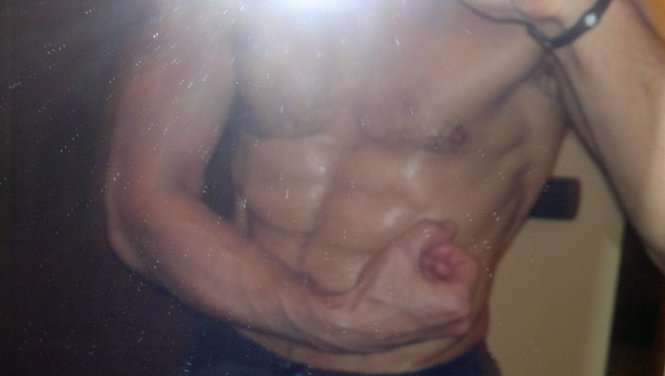
    Marzo 2011 – I miei addominali a 49 anni. Al 9 % di massa grassa

    Ciao a tutti,

    oggi voglio raccontarvi la mia esperienza con il libro che promuovo su questo sito:(BFFM) – Burn The Fat Body Tansformation System”  (Letteralmente, “Brucia il Grasso e Nutri/Alimenta il Muscolo”). Fino ad oggi ne ho sempre parlato solamente agli amici e conoscenti, anche perchè non avevo ancora aperto questo blog ed inoltre per molti la lingua Inglese era ed è un freno all’apprendimento e quindi vedendomi preparato e convinto, grazie anche ai risultati raggiunti che potevano toccare con mano, chiedevano magari una e-mail riassuntiva per poter ottenere il fisico che avevano sempre sognato. Naturalmente spiegavo che l’e-mail era solamente un punto di partenza, tanto per “ingranare”, ma dopo sarebbero  stati necessari i feedback e se c’era bisogno di aiuto o di un supporto, io sarei stato presente. D’altronde il mio sapere viene principalmente da questo libro, anche se ne ho letti altri e sono sempre stato interessato alla scienza dell’alimentazione e  di riflesso alla forma fisica e posso dire con assoluta certezza che per persone che non hanno gravi patologie mediche o disfunzioni gravi (per loro è sempre bene sentire prima il parere del medico), quello che viene spiegato da Tom Venuto nel suo libro è verità pura per il raggiungimento di uno stato psicofisico ottimale e della buona salute.

    Andiamo per gradi. Personalmente compio 50 anni fra un mese e sono atleta da sempre o almeno da quando ho cominciato ad andare a scuola,ho sempre amato lo sport che è stato il mio maestro di vita in quanto ad insegnamenti per disciplina e rigore, oltre ad avermi formato il carattere, ad essere più tenace e a raggiungere sempre gli obiettivi e non a caso il motto di questo sito è “Never Give Up! ( Mai arrendersi o Mai rinunciare).

    Purtroppo all’età di 32 anni nel pieno dell’attività e del vigore ho subito un incidente proprio mentre mi allenavo con i pesi e sono stato colpito da “Trombosi Venosa Profonda” alla vena succlavia e vena ascellare sinistra. Questo incidente è occorso a causa della mia conformazione scheletrica che ho scoperto più tardi essere la causa di tutto e in ambiente medico viene chiamata “Sindrome dello Stretto toracico” che sfocia poi in “Sindrome di Paget Schroetter“. Tutto questo l’ho appreso ultimamente grazie ad internet, ma nel 1994 quando ho avuto la prima trombosi mi avevano detto correttamente che era una trombosi da sforzo, ma non mi avevano spiegato bene le cause, e sono rimasto in prognosi riservata per 15 giorni attaccato ad una pompa ad infusione che mi iniettava in vena per 24 ore al giorno urochinasi o urokinasi nel tentativo di scogliere il trombo e ridare quindi pervietà alla vena occlusa. Ho rischiato la vita inizialmente per una eventuale embolia polmonare che fortunatamente non c’è stata. L’anno dopo nel 1995 ho avuto una recidiva perchè ingenuamente dopo le cure con gli anticoagulanti ero tornato ad allenarmi in palestra con pesi ridotti, ma non sapevo che la causa era invece la mobilità della zona sterno-clavicolare che ogni volta che alzavo le braccia per certi tipi d’esercizi le vene subivano una strozzatura causandomi appunto la formazione di trombi. Questa volta il mio braccio sinistro ne ha risentito maggiormente e anche le valvole d’entrata dello stesso braccio si sono danneggiate e sono diventato praticamente mezzo invalido nel braccio sinistro.

    Mi è stato consigliato (obbligato) di chiudere completamente con i pesi e di portare un bracciale compressore e di prendere forti dosi di warfarin sodico (6,25 mg/die) per tenere fluido il sangue e in effetti il braccio mi faceva molto male. Ho cercato rimedio presso un luminare in Svizzera che come mi ha visto ha capito immediatamente di cosa si trattava (anche se non nominò le patologie che ho descritto sopra, ma intendeva quelle e forse fui io a non capire) e mi propose un operazione di rimozione della prima costola sinistra sfilata dall’ascella,in modo da creare spazio ed evitarmi così una terza trombosi e la perdita dell’uso dell’arto. Gli Italiani invece volevano tagliarmi i muscoli scaleni così da far scendere i pettorali e creare spazio ed evitare strozzature delle vene interessate. Due metodologie completamente diverse, ma finalizzate entrambe a creare spazio per le vene. Naturalmente non ho accettato nessuna delle due proposte e anche se sapevo che rischiavo, mi era stato detto in Svizzera di stare attento e di non sollevare le braccia (proprio quando stavo iniziando a giocare a golf), ma che col tempo le vene periferiche avrebbero creato una circolazione collaterale e avrei avuto una vita normale,ma niente pesi nè sforzi e anche il golf  era meglio non praticarlo e assolutamente cercare di evitare comportamenti a rischio, per evitare un’altra trombosi.

    Ho preso anticoagulanti per due anni e mezzo e sapendo cosa potevo e non potevo fare ho gradualmente ripreso le mie attività, ma niente più pesi,nuoto,windsurf (era stata la mia vita fino ai 24 anni e poi ancora per diletto fino al 1994),etc. Arriviamo al 2001, vengo a conoscenza della dieta “Zona“- “The Zone” (Dr.Barry Sears) conosciuta anche come la dieta 40-30-30 (40% carboidrati – 30%proteine – 30% grassi), leggo parecchi libri sull’argomento e la inizio subito. Grandi risultati e benessere e diventai quindi il paladino della zona, ma devo ammettere che pur essendo in buona salute ogni tanto la fame si faceva sentire e dimagrivo come al solito troppo sul viso facendomi diventare troppo scheletrico, tipo uomo di Neanderthal.

    Fatta la lunga premessa, veniamo ai giorni nostri, quello che ho scritto sopra era necessario per comprendere che nonostante i trascorsi e il non potermi allenare completamente come avrei voluto, la malattia non mi ha frenato nella volontà e nel raggiungimento dei risultati odierni. C’è un’altra breve parentesi da aprire, parte della causa della mia conformazione scheletrica nasce dai denti, fino al 2008 ero una terza classe scheletrica, (morso inverso) e avrei dovuto risolvere la patologia chirurgicamente, visto che venivo considerato un caso grave e invece ho risolto la cosa grazie ad eventi ed incontri fortuiti  con la sola cura ortodontica (apparecchio Damon system), ma non spiegherò in questa sede i dettagli perchè andremmo fuori tema ed è lungo e complesso, ma scriverò un articolo a parte nel prossimo futuro (Clicca qui per l’articolo). Ecco spiegato perchè ho avuto gli incidenti di cui sopra e il perchè della faccia da uomo di Neanderthal ogni volta che dimagrivo troppo.

    Le mie credenze (sbagliate), sono sempre state che per dimagrire bisognava non mangiare o fare diete drastiche e con la forza di volontà che avevo le ho portate avanti con non pochi sacrifici e risultati temporanei. Mangiavo poco e mi allenavo molto ai tempi della trombosi e dopo mi allenavo sicuramente meno, ma non mangiavo mai abbastanza. I pasti erano tre o quattro e le quantità e la composizione dei macronutrienti insufficienti o sbilanciati. Inoltre il fattore età era d’aiuto, perchè allenandomi il metabolismo non rallentava e i risultati venivano più facilmente, mi vedevo magro e mi accettavo, ma sicuramente facevo un passo avanti e due indietro e andando avanti con l’età le cose sono cominciate a cambiare, sia per la composizione di massa grassa corporea che nell’elasticità della pelle. Naturalmente per uno che è già parecchio sovrappeso e ha sempre fatto vita sedentaria, il problema si accentua.  Sappiate che per gli uomini è necessario mangiare almeno cinque pasti nella giornata, ma l’optimum è sei e per una donna i pasti ottimali sono cinque. Non sapevo che meno mangiavo e più rallentavo il metabolismo invocando lo “starvation” e non fornendo le proteine al mio organismo ogni tre ore, quand’anche dimagrivo perdevo maggiormente massa magra(muscolo), perchè a differenza dei carboidrati, le proteine non vengono sintetizzate dal nostro organismo (ci sono nove amminoacidi essenziali che devono essere necessariamente apportati tramite l’alimentazione/dieta) e pertanto se noi non forniamo le giuste proteine al nostro corpo, il muscolo/massa magra verrà “cannibalizzato” per fornire gli amminoacidi essenziali. Inoltre rallentando il metabolismo, rallentava anche il dimagrimento e facendo continuamente diete dal regime troppo ipocalorico, raggiungevo il famoso “plateau” o stallo. Il nostro organismo si adatta alla situazione. Per quanto m’impegnassi a dimagrire, non vedevo i risultati o per lo meno non ottenevo i risultati all’altezza del sacrificio e dell’ impegno profuso.  Con “La Zona” avevo fatto grossi passi avanti e il mio regime alimentare era comunque migliorato molto (tenete presente che anche oggi alla base ci sono gli insegnamenti della dieta zona, ma mangio molto di più e distribuisco diversamente i macronutrienti nell’arco della giornata e i pasti sono sempre minimo cinque), solo che non riuscivo a mantenerlo con regolarità per periodi superiori ai tre/quattro mesi senza “sgarrare”, oltre ad avere una faccia smagrita e l’umore che non era sempre buono. Certo ero contento di avere gli addominali in evidenza (a dire il vero forse sono più in evidenza oggi e ho anche dieci anni in più), ma mancava la prima regola che oggi è saldamente impressa nel mio cervello :” Non bisogna perdere peso o dimagrire solamente, bisogna perdere grasso e semmai cercare di aumentare di peso aumentando la massa magra“. Più massa magra avremo e maggiore sarà il consumo di calorie anche senza fare assolutamente niente durante il giorno, il metabolismo accelera e si crea il processo chiamato termogenesi. Sono due cose ben diverse il perdere peso o il perdere grasso.

    Ho comprato Burn The Fat Feed The Muscle ora Burn The Fat Body Transformation System nel 2005, ma pur leggendolo sporadicamente non ci ho mai creduto e ad essere sincero, così come sarà per voi, quando si aprì la pagina del sito con la foto di Tom Venuto tutto “tirato” e le affermazioni che venivano fatte ho esclamato:” …Eccoci qui, un altro sito americano tipo la dieta di Verdone “7Kg. in 7 giorni” e tanto fumo negli occhi….” con quelle foto del prima e dopo tipo le telepromozioni di Mediaset e AB-flex. Comunque non chiedetemi perchè, ma mi sono convinto ad investire il denaro e a comprare il libro con tutti i bonus allegati. Ripeto, li ho letti, ma mi sembravano affermazioni un po’ troppo presuntuose o troppo legate al mondo del body building e io per quello che mi era accaduto e ho raccontato sopra, non avrei potuto seguire e visti i problemi che avevo nella vita privata non mi sentivo disposto ad affrontare quei sacrifici e oramai mi ero rassegnato ad accettare il trascorrere del tempo. Tutto sommato ero sempre magro, le misure dei vestiti erano quelle di 15 anni prima, certo il fisico non c’era più,ma mi dicevo che è così per tutti e dovevo accettarlo altrimenti mi sarei ridotto come quei “poveretti” troppo fissati per i soli muscoli che intravvedevo come uno stereotipo.  E continuavo a leggerlo e a dire che quel libro era la Bibbia sul come “bruciare” il grasso, ma non partivo mai e prendevo tempo. Peccato, erano solo fantasie tutte presenti nella mia testa e ho perso cinque anni di tempo.

    ABS Piero 2013_red
    ABS Piero Sept. 2013- 51 anni e 9 mesi
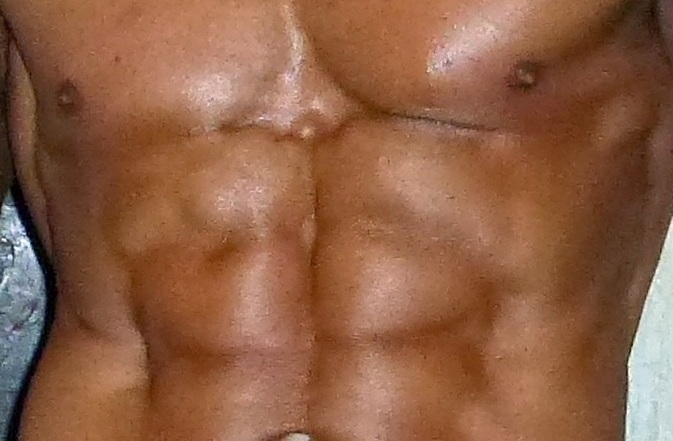
    I miei addominali al 4,9% B.F.

    Maggio 2010, muore mia madre e sul lavoro un accanimento senza motivo (che perdurava da 10 anni peraltro), che mi distruggeva psicologicamente e altri fatti privati che sicuramente non mi aiutavano a partire serenamente, ma  grazie ai consigli di Tom Venuto e alla messa in pratica degli insegnamenti contenuti nel suo libro, raggiunsi in meno di 100 giorni uno stato di forma che forse non avevo nemmeno quando ero al mio top e di anni ne avevo 32 e cioè poco prima della trombosi al braccio sinistro. Naturalmente da allora ho continuato ad applicare gli insegnamenti imparati e come previsto una volta ingranato il sistema nel mio subconscio è diventato uno stile di vita. Oramai sono due anni  e mezzo che mi alimento secondo i principi di BurnTheFat  con risultati eccezionali e nessun rimpianto oltre che nessuno sforzo a seguirlo o la credenza di dover rinunciare a qualcosa. A differenza delle comuni diete questo è uno stile di vita e lo scopo è mangiare di più e consumare di più piuttosto che mangiare poco e invocare lo “starvation” (morire di fame… stato di fame estrema, risultante dalla mancanza di macronutrienti essenziali per un lungo periodo di tempo…). Ogni tanto mi dico “peccato non aver avuto queste informazioni 20 anni fa…” , ma oggi guardo il tempo in maniera diversa e quindi la cosa non mi pesa e vado avanti serenamente cercando semmai di condividere con altri la mia esperienza e far si che anche loro possano godere delle stesse informazioni….come ho scritto sopra, il primo impatto alla visione della pagina pubblicitaria è stata di riluttanza, ma credetemi tutto quello che nel libro viene raccontato corrisponde a verità e molte delle immagini del prima-dopo che vedete sono di persone che ho poi conosciuto all’interno del” Burn the fat inner circle” e all’interno di quel forum scoprirete un enorme e insostituibile fonte di informazioni e aiuto per il raggiungimento dei vostri obiettivi, sia da parte di persone pronte ad aiutarvi, sia in termini di materiale disponibile per il vostro “sapere”. Purtroppo l’unica condizione necessaria è la conoscenza della lingua Inglese perchè sia nel forum che per  gli articoli si usa solo la lingua Inglese.

    P1010081_cut_FB
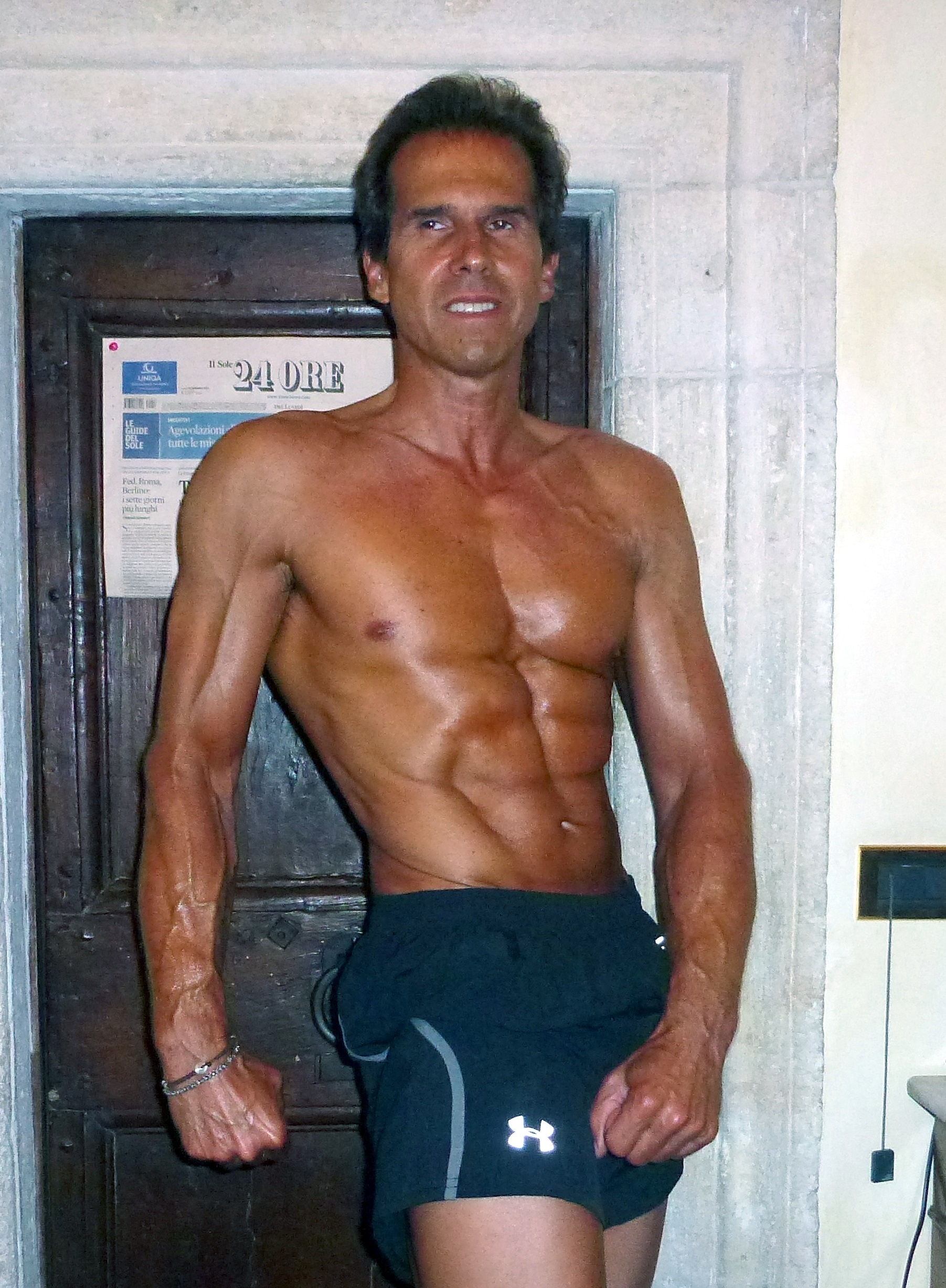
    Io a quasi 52 anni d’età al 4,94% di massa grassa. Settembre 2013

    All’interno del “Burn the fat inner circle troverete persone normalissime, non solo fanatici del bodybuilding, ma anche molti obesi o ex obesi che hanno radicalmente cambiato o stanno cambiando la loro vita e il loro fisico oltre che il loro stato di salute e di conseguenza il loro stato di benessere in generale. E troverete persone di tutte l’età, dal diciottenne al settantacinquenne. Tutte con il grande entusiasmo di riuscire e vi assicuro che non sarete lasciati soli,questo si traduce in una migliore motivazione e alla riuscita dei vostri propositi grazie al supporto di persone che desiderano aiutarvi. Anche in questo caso, il primo scettico sono stato io perchè mi sono iscritto al ” Burn the fat inner circle” a maggio 2010 quando erano almeno 4 anni che rimandavo.

    P1010061_cutBFFM
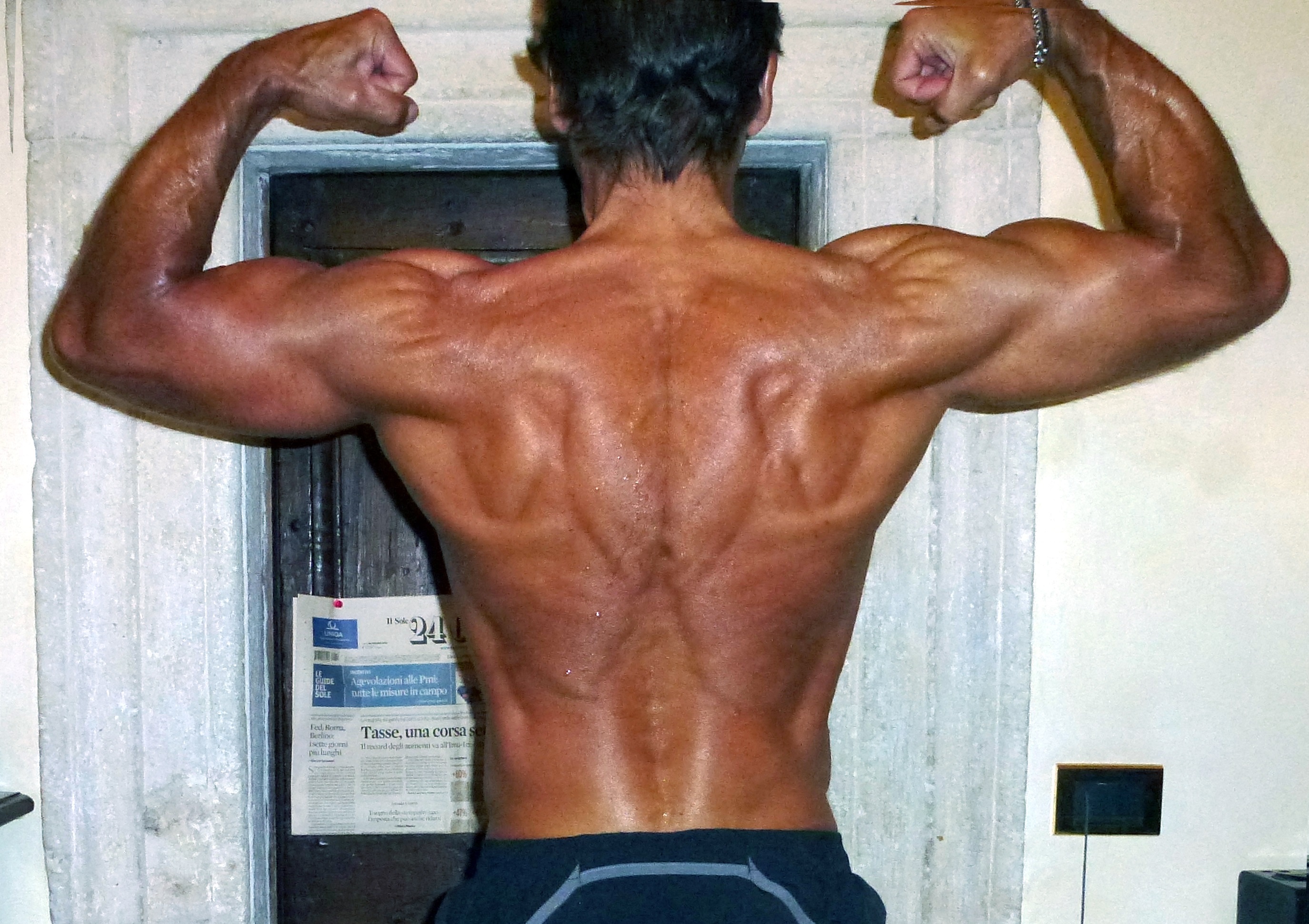
    Back View – Sempre io al 4,94 % B.F. Settembre 2013

    Non fate come me, io d’altronde non avevo nessuno che mi consigliava, non c’erano nemmeno altri italiani iscritti prima e quindi sono stato forse il pioniere e oggi appaio nella Hall of Fame di Burn The Fat Body Transormation System avendo completato per ben otto volte la Burn The Fat Summer Challenge,  ( 2010 – 2018 – Qui le mie esperienze nel 20122013 ) la sfida di 14 settimane o 98 giorni di trasformazione corporea. Con oltre 3.000 partecipanti provenienti da varie nazioni nel mondo, abbiamo terminato la sfida in poco più di 200 persone. Quest’anno (2013), sono entrato nei top 10 finalisti uomini  e nel 2012 sono stato premiato  come miglior definizione muscolare fra gli uomini oltre i 50 anni, (Most Ripped Man over 50. Cliccate qui per l’intervista sul sito in Inglese) all’interno della sfida per la migliore trasformazione fisica.

    Direi che vi ho raccontato tutto,adesso tocca a voi!

    Nota del 12/04/2020: Dopo oltre 15 anni è finalmente disponibile anche qui in Italia da qualche mese il libro di Tom Venuto “Burn the Fat Feed the Muscle”,  tradotto nella nostra lingua. Si trova su diversi siti on-line e anche su Amazon, per chi è interessato, metto il link di Amazon qui:  Brucia i grassi, Nutri i muscoli

    © Copyright Piero Maina – Tutti i diritti riservati

  • Un Corso in Miracoli – La mia esperienza

    Un Corso in Miracoli – La mia esperienza

    Un Corso in Miracoli

     Titolo: Un Corso in Miracoli – La mia esperienza

    Autore: Piero Maina

    Conteggio parole: 1373

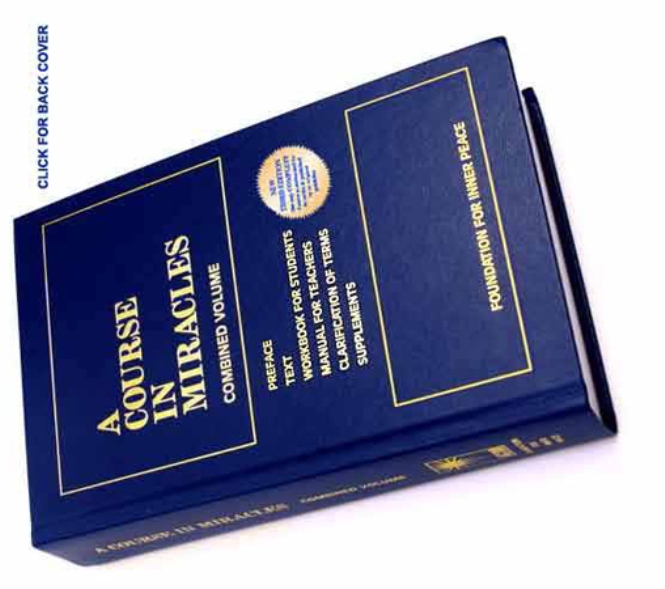
    Questo è  il racconto in poche righe della mia esperienza di conoscimento di “Un Corso in Miracoli”. Il Corso fa parte delle mie esperienze più importanti anche se l’ argomento può apparire insolito in un blog che parla maggiormente di golf e forma fisica. Ho però aperto volutamente una voce “UCIM” che è l’acronimo in lingua italiana di “Un Corso in Miracoli”, a sua volta tradotto dall’inglese che è la lingua originale in cui è pervenuto questo manoscritto, e che porta il titolo di “A Course in Miracles”. Il link al sito originale è questo: http://acim.org/

    Qui invece sempre il sito originale che segue gli insegnamenti di Kennet Wapnick http://www.facim.org/

    Non è mia intenzione spiegare in questo articolo com’è nato il corso perchè ho già pubblicato un’altra pagina in precedenza che lo spiega con annesso il link al sito italiano per gli approfondimenti. Inoltre, grazie a google si possono trovare diversi link che spiegano e che rispondono a molte delle domande che normalmente vengono poste. Qui voglio solo raccontare brevemente la mia esperienza e il perchè ho deciso di dare spazio a questo volume e a quello che lo riguarda.

    Come ho conosciuto il corso? Come tutte le cose “speciali” , il mio incontro con il corso è avvenuto in circostanze particolari. La storia inizia qualche mese prima del giorno in cui ne sono venuto a conoscenza; era l’estate 2009 e stavo attraversando un momento delicato, dovuto a molteplici accadimenti nella vita privata e lavorativa che mi avevano reso inquieto e da lì la mia ricerca verso “qualcosa” che mi trasmettesse più felicità e pace. Attraverso svariate letture a carattere scientifico e non e che spaziavano dalla fisica quantistica alla psicologia, al buddismo alla metafisica,alla new age e alla spiritualità,etc. Ho letto circa 30 volumi tra luglio 2009 e novembre dello stesso anno. Nonostante l’arricchimento che potevo aver ricevuto da quelle letture, il messsaggio che ne avevo ricavato non mi dava il senso di pace e di felicità che cercavo.

    Le letture del filone new age come “The Secret” o “The Law of Attraction” (La legge di attrazione) e altri libri ancora, mi facevano sembrare i loro messaggi ancora più carichi di egocentrismo,direi proprio dei veri prodotti dell’America del consumismo che secondo me, pur contenendo materiale e messaggi molto validi, così come venivano presentati, erano candidati per la delusione della maggior parte dei lettori (ho scritto la maggior parte e non tutti e comunque anche per molti che dopo l’entusiasmo iniziale avvertiranno un profondo senso di delusione…questo è il mio pensiero).

    Eppure quello che è scritto in quei volumi è vero, non sono solo d’accordo per il modo in cui quei concetti vengono presentati.

    Arriviamo a settembre 2009,quando uscendo da casa incontro un mio vicino che passeggiava con il suo cane e mi fermo a parlare con lui. Di origini americane, arriviamo a parlare delle mie letture che erano state anche le sue da molto tempo prima e alla mia obiezione su come venivano presentati quei temi,la sua risposta fu:”…cerchi la verità?! Allora leggi “A Course in Miracles”, (Un Corso in Miracoli)…là troverai le tue risposte…là troverai tutto” .

    Subito non avevo nemmeno memorizzato il titolo del libro, tant’è che gli ho mandato un sms più tardi per farmelo ricordare e il pomeriggio dello stesso giorno avevo già effettuato l’ordine via internet con inclusi altri libri in lingua italiana che ne spiegavano la genesi. Dopo due giorni il libro era nelle mie mani, ma non mi sentivo ancora pronto ad iniziare il “viaggio”, complici anche altri libri che avevo già iniziato e quindi dovevo terminare di leggere, continuavo a rimandare l’inizio della lettura del Corso. Ogni tanto lo aprivo, ne leggevo qualche stralcio e poi lo richiudevo con un po’ d’inquietudine e con il giudizio già espresso, quando uno dei principi fondamentali del Corso è proprio quello di non giudicare, ma di metterne in pratica gli insegnamenti. Anche se sentiremo una viva resistenza nel farlo, si viene invitati ad applicare gli insegnamenti attraverso gli esercizi senza giudizio,saranno poi i risultati a parlare.

    Comunque continuavo a leggere altri testi che intermezzavo con uno dei piccoli volumetti che avevo acquistato e che raccontavano di come era nato il Corso e tutti gli aneddoti che lo riguardavano, ma la mia resistenza a partire con la lettura e il Corso vero e proprio durò fino agli inizi di novembre 2009.

    Il libro per chi non lo conosce è composto da tre parti, il testo di 622 pagine,il libro degli esercizi per gli studenti di 478 pagine e il manuale per gli insegnanti di 88 pagine. L’ordine in cui gli studenti scelgono di usare il libro o il modo in cui lo studiano dipende dai loro bisogni e preferenze. Per alcuni sarà preferibile partire subito con gli esercizi, mentre per altri sarà meglio iniziare con la lettura del testo o addirittura mentre si procede con il testo, si inizierà contestualmente con gli esercizi. Ripeto che non c’è un termine o un metodo, l’unica regola sarà sugli esercizi che non dovranno essere svolti più di uno al giorno. Viceversa se uno studente desidererà soffermarsi su un esercizio per più tempo, andrà bene lo stesso,ma non più di un esercizio al giorno. Bisogna cercare di seguire quelle che sono le indicazioni del nostro insegnante interiore e applicare le lezioni e gli insegnamenti del Corso senza giudizio.

    Personalmente ho letto prima tutto il testo e ho poi fatto gli esercizi fino a novembre 2010 per poi continuare con il manuale per gli insegnanti. Ho terminato la lettura in tutti i suoi punti e anche gli esercizi. Lo studio è poi ripreso con la rilettura quotidiana del testo e credo continuerà per sempre,con ritmi che deciderò di volta in volta. Com’ è scritto nel libro stesso, il Corso, non è un punto di arrivo, ma bensì di partenza e quindi richiede pratica così come qualsiasi disciplina uno intraprenda e maggiore sarà la dedizione e maggiori saranno i risultati, visto che lo scopo sarà quello di trovare la pace interiore e la felicità attraverso l’addestramento dellla mente che deve essere completamente capovolta rispetto all’ attuale sistema di pensiero delirante dell’ego.

    All’inizio,almeno per me, c’è stata una vera e propria forma di attiva resistenza e di paura nel veder vacillare le mie credenze, le mie sicurezze, anche se ogni volta che la sensazione di paura/disagio cresceva, contestualmente qualche riga dopo il punto che aveva causato l’insorgere della sensazione di malessere, le parole di Gesù  sempre coerenti e perfette, mi infondevano nuovamente la calma necessaria a continuare. Certo all’inizio  per quanto mi sforzassi di non giudicare, facevo fatica ad afferrare e ad accettare concetti totalmente nuovi. Questo perchè l’ego stesso aveva alzato le sue barriere, utilizzando tutti i metodi di difesa del suo regno e il mio sistema di pensiero delirante allineato con lui, vedeva venire meno le sue certezze. A volte  ingenuamente avevo quasi timore ad addormentarmi, come se dovessi essere testimone di un mio eventuale non risveglio, poi così come adesso sono qui a scrivere, la sveglia era sempre puntuale e le insicurezze dei primi giorni si tramutavano sempre di più in certezze e calma interiore. E le cose che i primi mesi non comprendevo, (anche se la mia linea di pensiero era per certi versi già allineata a queste teorie ancor prima di iniziare a leggere il Corso, ma di fatto ci sono ancora molte cose difficili da comprendere) sono poi diventate via,via più chiare, avevo solo bisogno di conferme e adesso tutto scorre meglio. La piccola fiammella entrata dove prima c’era l’oscurità, comincia ad illuminare lievemente la stanza, ma il viaggio è ancora lungo.

    Posso solo dire che quando ho iniziato i primi esercizi sorridevo tra me e me per quello che veniva richiesto di fare (e non avrei dovuto giudicare), oggi comprendo meglio il significato di quegli esercizi e anche le parole del testo. Ho detto comprendo meglio,ma non comprendo tutto e non è richiesto, se così fosse non ci troveremmo qui anche se “realmente” non ci siamo neanche ora, ma per questi aspetti è meglio che iniziate il vostro viaggio attraverso la lettura e gli insegnamenti del Corso e le risposte le troverete là.

    Se qualcuno avesse delle domande o se già avviato al corso abbia voglia di confrontarsi sarò felice di rispondere ….buona lettura.

    © Copyright Piero Maina – All Rights Reserved

  • Q. & A.: How To Get Your Abs To “POP” Out

    Q. & A.: How To Get Your Abs To “POP” Out

    Title:How To Get Your Abs To “POP” Out: The Real Secrets To Exposing Your Six Pack

    URL: www.BurnTheFat.com!

    By: Tom Venuto
    words:2523


    Q: I’ve managed to get my body fat down to about 6.5%, according to my calipers. I’m starting to see the outline of my abs in certain lighting conditions, but they certainly don’t pop out like a washboard. I must also say that I’ve only been training them with a vengeance in the last 4 months. What I’m wondering is do I keep trying to lose more body fat to expose them, and will this level of body fat be sustainable, or do I increase my calories on the basis of increasing the muscle size of the abs to expose them?

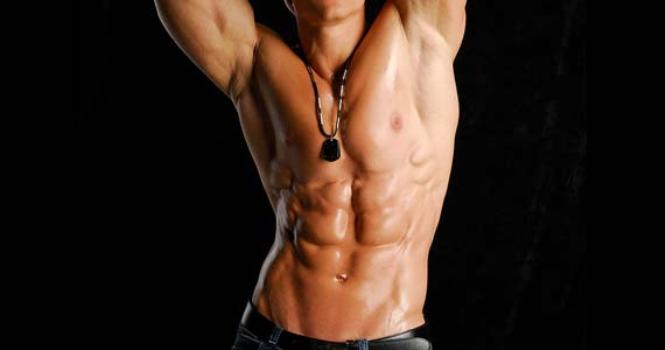
    A: EXPOSING YOUR ABS is a matter of getting very low body fat levels. The lower your body fat level, the “thinner” your skin will be (actually the “skinfold” which contains skin and subcutaneous fat), and the more your abdominal musculature will show through.
    DEVELOPING YOUR ABS – is a matter of training, and in that respect, the popular maxim “abs are made in the kitchen, not in the gym” is not entirely true. It’s only true that without the proper diet (“kitchen”), the ab exercises by themselves are useless because well-developed abs can remain covered up with a layer of fat and it’s possible to out-eat any amount of exercise.
    I’ve discovered that there are two personality types with regards to getting great abs…

    Personality A is the person with the mindset that, “as long as I get super lean, my abs will show,” so they blow off ab workouts or train them very minimally thinking they will have ab EXPOSURE and ab DEVELOPMENT just by being lean.

    Personality B (which includes a lot of women) is the type of person who cranks out a 30 minute or even a one HOUR ab class every day, but they’re not informed about the importance of low body fat – or they are, but they don’t put the effort into nutrition so they never get their body fat low enough.
    Here’s the true secret of exposing your abs and getting them to “pop out” more: It’s absolutely a combination of both – low body fat to EXPOSE aka UNCOVER them (reveal the muscle that’s already under there), and training to DEVELOP the ab muscles, aka build what is not there yet.

    Some people find abdominal development difficult. I’ve always found it easy – the removal of the fat was the harder part for me. It took me years before I figured it out. The good news is, after I learned how to get ripped just once, I owned it for life. It’s like riding a bicycle – you can always get back on and ride even if you haven’t ridden for years, once you know how.
    So which personality type are you? Are you toiling away like the girl in the class with an hour of abs a day (utterly unnecessary and a TOTAL waste of time) but you still can’t see enough abs because your skinfolds are too thick, or are you personality B – youre super strict on nutrition and you are very lean but you’re still frustrated with your abs because they don’t pop like you want them to… meanwhile, you blow off ab workouts or treat them as an afterthought… a few sets at the end of your real manly workout: chest and biceps!
    Or… are you personality C? That’s the person who takes nutrition (revealing the abs) and training (developing the abs) as equally important and can recognize which area needs the work. Personality C always gets the best results.

    The Value of Body Fat Percentage Vs. Skinfold Measurements
    Another suggestion I have is not to put so much stock in the body fat number by itself. That number is valuable for tracking your week to week fat loss progress, assuming you can measure consistently. The number itself is worth nothing but bragging rights if it’s low, because for one thing, man A can look RIPPED at 9% body fat while man B may not look ripped until 5-6% body fat.
    Furthermore, the body fat percentage measurement doesn’t tell you how thick your skinfold is. Some people are tracking overall body fat percentage, but not paying much attention to the individual skinfolds. It’s very possible for skinfolds on the extremities and even in the hip bone area (illiac crest skinfold site) to be quite low and to have body fat more concentrated in the abdominal area near the umbilicus.
    In trying to figure out if you need to get leaner and get “thinner skin” to reveal your abs more, you should not just look at bf% but also the actual skinfold thickness in the abdominal area.
    This means that skinfold testing is more useful than bodyfat testing methods like bioelectric impedance analysis when youre trying to gauge your progress in getting your abs to pop because you literally know the skinfold thickness covering the abs. Measure skinfolds as well as body fat percentage and you have more feedback to judge progress. What gets measured gets improved.
    For example, an illiac crest skinfold of 3.5 mm is ULTRA LEAN. That skinfold is not going to get much lower than 2.0 to 2.5 mm because that’s the approximate thickness of skin, without the fat. I dont recall seeing below 2 mm except on a scant few occasions when I had a digital SKYDEX caliper which can show readings like 1.9 mm or 1.7 mm.
    But also remember, that the illiac crest usually becomes the Lowest skinfold. Let’s stop kidding ourselves. Two areas on a guy retain more fat than the illiac crest: One is the circular area right around your belly button – just draw an imaginary circle around it and there is almost always a pocket of fat there EVEN when the illiac crest fat has “run dry” and even when the very lower lower ab region is starting to show veins.
    If you have veins running across your belly button area and your abdominal skinfold is 2.0 to 3.0 you are bloody ripped. The abdominal skinfold is usually at least a few millimeters higher than the iliac crest. Your abs are showing as much as they’re going to show – if you want them to look different, it’s all training at that point.
    The other “stubborn” area is the love handes and lower back. Reach around and pinch, not gingerly, but for real – grab the biggest hunk of skinfold you can around the side of your waist, toward your back. Tell me it isn’t WAY bigger than the illiac pinch? But guess what – that’s not an official skinfold site at all.
    If you want to be brutally honest with yourself on your level of leanness, find the largest skinfold and use that as your benchmark, not your smallest skinfold. Testing the abdominal skinfold and keeping an eye on the umbilicus area is most telling. It certainly is for me…
    I could (sometimes ashamedly) show you pictures ON STAGE – day of contest where I was ripped head to toe and looked great all over except that one little spot right around the belly button was retaining the last bit of fat even at sub 5%-6% body fat. I didn’t quite have that “shrink-wrapped,” “drum-tight” skin there yet.

    Abdominal Shape and Genetics: What Training Can and Cannot Change

    As for DEVELOPING the abs more – that’s achieved with training, and though I realize that some people say they have a tough time getting the abs to develop, I’ve always found abdominals easy to develop. Achieving the low body fat (the “revaling” abs) part was harder than the developing abs part for me and I think that’s true for a lot of people. Admittedly, this is partially related to genetics. Some people have “easy to develop muscles” (mesomorphs) and some have “hard to develop muscles” and that’s dictated by genetics on an individual level.
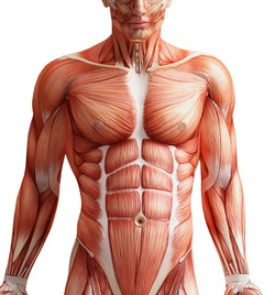
    But one thing you have to realize, is that whether you have the best or the worst genetic potential for muscle size, the structure of your abdominal musculature is entirely genetic. NOT EVERYONE HAS A PERFECT 6-PACK. The six pack is three rows of rectus abdominus separated by tendinous horizontal bands and one large tendinous band down the middle called the linea alba.

    Bodybuilder with a wide linea alba… no amount of training will fill in that gap – the muscle shape is genetically determined – but these abs sure POP don't they?

    Some guys have a wide and deep lina alba, to the point it looks like a gap. That’s not necessarily a bad thing, it’s just an individual’s genetically given muscle shape.

    Some people have only 2 visible rows of abs and below that where the 3rd row is usually located is only a flat sheet of tendinous tissue – no 3rd row. Others have 4 visible rows if you count the lowermost portion of the abs – an 8 pack. Some people consider having the 8-pack being the ultimate in “genetic freakiness.”

    Some people have even rows of abs horizontally, while others have the abs offset as in slightly “checkered.” Some people consider the even rows to be more aesthetically pleasing (though there have been plenty of Mr. America’s, Mr. Universes and Mr. Olympia’s who did NOT have even rows of abs).

    Ladies and gentlemenYOU CANNOT CHANGE ANY OF THIS! If you have a 4 pack, all you can do is develop the 4 pack you have. You can make that 4-pack “pop out” more, but you can’t build a 3rd row for a 6 pack where there is no muscle fiber to begin with. If you have a 6 pack with even rows, you are considered genetically gifted, at least in a muscle aesthetics sense. If you have a nice, even 8 pack, then we are probably going to call you a genetic freak, LOL!

    If you have a deep and wide linea alba you can’t change that either. Some people think that is not aesthetically pleasing, but on the other hand, it does manifest itself as a “deep cut” down the middle, so and even if some people dont like those aesthetics, the wide linea alba does makes your abs POP.

    Developing Abdominal Muscle Size

    Given that you understand the limitations of your genetics, the abdominal muscle fibers that you DO have can be developed like any other muscles – they can hypertrophy with direct training. The difference between the abs and other muscles is that the abs don’t grow OUT so much as a muscle with a large muscle “BELLY” because the abs are literally a long flat sheet, whereas a bicep is a muscle with a large belly and therefore will “plump out” and become more round and peaked (“popping out” literally), as it hypertrophies.

    Last but not least, can you develop your lower abs amd make them pop more, to the exclusion of your upper abs? NO they cannot be isolated completely. Can you put more emphasis on your lower abs than the upper abs with exercise choice? That is very likely, but that is also controversial. You have guys like Dr. Stuart McGill, one of the worlds TOP experts on spine biomechanics and if he speaks, many trainers receive his words as if they were the word of God. When highly regarded experts like McGill say you can’t train your lower abs (apart from upper abs), then that’s it, you can’t work them, say a large group of trainers.

    But not everyone agrees with that. Some trainers argue that there are different innervation points for different segments of the adbominals. Others point to EMG studies which show greater activation of the lower abdominals (the EMG studies may be controversial, but most experts DO agree that some “ab” exercises activate the obliques more than the abdominals, so it’s not like you can only work your abdominal region as if it were one giant region of muscle – different exercises DO have different effects.

    Most bodybuilders and many trainers believe that some exercises activate the lower abs more. Usually these are the exercises that bring the legs toward the upper body and or tilt the pelvis posteriorly. These include hanging knee ups, hanging leg raises and reverse crunches. Keeping in mind what I mentioned about 4 packs vs 6 packs and 8 packs, these exercises may help bring out the washboard appearance and make your abs pop more by putting more stress on that bottom row of abs.

    Adding weight to abdominal exercise may also help your abs pop, by increasing hypertrophy. The abs are a muscle that can often be trained very effectively just with body weight. The problem is, most people stick with bodyweight exercises exclusively, even when they can do more than 25 reps per set, sometimes even 50 or 100 reps. At that point, you’re training pure endurance and not hypertrophy. Yes, it’s absolutely a myth that endless high reps gives you better abs – you might be better off with lower reps and adding some weight.

    I know some girls who can do abs for an hour, it seems (I’ll never figure that one one… guys, unless youre related to Jack LaLanne, don’t try to keep up with those girls who teach ab classes, they will embarrass you, LOL… I bow to women’s ab endurance). But anyway, remember that muscle hypertrophy is achieved in the 8-12 rep range and even if abs are a slighly more higher rep responsive muscle, 15-20 with some weight ouught to do it.

    If it’s abdominal muscle development you want, there is simply NO reason whatsoever to do hundreds of reps of ab work. If your goal is endurance or personal satisfaction about your endurance and conditioning abilities, that’s one thing, otherwise doing hundreds of reps on abs with bodyweight is the wrong approach.

    Warning: Build Your Abs, But Don’t Build Your Obliques!

    I do have one final warning though, about weighted exercises: don’t train your obliques with heavy weight if you’re prone to easy muscle growth there. Exercises like weighted side bends can make your waist larger and blockier and throw off your symmetry.

    Pro bodybuilders who are naturally blocky and NOT born with the “Frank Zane tiny waist” and symmetry are not doomed – just look at Jay Cutler, Mr Olympia. However, Jay had to blow up his delotoids up to ridiculous size to compensate visually and be utterly paranoid about doing anything that would make his waist wider. The dual effect of larger wider shoulders and simulaneously shrinking waist size PLUS rectus abdominals development and low body fat is STUNNING!

    Conclusion

    So, I think I’ve made the case pretty clear that abs are made in the kitchen AND in the gym, not one or the other.

    If you’re a freak mesomorph, you might diet down and find that the abs are already there. I know people who never train their abs and they have amazing six packs. On that note, I know people who have freaky calves who never work them either. Chalk up both of those scenarios to genetics.

    For most of us in the normal range of the genetic bell curve however, it’s going to take strict diet and hard training to get ultimate abs develoment and see that washboard pop!

    Train hard AND eat right, gang!


    Tom Venuto, author of
    Burn The Fat Feed The Muscle
    www.BurnTheFat.com!

    Founder & CEO of
    Burn The Fat Inner Circle
    Burn the fat inner circle

    About the Author:

    Tom Venuto is the author of the #1 best seller, Burn the
    Fat, Feed the Muscle: Fat Burning Secrets of the World’s Best Bodybuilders and
    Fitness Models.
    Tom is a lifetime natural bodybuilder and fat loss expert
    who achieved an astonishing 3.7% body fat level without drugs or supplements.
    Discover how to increase your metabolism and burn stubborn body fat, find out
    which foods burn fat and which foods turn to fat, plus get a free fat loss
    report and mini course by visiting Tom’s site at: www.BurnTheFat.com!

  • Q & A: Should You Weigh Yourself Everyday or Throw Away…

    Q & A: Should You Weigh Yourself Everyday or Throw Away…

    Title:Should You Weigh Yourself Everyday or Throw Away Your Scale?
    By : Tom Venuto
    URL: www.BurnTheFat.com!
    Word count: 1363 words

    Have you ever had a weight loss expert tell you to “throw away your scale?”…
    or maybe you heard that too much focus on scale weight can turn you into an obsessive-compulsive (sound familiar?). Well… body composition is more important
    than body weight – you won’t get any argument from me about THAT. But… what if I told you that research supports a strong correlation between daily weigh-ins and
    long term weight loss success? Yes, I said DAILY weigh-ins. Do you think that’s crazy, or could this habit be something that might help you increase your fat loss success?
    This week’s Burn the Fat Blog Q & A column answers…

    QUESTION: Tom, I know your www.BurnTheFat.com! recommends weekly
    weight and body fat measurement, but what do you think about daily weigh-ins? What about using a moving average? The problem with daily readings is they may fluctuate based on a number of factors. You never know which is an “up” and which is a “down” reading. But I was thinking the same could be true weekly. You don’t know if your weekly weigh-in is actually a bit higher than your “true” weight or a bit lower. A moving average would smooth out those variances and give you a better idea of your “real” weight and the general trend of your improvement.Thoughts?

    ANSWER: It’s normal for your body weight to fluctuate, so it’s important to control and account for those variances when you weigh-in and chart your progress. Your weight fluctuates not only on a weekly and day to day basis,but even within the same day – sometimes by several pounds just from morning to night!

    Changes in weight can be based on numerous factors including hydration (loss or gain of water weight) and contents of your digestive system (how recent the last meal and bowel movements were). A moving average could definitely smooth out the variances.

    To get accurate weigh-ins, consistency is also a key. Always do your best to duplicate the weigh in conditions every time: Fed or fasted, clothed or not clothed, bladder empty or full, pre or post workout, morning or evening, high carb or low carb day, amount of fluids ingested, diuretic substances consumed,etc. If you control for all these factors, you’ll get more accurate weight and body composition data and also help smooth out the variances.

    As part of the www.BurnTheFat.com!Burn The Fat Feed The Muscle program, I recommend taking a body fat measurement only once a week (once every two weeks would probably suffice, but I prefer getting weekly feedback). I also recommend weighing yourself “officially” once a week, on the
    same scale, under the same conditions. But I also believe daily weighing can be helpful as long as you’re controlling the variables and you don’t obsess over daily fluctuations (instead, using the multiple data points to track the trend over time).

    If you weigh yourself daily, you can log your weight into a spreadsheet and then convert your progress into a graph with the date on the horizontal axis and weight on the vertical axis. The key is to look for the trend over time. Body fat (and weight) should be heading down in a long term trend and lean body mass should be staying relatively stable. You could also add a column for 7-day moving average if you choose, which smooths out the fluctuations or “noise.” (okay, okay, so only the analytical, number-crunching “geeks” will go that far…but then again, we have quite a few of them in our Burn The Fat ranks… and someof them are pretty darn LEAN!)

    Another benefit of tracking your measurements frequently is that you can compare your weight and body composition results to your training and nutrition for the same time period to look for correlations between methods and results and hopefully learn what methods work the best for you.

    Many weight loss experts say you should “throw away your scales” and that it’s a bad idea to weigh yourself daily or even to weigh yourself at all. I disagree and there’s a LOT of research showing that self monitoring behaviors such as tracking food intake, exercise, body weight and body composition helps to increase compliance and improve weight loss and
    maintenance.

    It’s common sense for weight management, but also well accepted wisdom in teaching, coaching and business management — that you can only expect what you inspect – and what gets measured and tracked gets improved. When measurements are reported to an authority figure, and you are “graded” and held accountable for what gets measured and tracked, results usually improve even more.

    Although weight gain can sometimes happen quickly when there are sudden changes in environment, body weight and body fat usually tend to “creep” when left unchecked. Folks who don’t monitor weight or body composition seem to wake up one day and realize they “suddenly” got fat. Of course, what really happened is that tiny increases in fat and waist line went unchecked and therefore,
    unnoticed over a long time period.

    Successful weight reducers and maintainers have a common behavior pattern and that is they keep track of their weight. Weight monitoring could be daily or weekly, but either way, most people will get best results by checking it regularly. This way, if results are negative, you’ll be alerted and you can increase compliance and “buckle down” or change your strategy. Frequent (weekly
    or even daily) weighings provide a feedback tool which increases awareness,allowing for a quick course correction.

    By the way, people who have to wear well-tailored suits or tight fitting clothes have a feedback mechanism they can check themselves with every single day. Those who wear baggy clothes / elastic waist bands who also do not weigh themselves tend to succumb to the weight creep and not realize it. If you don’t have to dress up for work every day or if you wear loose, baggy clothing most of the time, its not a bad idea to have a pair of “lean jeans” that you try on regularly just to see how they’re fitting.

    Just to be fair and show both sides, the only potential criticisms /drawbacks to frequent weighing that remain include:

    (1) It might encourage obsessive behaviors (IF someone is psychologically susceptible), and

    (2) There may be only a small amount of measurable progress after one week,and no measurable change after just a day – both of which might lead some people to impatience and frustration if they don’t have a long term time perspective and/or they don’t understand how to use statistics.

    So, I admit, daily weighing may not be appropriate for everyone. In fact, I think it’s best practice to suggest measuring and recording body weight “at least once a week” and then leave it up to the individual to decide whether they want to weigh daily or not.

    Keep in mind, weigh ins are not an absolute necessity and the mere act of weighing yourself every day or every week doesn’t guarantee more weight loss.
    There are people who for various reasons, choose not to weigh themselves at all, who never go near a scale who successfully lose weight and maintain their ideal
    weight.

    However, regular weigh-ins have consistently been correlated with improved weight loss and some research says that daily weigh ins correlate even more highly with long term success than weekly weigh ins. Studies have also concluded that people who weighed themselves regularly improved weight maintenance and avoided weight regain/cycling as compared to people who didn’t weigh themselves at all.

    There’s one last thing I want to re-emphasize and that’s the importance of measuring and tracking body composition (fat vs. muscle) not just scale weight.

    Understanding body composition (not just body weight), and developing the patient-person’s lifestyle mindset are the final keys that really complete
    this self-monitoring advice and helps you avoid compulsive behaviors or obsessing over short term results. This is exactly the approach I outline in the Burn The Fat System, which teaches you how to leverage your daily and weekly feedback results to help you burn stubborn body fat and strengthen your metabolism over the long haul.

    Train hard and expect success!


    Tom Venuto, author of
    Burn The Fat Feed The Muscle
    www.BurnTheFat.com!

    Founder & CEO of
    Burn The Fat Inner Circle
    Burn the fat inner circle

    About the Author:

    Tom Venuto is the author of the #1 best seller, Burn the
    Fat, Feed the Muscle: Fat Burning Secrets of the World’s Best Bodybuilders and
    Fitness Models.
    Tom is a lifetime natural bodybuilder and fat loss expert
    who achieved an astonishing 3.7% body fat level without drugs or supplements.
    Discover how to increase your metabolism and burn stubborn body fat, find out
    which foods burn fat and which foods turn to fat, plus get a free fat loss
    report and mini course by visiting Tom’s site at: www.BurnTheFat.com!

  • Q & A : What’s the Required Bodyfat Percentage to See Your Abs?

    Q & A : What’s the Required Bodyfat Percentage to See Your Abs?

    By:Tom Venuto
    URL:www.BurnTheFat.com!
    Word count: 1238 words

    QUESTION: “Tom, I know what I want to look like and I follow your
    advice about visualization and seeing my abs the way I want them to look. But
    what I can’t figure out is what body fat % I should be aiming at to achieve that look? I am female, 35 yrs old and I’ve done awesome on your Burn the Fat, Feed the Muscle program. I started at 19% body fat and the lowest I’ve gotten so far was 11.8% body fat with a caliper test. I’ve been thinking about doing a figure competition, but even at that body fat percentage, which I know is very low, I still had some “patches” of fat. How do I know what body fat percentage I should target so that all the fat is gone?”

    ANSWER: Congrats! For most women, 11.8% is ripped, and for many women,
    that’s contest ready.

    Just for comparison, I’ve done over 7,000 body fat tests during my career,and the lowest I have ever measured on a female was 8.9% (4-site skinfold method).
    She was a national-level figure competitor and she was shredded – full six pack of abs… “onion skin!” However, I do know some women who get down to 11-13% body fat – by all
    standards extremely lean, complete with six pack abs – but oddly, they still had a few stubborn fat spots – usually the hips and lower body – so this would confirm your experience.

    I know a guy who looks absolutely chiseled in his abs at 11% body fat, but other guys don’t look really cut in the abs until they get down to 6-8% body fat.
    That’s the trouble with trying to pin down one specific body fat number as THE body fat level for seeing 6-pack abs (or being contest or photo-shoot ready).
    Everyone distributes their body fat differently and two people may look different at the same percentage.

    Here’s what I’d recommend:

    Get familiar with some benchmarks for body fat levels.
    My www.BurnTheFat.com!
    has a body fat rating scale, which includes averages and my suggested optimal body fat percentages.
    This is my own chart, which I created with a combination of research
    literature and my own personal experience.

    :: Burn The Fat, Feed the Muscle Body Fat Rating Scale ::
    WOMEN:
    Competition Shape (“ripped”): 8-12%
    Very Lean (excellent): < 15%
    Lean (good): 16-20%
    Satisfactory (fair): 21-25%
    Improvement needed (poor): 26-30%
    Major improvement needed (very poor):
    31-40+%
    MEN:
    Competition Shape (“ripped”): 3-6%
    Very Lean (excellent):< 9%
    Lean (good): 10-14%
    Satisfactory (fair): 15-19%
    Improvement
    needed (poor): 20-25%
    Major improvement needed (very poor): 26-30+%

    Just a quick note: You’re not destined to get fatter as you get older, but in the general population (non fitness and bodybuilding folks), the average older person has more body fat.

    What I did to accomodate this is to include a range instead of one number, so younger people can use the low end of the range and older people can use the higher number.
    Also, just so the average reader can keep things in perspective, single digit body fat for women and low single digits for men is far beyond lean – it’s
    RIPPED – and that’s usually solely the domain of competitive physique athletes. Competition body fat levels were not meant to be maintained all year round.
    It’s not realistic and it may may not be healthy, particularly for women.
    The average guy or gal should probably aim for the “lean” category as a realistic year round goal, or if you’re really ambitious and dedicated, the “very lean category.”
    You’ll probably have to hit the “very lean” category for six pack abs.However, the bottom line is that there’s no “perfect” body fat percentage where you’re assured of seeing your abs.
    Besides, body fat is one of those numbers that gets fudged and exaggerated all the time. I hear reports of women with body fat between 4 and 8% and I usually dismiss it as error in measurement (or there’s some “assistance” involved). Body fat testing, especially with skinfolds, is not an exact science.
    All body fat tests are estimations and there is always room for human error.
    The low numbers are nice for bragging rights, but the judges don’t measure your body fat on stage. What counts is how you look and whether you’re happy with that (or whether the judges are happy with it, if you’re competing).You can use my chart to help you set some initial goals, but for the most part, I recommend using body fat testing as a way of charting your progress over time to see if you’re improving rather than pursuing some holy grail number.
    One final note: there are always a few people out there who take exception to my body fat rating scale. More often it’s females than males. More often older than younger. And more often non athletes than athletes. Usually it’s because they have a body fat of 26% or 27% or thereabouts, they are perfectly healthy and they are not significantly overweight. They argue that a body fat of 26% or so should not be rated as “poor” and that the standards on my chart are too high.
    Having been influenced by the bodybuilding and physique world my entire life,I do have high standards, and my chart is admittedly skewed slightly toward an athletic population. However, for a young girl, 26% body fat and for a 40 or 50-something woman, 30% body fat, does in fact, leave plenty of room for improvement which is exactly what the chart says.

    I’d like to encourage all my readers to consider setting higher standards and loftier goals. Not everyone wants or needs to be “ripped.” But in my opinion,many people set goals too low and settle for what they think they can get, not what they really want. With that said, please use my chart only as a guideline and not as gospel. Ultimately, it’s up to you to set your own goals and standards. if 6-pack abs are your goal, I think this info should give you a better idea of what it will take.
    In my Burn The fat, Feed The Muscle system, you can learn more about how to measure your body fat – professionally or even by yourself in the privacy of your own home.
    Burn The Fat, Feed The Muscle explains why body mass index and height and weight charts are virtually worthless, and shows you how to track your body composition over time and “tweak” your nutrition and training according to your weekly results.
    Get more details at: www.BurnTheFat.com!

    Train hard and expect success!

    Tom Venuto, author of
    Burn The Fat Feed The Musclewww.BurnTheFat.com!

    About the Author:

    Tom Venuto is the author of the #1 best seller, Burn the
    Fat, Feed the Muscle: Fat Burning Secrets of the World’s Best Bodybuilders and
    Fitness Models.
    Tom is a lifetime natural bodybuilder and fat loss expert
    who achieved an astonishing 3.7% body fat level without drugs or supplements.
    Discover how to increase your metabolism and burn stubborn body fat, find out
    which foods burn fat and which foods turn to fat, plus get a free fat loss
    report and mini course by visiting Tom’s site at: www.BurnTheFat.com!

  • Q & A : Fat Loss Per Week: Average vs High Achievers

    Q & A : Fat Loss Per Week: Average vs High Achievers

    By: Tom Venuto

    URL:www.BurnTheFat.com!

    Word count:669 words

    QUESTION: Dear Tom: I know it will probably be different for everyone, but I find it hard to set weekly goals for body fat
    percentage because I don’t know what an average body fat percentage drop in a week is supposed to look like. I’m a 30 year old female. Any input?

    ANSWER: I recommend setting a fat reduction goal of about half a percent per week (0.5%). Based on many years of testing clients in person with
    skinfold calipers, I’ve concluded that this is about average.

    This is an
    honest number that reflects not just the outliers in the top success stories,but an average of everyone. That’s what makes this figure a good realistic
    weekly goal [To see some of the more exceptional transformations
    visit: www.BurnTheFat.com!
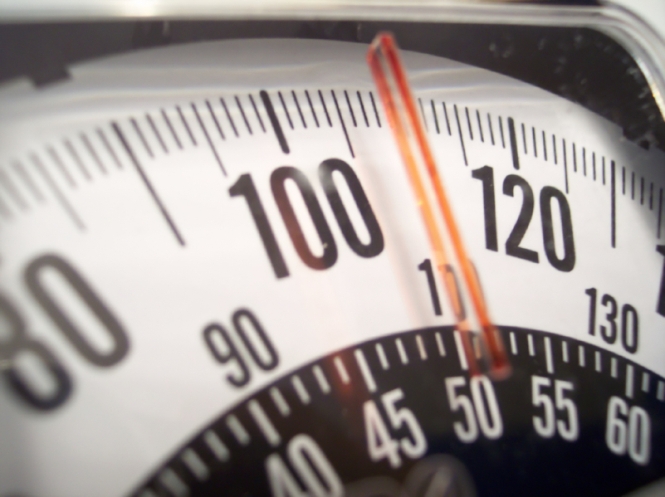
    Chris,
    for example dropped 9% body fat in 7 weeks. That’s not typical, but its possible
    in a highly motivating environment like our Burn the Fat body transformation
    contests]

    To calculate realistic, average weekly fat loss:

    If your body fat measured 24.6 percent on day one of week one, then 24.1 percent would be your goal for the end of that seven-day period. That will be an impressive 6%
    drop in your body fat if you keep that up over 12 weeks.If you’re more ambitious and you want to shed body fat even faster, it’s certainly possible,although it does
    depend on body size. Larger people can often lose larger amounts of weight and body fat.
    When someone is already lean and wants to get even leaner, there is less fat remaining so it becomes more difficult to lose large amounts every week.
    I’ve seen many people drop 0.6 percent or 0.7 percent body fat per week if they worked hard, usually doing multiple cardio sessions per week on top of their weight training, combined with excellent dietary compliance.
    I’ve even seen people shed 0.8 to 1.0 percent body fat per week, but more often than not, those were temporary spikes in progress,reflecting one exceptionally good week, or in conjunction with a highly motivating event, like one of our burn the fat challenge contests (where the reward of a luxury trip to Maui is dangling in front of you).
    If you lose less than a half a percent per week, as long as you made some forward progress,you should celebrate that as success.
    It’s more normal for results to vary from one week to the next than to drop the same amount every week, so an occasional slow week is nothing to get upset about. It’s just feedback.
    After a below average week, to bring the rate of fat loss up to
    average or better for the next week, you’ll need to:
    (a) re-establish
    compliance if you had a bad week (get back on the wagon! and start tracking food
    intake more meticulously if necessary) or
    (b) make adjustments to your
    nutrition and training to increase your caloric deficit and optimize body
    composition changes.
    Last but not least, if you want to be one of those
    “not typical” people, then remember this:
    * Above average results require
    above average effort.
    * Extraordinary results require extraordinary
    effort.
    Everything in this article is explained in even further detail in my fat loss
    program, Burn the Fat, Feed the Muscle at: http://www.BurnTheFat.com

    Train hard and expect success!

    Tom Venuto, author of
    Burn The Fat Feed The Musclewww.Burn The Fat.com

    About the Author:

    Tom Venuto is the author of the #1 best seller, Burn the
    Fat, Feed the Muscle: Fat Burning Secrets of the World’s Best Bodybuilders and
    Fitness Models.
    Tom is a lifetime natural bodybuilder and fat loss expert
    who achieved an astonishing 3.7% body fat level without drugs or supplements.
    Discover how to increase your metabolism and burn stubborn body fat, find out
    which foods burn fat and which foods turn to fat, plus get a free fat loss
    report and mini course by visiting Tom’s site at:

    www.BurnTheFat.com!

  • Bulge e Roll

    Bulge e Roll

    Titolo: Bulge e Roll

    Autore: Piero Maina

    Conteggio Parole: 601

    Bulge e Roll

    Bulge e roll

     Chi pensa che la faccia dei legni sia perfettamente piatta si sbaglia: a differenza della faccia dei ferri, quella dei legni presenta due “curvature”, una orizzontale definita “bulge” e una verticale definita “roll”.

     Il bulge

    Il bulge è per definizione il raggio orizzontale che troviamo sulla faccia di tutti i legni e qualche ibrido e si misura di solito con dei goniometri che seguendo la regola nel golf di usare misurazioni in scala americana e quindi in pollici, forniranno pollici di raggio (1 inch= 2,54 cm.).
    Scrivevo sopra che il bulge si trova su tutti i legni e qualche ibrido, mentre non è presente sulla faccia dei ferri. Questo per due motivi, il primo è che non si avrebbero benefici della sua presenza per il fatto che il centro di gravità della testa si trova troppo vicino alla faccia del ferro e perché mediamente il maggior grado di loft presente sui ferri, generà meno effetti di slice o hook nei colpi presi fuori centro rispetto ai legni e in secondo luogo perché le regole del golf non permettono l’uso di curvature sulle facce dei ferri, ma devono essere piatte.
    Ma come agisce realmente il bulge? Innanzitutto va detto che se colpissimo la palla sempre al centro, il bulge non sarebbe necessario, ma visto che anche ai professionisti capita di colpire la pallina fuori centro con conseguenti rotazioni della testa sul proprio centro di gravità sia verso destra che a sinistra, senza l’aiuto del bulge attraverso l’”effetto ingranaggio”, le nostre palline sarebbero sempre più spesso in rough o nel bosco con maggior profondità. Dobbiamo immaginare come se la faccia del bastone e la pallina fossero due ruote dentate come un ingranaggio (vedi foto). Se il nostro golfista facendo un colpo con il drive colpirà la palla verso la punta,la faccia del bastone tenderà a ruotare indietro come risultato della forza applicata. Per effetto della dentatura delle due ruote,la dentatura della faccia metterà in moto la dentatura della palla con un effetto antiorario e quindi rimanderà la palla che altrimenti sarebbe andata verso destra,verso sinistra con appunto un effetto “hook” (gancio).Di converso, succederà esattamente l’opposto quando il colpo fuori centro sarà stato preso verso il tacco, la palla partirà verso sinistra (per un giocatore destro),ma per “l’effetto ingranaggio” volerà verso destra grazie all’effetto impartito dalle due ruote dentate.
    Chiaramente il bulge e il suo “effetto ingranaggio” servono ad aiutare la palla a rimanere più in fairway,ma niente si può fare quando gli effetti impartiti alla palla, derivano da swing tecnicamente non proprio validi e in questo caso gli effetti del bulge verranno annullati da forze maggiori.

     Il roll

    Il roll, abbiamo appreso, è la curvatura verticale della faccia del bastone. A differenza del bulge, che ci aiuta a rimettere la palla verso il centro quando non colpiamo lo sweet spot, il roll non ha nessun vantaggio, se non quello di aumentare o ridurre il loft a seconda se colpiremo la palla sopra o sotto l’equatore, dove il loft viene misurato nei legni. In passato quando le teste erano molto piccole l’effetto del roll era minimizzato e forse, si racconta, sia stato messo sperimentando come già fatto per il cugino bulge e sia poi rimasto. La tendenza è e sarà quella di avere facce che verticalmente non presenteranno curvature, al fine di avere un angolo di loft omogeneo su tutta la faccia perché comunque lo si guardi il roll non serve a nulla ciononostante si continua a vedere sulle moderne facce dei drive in commercio

    © Copyright  Piero Maina– Tutti i diritti riservati

  • How Liquid Calories May Be Making You Fat…!

    How Liquid Calories May Be Making You Fat…!

    Title:How Liquid Calories May Be Making You Fat..Even Your Favorite Protein Drinks!

    By :Tom Venuto, NSCA-CPT, CSCS
    www.BurnTheFat.com!
    Word count: 994 words

    At least 7 scientific studies have provided strong evidence that energy containing beverages (i.e., “liquid calories”) do not properly activate the satiety mechanisms in the body and brain and do not satisfy the appetite as well as food in solid form.

    Epidemiological research also supports a positive association between calorie-containing beverage consumption and increased body weight or body mass index. New research now suggests that soda may not be the only culprit…
    The primary source of liquid calories in the United States Diet is carbohydrate, namely soda. Now running a close second are specialty and dessert coffees. Did you know that a 16 ounce Frappucino can contain 500 calories or even more! That’s one-third of a typical female’s daily calorie intake while on a fat loss program.
    A recent study at Purdue University published in the International Journal of Obesity set out to learn even more about this bodyfat – liquid calories relationship.
    Researchers compared solid and beverage forms of foods composed primarily of carbohydrate, fat or protein in order to document the independent effect of food form in foods with different dominant macronutrient sources.
    Based on previous research, some experts have recommended targeting specific beverages as being “worse” than others. High fructose corn syrup and soda has been singled out the most and you’ve probably seen that yourself in the news.
    There’s no question that soda has been on top of the “hit list” for some time now, by virtue of the amounts and frequency of consumption alone.
    However, this recent study says that from a pure energy balance perspective, we should be cautious about ALL liquid calories, not just soda and not just carbohydrates!
    Fruit juice for example, appears to be an obvious improvement over soda, so many people have swapped out their soda for fruit juice. However, when fruit juice is compared to an equal amount of calories from whole fruit, the whole fruit satisfies appetite better (largely due to the bulk and fiber content), and so you tend to eat fewer calories for the day.
    [On an interesting side note, soup does not seem to apply; soup has higher satiety value than calorie containing beverages, possibly for mere cognitive reasons.]
    If you were to meticulously track your calories from beverages and you made sure that your calories remained the same for the day, whether liquid or solid, there would probably be little or no difference in your body composition.
    But that’s not what usually happens in free-living humans. Most people do not accurately track or report their caloric intake. Our mistake is that we tend to drink calories IN ADDITION TO our usual food intake, not instead of it.
    Men are especially guilty of this when they drink alcohol – Men tend to drink AND eat, while women tend to drink INSTEAD OF eating.
    This new research found that with all three macronutrients – protein, carbs or fat – daily calorie intake was significantly greater when the beverage form was consumed as compared to the solid.
    Yes, it’s true! Even protein drinks did not satisfy the appetite the way that protein foods did!
    While you would think that protein drinks are purely a good thing, because protein foods have been proven to reduce appetite and increase satiety, if you turn a solid protein food into a protein drink, it loses it’s appetite suppressive properties in the same way that happens when you turn fruit into fruit juice.

    [NOTE: After weight training workouts, liquid nutrition may have benefits that outweigh any downside, especially on muscle-gaining programs]

    Why do liquid calories fail to elicit the same response as whole foods? reasons include:

    high calorie density lower satiety value more calories ingested in short period of time lower demand for oral processing shorter gastrointestinal transit times energy in beverages has greater bioaccessibility and bioavailability mechanisms may include cognitive, orosensory, digestive, metabolic, endocrine and neural influences (human appetite is a complex thing!!!)
    last but not least, nowhere in our history have our ancestors had access to large amounts of liquid calories. Alcohol may have been around as far back as several thousand years BC, but even that is a blip on the evolutionary calendar of humanity.
    As a result, our genetic code has never developed the physiological mechanisms to properly register the caloric content in liquids the way it does when you eat, chew and swallow whole foods.

    Bottom line: This study suggests that we shouldn’t just target one type of liquid calories such as soda. If you’re trying to beat body fat, it’s wise to limit all types of liquid calories and eat whole foods as much as possible.
    Start by ditching the soda. Then ditch the high calorie dessert coffees. Then cut back on the alcohol. From there, be cautious even about milk, juice and protein drinks.
    Drink water or tea instead, or limited amounts of black coffee – without all the high calorie extras.
    If you do consume any beverages that contain calories, such as protein shakes, be sure to account for those calories meticulously and be sure you don’t drink them in addition to your usual food intake, but in place of an equal amount of food calories.
    Remember, those protein shakes you might be drinking are called “meal replacements” not “free calories!”
    For many years I have suggested focusing primarily on whole foods rather than liquids, even protein shakes. Unlike so many other fat reduction programs, Burn The Fat, Feed The Muscle does not require any kind of liquid meal replacement or protein drinks and our company does not exist to sell supplements; we are here to educate you and millions of others about the realities of body fat loss.
    We now have even more scientific data that confirms what Burn The Fat has been teaching all along.

    I hope you found this helpful. You can learn more about “Burn The Fat” at www.BurnTheFat.com!

    Train hard and expect success,

    Tom Venuto, NSCA-CPT, CSCS
    Fat Loss Coach
    www.BurnTheFat.com

    Reference: Effects of food form on appetite and energy intake in lean and obese young adults. International Journal of Obesity. 2007 Nov (11):1688-95. Mourao DM, Bressan J, Campbell WW, Mattes RD. Department of Foods and Nutrition, Purdue University, West Lafayette, IN 47907-2059, USA.

    About the Author:

    Tom Venuto is a natural bodybuilder, certified personal trainer and freelance fitness writer. Tom is the author of “Burn the Fat, Feed The Muscle,” which teaches you how to get lean without drugs or supplements using secrets of the world’s best bodybuilders and fitness models. Learn how to get rid of stubborn fat and increase your metabolism by visiting: www.BurnTheFat.com!