Fb-Button
Tenersi in forma – Pagina 6 – Piero Maina's Website – Never Give Up!

Piero Maina's Website – Never Give Up!

Categoria: Tenersi in forma

  • No Pain No Gain: Fitness Myth or Ultimate Fitness Truth?

    No Pain No Gain: Fitness Myth or Ultimate Fitness Truth?

    Title: No Pain No Gain: Fitness Myth or Ultimate Fitness Truth?

     By line: By Tom Venuto URL: www.BurnTheFat.com!

    Word count: 1086 words

    No Pain, No Gain. Is this aphorism just a fitness myth and downright bad advice? A lot of people seem to think so. As a bodybuilder with 25 years of training experience and more than two dozen trophies on my shelf, I have another perspective to offer you. Success with your body and in every area of your life is all about stepping outside of your comfort zone and that means embracing pain.

    To reach high levels of physical and personal success you must approach your training, and your entire life, as an endeavor in constant growth. The ultimate truth is, you are either moving forward or moving backward; growing or dying. There’s no such thing as comfortably maintaining.

    To grow, you must step above past achievements; beyond your perceived boundaries and limits. That means stepping out of the known, into the unknown; out of the familiar and into the unfamiliar; out of the comfortable into the uncomfortable. You must get out of your comfort zone.

    The Late Cavett Robert, who was founder of the National Speakers Association, said something I’ll never forget: “Most people are running around their whole lives with their umbilical cords in their hands and they’re looking for some place to plug it back in.”

    Most people are scared of the unknown. They prefer to stay in that womb of comfort. When the going gets tough; when the effort gets painful, when the work gets hard, they always pull back into safety. But the extraordinary people do the opposite. They know they have to get out of the comfort zone, and into new territory or they’ll stagnate and die.

    Walt Disney once said that he never wanted to repeat a past success. He was always creating something new. They called it “Imagineering.” Disney’s mission was to continuously dream up and create things they had never done before, and look at what Disney has become today.

    Here’s a little quote that you should post on your bulletin board, your computer desktop or somewhere you will always see it:

    “Do what you always did, get what you always got.”

    You can’t grow or change by doing what you’ve already done. You’ve got to train just to prevent yourself from going backwards. Maintenance doesn’t occur when you do nothing, maintenance is working to fight entropy, the tendency for things to naturally deteriorate.

    Still, most people won’t leave their comfort zones. They won’t do it in business, they won’t do it in their personal lives. They won’t do it in their sport. They won’t do it for personal health and fitness. Why? The answer is simple… It hurts.

    By definition, what’s it like outside the comfort zone? It’s UN-COMFORTABLE, right? Change is uncomfortable. Sometimes it’s physically painful, but it’s always mentally and emotionally painful, in the form of discipline, sacrifice, uncertainty and fear.

    The maxim, “no pain no gain” gets knocked all the time as if it were bad advice. The fact of life is that you don’t grow unless you’ are constantly stepping outside the comfort zone, and outside the comfort zone is discomfort and pain.

    I find that it’s mostly the non-achievers who make out “no pain, no gain” to be a bad thing. But the winners get it. The champions understand stepping outside the comfort zone in a healthy context, so they embrace it.

    When you’re talking about the Olympics, or pro bodybuilding or the Super Bowl or a world championship, you’d better believe it’s physical pain, it’s discipline, it’s sacrifice, it’s blood, sweat, and tears – literally. But for most people who simply want to go from unfit to fit, from overweight to ideal weight, it’s not so much about physical “pain”; it’s more like stretching yourself.

    How do you develop flexibility? What does your trainer tell you? You stretch to the point of discomfort, but not to the point of pain, right? You get into a position of slight discomfort and you hold it just long enough, then what happens? The discomfort goes away, because the muscle becomes more pliable, and the range of motion is increased.

    Each time, you stretch a little further, just barely into the range you’ve never been in before, and eventually, you’re doing the splits. And why do you approach it like that? Because you don’t want to injure yourself. Stretch too far, too fast and your muscle tears.

    The elite athletes and high achievers really have to push themselves; they’re going to push their boundaries and test their limits. But if you’re not an elite athlete or seasoned bodybuilder, and you take the advice, “no pain, no gain” too literally, you’re going to end up getting injured.

    I always say to my training partner when I watch him cringing during a set and he finishes up with that pained look on his face, “Are you injured, or just hurt?” He knows what I’m talking about. If he says he’s hurt, I say, “OK, good. As long as you’re not injured. Let’s get on with it. Next set.”

    It’s not about injury. That is bad pain. That is stupidity. But do stretch yourself. You can’t improve unless you stretch yourself. If that’s what some people want – if they just want to “stay fit” – OK fine. It actually doesn’t take that much to stay fit, once you’ve already achieved it.

    But what if you want to improve? What if you want a new body? What if you want to change? If that’s what you want, you’ve got to push yourself a little. You’ve got to break comfort zones. And if your body is not changing, then I don’t care how hard you think you’re working, whatever you’re doing right now is inside your comfort zone.

    The statement “no pain, no gain” has been misinterpreted, criticized and labeled a fallacy by many. However, the people doing the criticizing are almost always comfort zoners who haven’t achieved much. Don’t listen to them. Instead, follow the small percentage of people who step out and achieve great things. If you don’t like the sound of it, then say, “No effort, no gain.” We’re still talking about the same thing.

    Embrace the discomfort like the champions do. Soon it subsides, you enjoy the benefits of the change and the pain is forgotten. You’ve reached a new, higher plateau of achievement. Enjoy the view for a short while. But be on guard because it’s not long before that higher level becomes your new comfort zone and then its time to press on again.

    About the author
    Tom Venuto is a lifetime natural (steroid-free) bodybuilder, freelance writer and best selling author of www.BurnTheFat.com,Feed The Muscle: Fat Burning Secrets of the World’s Best Bodybuilders and Fitness Models. Tom has been featured in IRONMAN, Australian IRONMAN, Italian IRONMAN (Olympian’s News), Natural Bodybuilding and Fitness, Muscular Development, Men’s Exercise, and Men’s Fitness Magazines. Tom’s hard work, no-quick fixes approach has won him multiple titles in drug tested bodybuilding including Mr. Natural Pennsylvania, Natural New Jersey, Natural New York State, Natural Mid Atlantic States and NPC Natural Eastern Classic championships. More important, tens of thousands of people in 141 countries have used Tom’s Burn The Fat program to lose as much as 253 pounds or just the last stubborn 5-10 pounds and achieve that coveted 6-pack of abs. To learn more about Tom’s all-natural approach to fat burning, visit his site at www.BurnTheFat.com!
  • The Little Thing in Your Head That’s Keeping You Fat

    The Little Thing in Your Head That’s Keeping You Fat

    Title: The Little Thing in Your Head That’s Keeping You Fat

    By line: By Tom Venuto

    URL: www.BurnTheFat.com!

    Word count: 1685 words

    The Little Thing in Your Head That’s Keeping You Fat

    By Tom Venuto

    I have no doubt that a scientist somewhere just read the title of this article and said out loud, “YES! Venuto is right! That little thing in your head – the hypothalamus – it IS the thing that is keeping you fat! By George, that Venuto guy isn’t a dumb bodybuilder after all – he’s been doing his research!” At which moment, I will be shaking my head and thinking, “you need to get out of the laboratory and into the real world, with real people, buddy.” Okay, okay, to be fair, Neuro-endocrine control of appetite and body fat really is quite fascinating. But today, I’m talking about PSYCH-ology, not PHYSI-ology. The little thing in your head that’s keeping you fat is actually just a….

    Limiting belief!

    Self-limiting beliefs are among the biggest problems that people deal with in their struggles to achieve a healthy ideal weight. They’re also one of the reasons that so many people start to falter or fall off the diet and exercise wagon as early as late January or early February in their New Year’s goal pursuits.

    If you’re that science guy I spoke of and you’re about to bail because you’re thinking, “Here we go again… another psycho-babble, self help article,” then think again. A belief is the force behind the placebo effect, which is well known by every scientist and medical professional. A respected doctor gives a patient a pill and is told it’s a powerful drug. The patient gets well immediately, not knowing that the “miraculous” substance was a dummy pill. Inert. Sugar. The miracle was in the mind.

    But beliefs are not only involved in the mind-body connection, they are unconscious programs that control your behavior. The most important factor in whether you achieve the body and the health you want is NOT what diet or training program you follow. It’s what makes you follow your diet and training program. And guess what? What you believe controls your behavior – whether you will stick with your program or sabotage it with cheating, bingeing or inconsistency.

    What to do about limiting beliefs

    Ok, so now you agree that beliefs are psychological factors that affect you physically by controlling your behavior, including your eating, exercising and lifestyle. What now? 3 steps. 2 questions.

    STEP 1: IDENTIFY LIMITING BELIEFS

    You are fully aware of many of your beliefs. For example, beliefs about spirituality or politics are usually in the front of your conscious mind.

    But the beliefs that hold back your health and physical development the most are usually the ones you don’t even know you have. They are like unconscious “brain software,” running silently in the background.

    So the first step is to bring those unconscious and potentially damaging beliefs up to the surface so you are aware of them. You can’t fix a problem if you don’t know you have one.

    2 Quick Questions That Will Help Draw Out Your Beliefs

    Beliefs can go back to childhood, but don’t worry, you don’t have to go to a psychotherapist and be regressed back to kindergarten. It’s simpler than that. But it does pay to do this questioning process as a formal “exercise” with serious quiet time, with pen and paper (instead of just thinking about it).

    Question #1: What causes me to be overweight (or unhealthy, or not having the body I want)?

    Question #2: What’s preventing me from getting leaner? (or healthier?)

    Spend some time with it and see how big of a list you can create. Ask yourself whether each belief helps or hurts you. Does it move you forward or backward. Does it empower or disempower you? The ones that hurt you or hold you back will be obvious. You may come up with beliefs such as:

    “I’m overweight and I can’t get leaner because”:

    I have no time I’m too old I can’t stop eating I hate exercise You just can’t do it when you have 4 kids It’s impossible after having a hip replacement

    But the million dollar question is: are these beliefs actually true?

    Beliefs are not facts. You may hold your beliefs as absolute reality, but when you deconstruct them and challenge them, you may see that they don’t hold any water.

    Self limiting beliefs are false interpretations (negative thought patterns) that hold you back. And you keep holding on to them because making excuses and staying the same is a lot more convenient than changing, isn’t it? Change requires hard work, effort and leaving your comfort zone.

    Your mission now: weaken the limiting beliefs and get rid of them

    STEP 2: CHALLENGE THOSE BELIEFS

    How do you challenge a belief? 4 ways:

    (A) Challenge it directly: Is the belief even valid at all? See if you can find a “counter example” that disproves your belief. For example; if you think that after you’ve had 3 or 4 kids, it’s impossible to get a nice flat stomach, what will you say after I introduce you to a dozen of my clients and readers who had 3 or 4 kids and went from bulging belly to rock-hard flat stomach? If they did it, then how could your belief be valid? Answer: It WASN’T! You believed something false and inaccurate and it was holding you back!

    (B) Challenge the source: Is it your belief, or have you been living what your parents, peers or culture handed down to you? Just the realization that a belief wasn’t yours to begin with is enough to shatter it.

    (C) Challenge the usefulness of the belief: Ok, so you believed something when you were younger. Does still believing it has any usefulness today? Does it help you move closer to what you want in your life today? If not, then wouldn’t today be a good time to get rid of it?

    (D) Challenging the belief by weighing the consequences: If you keep this belief, what is it going to cost you? What will the pain be like? What will you miss? And what will these consequences be if you don’t change it NOW?

    STEP 3: INSTALL A NEW BELIEF

    Nature abhors a vacuum, as Spinoza once said. You don’t simply get rid of a belief, you must also replace it. What things would you want and need to believe instead that would create positive behaviors that would move you toward your goal? Write them down, then massage them into an affirmation. For example, if you’ve hung your hat on the belief that you didn’t have time to exercise, could you write a new affirmation of belief similar to this?

    “I’m a very busy person, so that means I must set clear priorities and I must keep my health and body on the top of my priority list. I always schedule time for my most important priorities, I am efficient with my training, and I use every minute of my day wisely. And if Barack Obama, the busiest person in the world, can train for 45 minutes a day 6 days a week, there’s no excuse for me. I can do it too.”

    Write down your new belief affirmations and read them, right along with your goals, every day.

    Then “activate” this affirmation by doing what Olympic and professional athletes do: engaging in mental rehearsal. Visualize yourself carrying out the behaviors that this belief would generate. Think about and feel what it would be like to take those positive actions steps and play mental movies of how your life would change by doing so. Involve all your senses: see it, hear it, feel it.

    Keep it up until you start to see your behavior change and your habitual actions come into alignment with your goals/intentions. If you’re diligent, you’ll see changes in attitude and behavior with 21-30 days. It may happen sooner. It may take longer if you’ve carried deep, lifelong limiting beliefs. But in less than a month, the roots of the new belief pattern will be formed.
    Then you can update your goals and affirmations to reflect your current priorities and move on to the next goal you want to achieve or the next limiting belief you want to change. Keep THAT up, and pretty soon, you will be LIMIT-LESS!
    BELIEVE ME, spending quality time understanding and working on your beliefs is a lot more productive than spending time in forums arguing about whether a low carb program is better than a high carb program… or even whether the cure for obesity is found in the arcuate nucleus of the lower hypothalamus. It’s in your head all right… but most people have been looking in the wrong place.
    Train hard and expect success.

    Tom Venuto Fat Loss Coach www.BurnTheFat.com!
    About the Author:Tom Venuto

    Tom Venuto is a fat loss expert, lifetime natural (steroid-free) bodybuilder, independent nutrition researcher, freelance writer, and author of the #1 best selling diet e-book, Burn The Fat, Feed The Muscle: Fat-Burning Secrets of The World’s Best Bodybuilders & Fitness Models (e-book) which teaches you how to get lean without drugs or supplements using secrets of the world’s best bodybuilders and fitness models. Learn how to get rid of stubborn fat and increase your metabolism by visiting: www.BurnTheFat.com!


  • A “Mind Training” Technique That Makes You Stronger

    A “Mind Training” Technique That Makes You Stronger

    Title: A “Mind Training” Technique That Makes You Stronger

    Author: By Tom Venuto

     Word count: 691 words

    A “Mind Training” Technique That Makes You Stronger By Tom Venuto www.BurnTheFat.com!

    The word “visualization” sometimes conjures up images of new age gurus teaching esoteric techniques for personal enlightenment and “attracting” what you want into your life. This causes many evidence-based types to scoff. However, piles of research has shown that mental imagery (aka “visualization”) can improve performance. The latest study suggests that a certain type of mental imagery can also increase your strength

    Olympic champions and professional athletes have used visualization and mental rehearsal techniques for decades. Not only is visualization one of the most widely accepted techniques in sports psychology, it’s supported by scientific research.

    Nevertheless, many people remain skeptical.

    Some people agree that mental rehearsal might enhance specific skills, like a golf swing or a basketball throw, but they question whether it could make you stronger, increase muscle growth or help you lose weight.

    A new study published in the Journal of Strength and Conditioning Research suggests that indeed, mental imagery can make you stronger. This study also begins to explain how mental imagery works on a neurological level…

    Twenty two sports students, with a mean age of about 20, participated in the 6-week long experiment. Prior to the study, none had done mental imagery before. The students were divided into a control group and a mental rehearsal group.

    The goal was to see if mental imagery could increase bench press and leg press strength.

    Each participant was given very specific instructions on how to perform the mental imagery. During the rest period between sets, they were to vividly imagine the exercise movement and the muscle contractions generated from each rep.

    After 12 workout sessions, the mental imagery group had significantly increased their strength more than the control group, especially in the lower body (leg press).

    The researchers concluded:

    The results provided evidence that mental imagery did contribute to improve strength of the leg muscles without any macroscopic structural change”

    What they were saying is that the duration of the study wasn’t long enough that there was any major muscle size increase, so they credited the strength increase to non morphological adaptations.

    It’s well known in exercise science that gains in strength occur from changes not just in the muscle fibers and surrounding tissues, but in the nervous system.

    That gives us clues about how mental imagery works.

    Put simply, mental training techniques, (since they’re working with your brain/nervous system – as the name implies), can trigger some of the same neurological adaptations that occur from physical training.

    Apparently, mental imagery can increase synchronization of motor units in muscles, having large corresponding cortical areas in the primary mortor cortex.

    There are also psychological benefits, such as increased motivation, improved focus during the set, technique improvements, more confidence and less apprehension or anxiety. But clearly, there’s more to this than just “psyching up.”

    Here’s something else interesting. The researchers even suggested that mental imagery could decrease strength loss when athletes are inactive due to injury.

    This recent study is a practical one because it gives us one specific technique that you can apply to your next workout: vividly imagine a successful lift for the upcoming set while you’re resting between sets.

    NOTE: it’s important to mentally see (visualize) the exercise and mentally “FEEL” the muscle contraction. This is multi-sensory – both visual and kinesthetic.

    In some of my previous articles, I talked about density training and superset training as excellent techniques for busy people because these methods reduce rest intervals, making the workout time efficient.

    But the rest time between heavy sets doesn’t have to be wasted – now you know what to do with that time…

    Instead of chatting with your gym buddies, or scoping out the attractive bods in the gym, you can be mentally rehearsing your next set… and enjoying the strength increase that follows.


    Most fat loss programs only focus on diet or physical training. If you want to learn more about how you can add “mental training” techniques to increase fat loss, muscle growth and muscular strength, then be sure to check out chapter one in my ebook, www.BurnTheFat.com!.

    Tom Venuto, author of Burn The Fat Feed The Muscle www.BurnTheFat.com!

    Founder & CEO of Burn The Fat Inner Circle Burn the fat inner circle

    About the Author:

    Tom Venuto is the author of the #1 best seller, Burn the Fat, Feed the Muscle: Fat Burning Secrets of the World’s Best Bodybuilders and Fitness Models. Tom is a lifetime natural bodybuilder and fat loss expert who achieved an astonishing 3.7% body fat level without drugs or supplements. Discover how to increase your metabolism and burn stubborn body fat, find out which foods burn fat and which foods turn to fat, plus get a free fat loss report and mini course by visiting Tom’s site at: www.BurnTheFat.com!


  • 8 Reasons Why You Keep Falling Off The Diet Wagon

    8 Reasons Why You Keep Falling Off The Diet Wagon

    Title: 8 Reasons Why You Keep Falling Off The Diet Wagon

    Author: Tom Venuto

    Word count: 719

    URL: www.BurnTheFat.com!

    Clearly, we have an obesity problem in America and many other countries across our planet. Yet, I propose that we do not have a weight loss problem today. In case you’re confused at this apparent contradiction, consider these statistics:

    According to a study from Oxford University published in the International Journal of Obesity, within 3 to 5 years, about 80 percent of all ‘weight losers’ have regained the lost weight, and often gained back a little extra.

    According to research by the National Weight Control Registry, that relapse rate may be as high as 95 percent.

    For comparison, relapse rates for drug, alcohol and tobacco dependency have been reported in the range of 50-90%.

    This means that lots and lots of people have “successfully” lost weight. But not many have kept it off. Therefore, we don’t have a weight loss problem, we have a weight-relapse problem; we have a “not sticking with it” problem. Wouldn’t you agree?

    In fact, the fall and subsequent weight-regain usually doesn’t take years. Many people have abandoned their new year’s resolutions within weeks. By the time the Super Bowl party rolls around, their diet is history!

    If this is true, then shouldn’t we put more of our attention onto figuring out why you haven’t been sticking with your program, and what you should do about it?

    I put together this new list (below) of the top 8 reasons why you fall off the wagon.

    Rather than worrying about the minutiae of your diet plan, like whether you should be on low carb or high carb, Mediterranean or Okinawan, vegetarian or meat eater, I propose that if you simply focus on these 8 issues, you’ll start getting more lasting results.

    How? By being able to stick with whichever plan you decided was best for you! After all, even if you have the best nutrition program in the world – on paper – it doesn’t do you much good if you can’t stick with it in practice!

    THE 8 REASONS

    1. No focus: you didn’t set goals, you didn’t put your goals in writing, and/or you didn’t stay focused on your goals daily (by reading them, affirming them, looking at a vision board, etc.)

    2. No priorities: you may have set a goal, but you didn’t put it on or near the top of your priorities list. For example, your goal is six pack abs, but drinking beer and eating fast food on the weekend is higher on your priorities list than having a flat stomach.

    3. No support system: you tried to go at it alone; no buddy system, training partners, family, spouse, friends, mentors or coaches to turn to for information and emotional support when the going got tough.

    4. No Accountability: you didn’t keep score for your own accountability – with a progress chart, weight record, measurements, food journal, training journal, and you didn’t set up external accountability (ie, report to someone else or show your results to someone else)

    5. No patience: you were only thinking short term and had unrealistic expectations. You expected 10 pounds a week or 5 pounds a week or 3 pounds a week, so the first week you lost “only” 1 or 2 pounds or hit a plateau, you gave up.

    6. No planning: you winged it. You walked into the gym without having a workout in hand, on paper, you didn’t plan your workouts into your weekly schedule; you didn’t have a menu on paper, you didn’t make time (so instead you made excuses, like “I’m too busy”)

    7. No balance: your diet or training program was too extreme. You went the all or nothing, “I want it now” route instead of the moderate, slow-and-steady wins the race route.

    8. No personalization: your nutrition or training program was the wrong one for you. It might have worked for someone else, but it didn’t suit your schedule, personality, lifestyle, disposition or body type.

    So there you have it – 8 reasons why most people fall off the wagon! Have you been making these mistakes? If so, the solutions are clear and simple: focus, prioritize, get support, be accountable, be patient, plan, balance and personalize.

    Train hard and expect success,

    Tom Venuto Fat Loss Coach www.BurnTheFat.com!

    About the Author:

    Tom Venuto is a fat loss expert, lifetime natural (steroid-free) bodybuilder, independent nutrition researcher, Tom Venutofreelance writer, and author of the #1 best selling diet e-book, Burn The Fat, Feed The Muscle: Fat-Burning Secrets of The World’s Best Bodybuilders & Fitness Models (e-book) which teaches you how to get lean without drugs or supplements using secrets of the world’s best bodybuilders and fitness models. Learn how to get rid of stubborn fat and increase your metabolism by visiting: www.BurnTheFat.com!


  • P90X2 DI BENE IN MEGLIO…SECONDO ME

    P90X2 DI BENE IN MEGLIO…SECONDO ME

    Titolo: P90X2 DI BENE IN MEGLIO…SECONDO ME

    Autore: Piero Maina

    Conteggio Parole: 1511

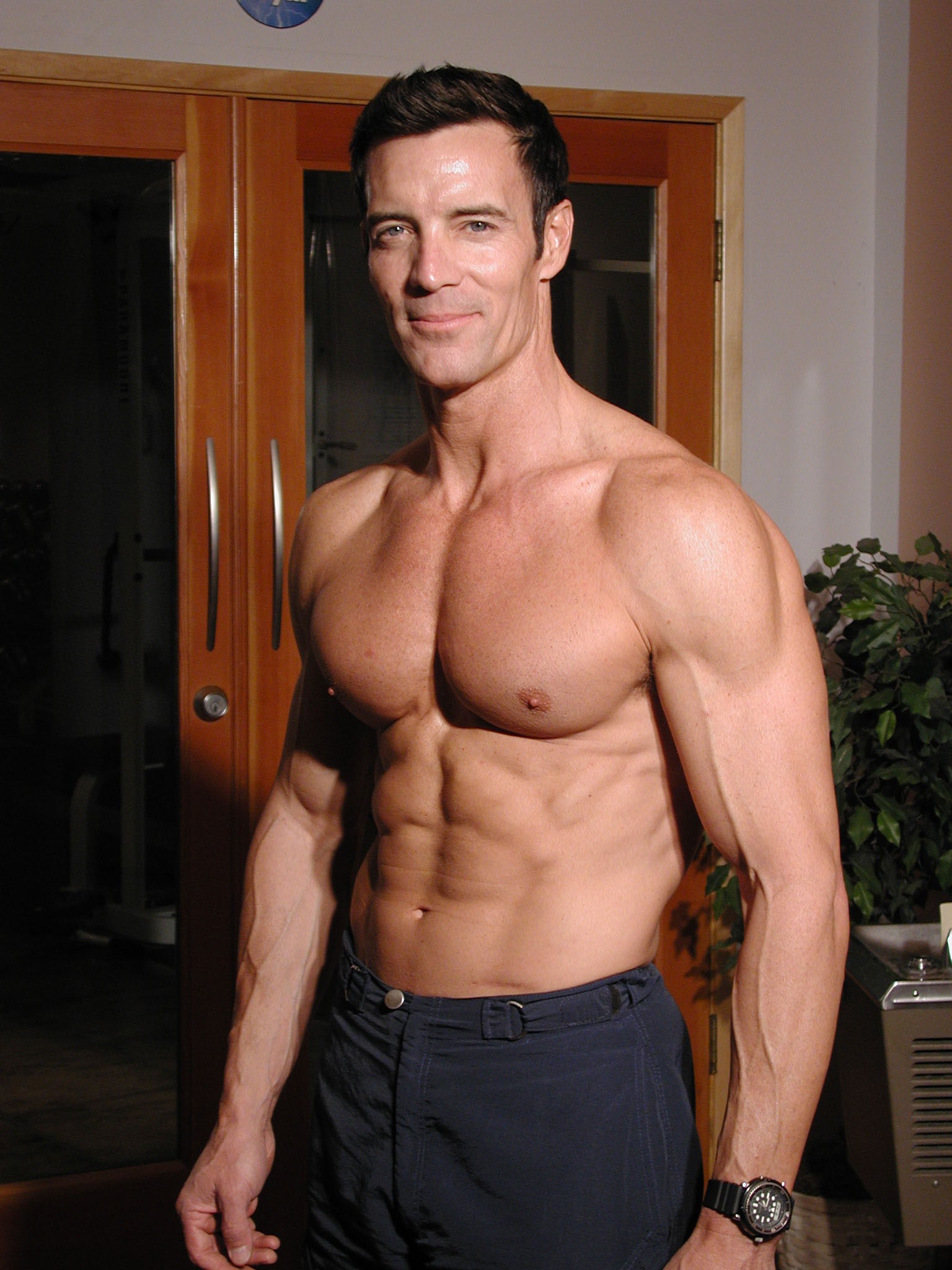
    Tony Horton qui a 52 anni

    Come è possibile migliorare un prodotto che è già di per se il massimo nella sua categoria? Ci ha provato con successo Tony Horton creando il nuovo programma di allenamento P90X2 che è il successore del P90X. Per chi non conosce il P90X, lo rimando alla lettura del precedente articolo  P90X – Ritrovare la forma…la mia esperienza , per chi invece ha già provato i benefici derivanti dal programma e ora ha/avrebbe intenzione di proseguire oltre con il P90X2, può trovare qui di seguito la mia esperienza dopo i primi due mesi di allenamento e il mio punto di vista riguardo il programma.

    Cos’è il P90X2? Come recita il libretto di presentazione, si tratta dell’evoluzione del programma di allenamento  P90-X  per arrivare ad essere nella migliore forma fisica della vostra vita. Così come il suo predecessore P90X, il P90X2 è un programma da completare in 90 giorni, (ma si può usare in maniera flessibile e diversamente dal programma base si può completare in più tempo, anche in sei settimane per ciascuna fase di allenamento che come per il P90X  sono tre) una continuazione del viaggio iniziato con il P90X e un ulteriore sfida per il raggiungimento della composizione muscolare ottimale e del rapporto fra massa grassa e massa magra e di miglioramento delle nostre doti atletiche.

    Qual è la differenza fra il P90X e il P90X2? Considerate il P90X2 come il passo successivo. Sempre fondato sui principi del P90X e sulla “confusione muscolare”, utilizza gli stessi concetti per la trasformazione corporea, ma con un’attenzione maggiore a funzionalità, agilità, equilibrio, mobilità e naturalmente anche ad un miglioramento dei risultati visibili. Quindi miglioramento nelle prestazioni e miglioramento nei risultati che possiamo vedere ad occhio nudo, ma con la diversità rispetto al P90X di ridurre a 5 sedute settimanali gli allenamenti e a due sessioni di stretching e recupero attivo, (chiamate Recovery + Mobility) così da donare maggior riposo al nostro fisico e permettergli un recupero maggiore. Il motto è: “Quando di meno vuol dire di più”. Come ben sapete e avete imparato durante gli allenamenti con il P90X, il nostro fisico progredisce,cresce e aumenta in forza solo quando il recupero è sufficiente dopo sessioni di allenamento impegnative.

    Prima di cominciare con il programma di allenamento, così come richiesto dal P90X, sarà necessario sottoporsi al test di entrata per il P90X2. Il test è lo stesso, anche perchè il P90X2 non è che sia più “duro” del P90X, è però composto da nuovi esercizi che coinvolgono diversamente i nostri muscoli. Certo la prima volta che abbiamo provato il P90X ci siamo chiesti se esisteva qualcosa di più faticoso e ci sembrava veramente una sfida impossibile. Questa volta arrivando già allenati al P90X2, non sarà difficile superare il test di entrata, ma vi assicuro che le prime settimane saranno necessarie per abituarsi ai nuovi esercizi che vedranno sempre presenti le “medicine balls” e la “stability ball“; questo al fine di aumentare ulteriormente la confusione muscolare e il nostro equilibrio e a rendere più impegnativi gli stessi esercizi.

    Vediamo da vicino come sono suddivise le tre fasi di allenamento che come già detto sopra, non dureranno necessariamente quattro settimane ciascuna, ma anche sei settimane. La prima fase è chiamata “Foundation”, la seconda “Strength” e la terza “Performance”. La prima fase o fase 1 (Costruiamo le fondamenta), focalizza maggiormente le “fondamenta” o meglio il nostro modo di essere collegati al terreno. Questo non significa solo le gambe, ma tutta la nostra catena cinetica composta dai muscoli,scheletro e sistema nervoso. C’è un vecchio detto che dice :” Non si può sparare con un cannone da una canoa”. In poche parole se la base non è solida, il resto lo sarà ancor meno, soprattutto quando tenteremo di fare esercizi di forza esplosiva. L’obiettivo della fase 1 è di creare solide basi al terreno,così da poter effettuare tutti gli altri movimenti senza compromettere la forma durante l’esecuzione. Quando questo processo sarà completato, apparirete in una forma migliore e le vostre performances saranno migliori.

    La seconda fase o Fase 2 (Diventare più forti), da qui si consolida la forza delle nostre fondamenta e si rafforza tutta la parte superiore del nostro corpo. Diciamo che si ritorna ai più familiari esercizi già effettuati con il P90X, ma la differenza è che questa volta verranno eseguiti da posizioni e situazioni instabili e che richiedono sicuramente maggiori doti atletiche, In questa fase, soprattutto se seguiremo il giusto piano alimentare e inseriremo gli esercizi contenuti nei due DVD extra, V Sculpt e X2 Chest + Shoulders+Tris  da alternare a Chest+ Back + Balance e X2 Shoulders, vedremo maggiormente i risultati nel cambiamento del nostro corpo a livello di composizione, in termini di perdita di grasso e aumento della massa muscolare. In questa fase soprattutto se la prolungheremo a 6  settimane la confusione muscolare sarà ai massimi livelli.

    La terza fase o fase 3 (Miglioriamo le nostre performances – Risultati esplosivi), fase dedicata alle prestazioni atletiche pure,frutto di esercizi e movimenti complessi da qui il nome degli esercizi (P.A.P. Lower/Upper Post Activation Potentiation), esercizi che sono strutturati per “distruggerci”, ma quando compresi ed eseguiti ci daranno una forma strepitosa facendoci sentire più agili scattanti e giovani.

    Come sapete io sono ancora nella fase due e ho completato tutti gli esercizi presenti nel programma P90X2 al di fuori dei P.A.P. che sono presenti nella fase 3 e quindi volevo dare qui di seguito la mia impressione. Ho trovato fantastica la fase 1 che ha messo a dura prova la mia forma pur essendo perfettamente allenato e proveniente dal P90X che eseguivo senza grossi problemi in tutti gli esercizi. Questo però è stato gratificante perchè ho migliorato la mia situazione a livello di muscolatura “core” e ne ho tratto beneficio nello sport che pratico principalmente che è il golf, ma anche nello sci dove la risposta delle mie gambe è stata ottimale e dal punto di vista atletico e della forma in generale e un miglior equilibrio psicofisico. La novità rispetto al P90X è stata l’introduzione di nuovo materiale per l’allenamento, infatti la maggiorparte degli esercizi si svolgono con l’ausilio delle medicine balls e della stability ball, sempre alla ricerca dell’equilibrio e della funzionalità lavorando costantemente in situazioni instabili. La medicine ball che in Italia chiamiamo anche palla medica, non va comunque acquistata come quella classica in cuoio morbido, ma deve essere di gomma,compatta al fine di permetterci di utilizzarla per  gli esercizi. (Io le posseggo da 4 e 6 kg.) Il nuovo programma dedicato allo stretching prevede la new entry del Foam Roller/Rumble Roller  per il self massage…un vero toccasana. Vi posso assicurare che dopo una sessione di Recovery + Mobility fatta con il Foam o Rumble Roller vi sentirete pieni di energia e otterrete una grande  flessibilità e vi sentirete pronti ad affrontare al meglio gli esercizi del giorno dopo e la vita in generale riducendo di molto la possibilità di infortunarvi. Che dire poi del programma yoga, certamente non è una vera e propria seduta di yoga, ma così com’è strutturato ed inserito nel P90X-2, il benessere che ne ricaverete supera di gran lunga la fatica anche se pure per lo yoga bisogna essere preparati in termini di flessiblità e forza è veramente impegnativo. Il Plyocide che è l’evoluzione del precedente Plyometric è fenomenale, salti, flessioni e attività aerobica in equilibrio spinta ai massimi livelli, magari non come l’insanity, ma certamente impegnativo e stimolante…e gli addominali? Qui a differenza degli AB ripper X del P90X si è più sul core e sulla contrazione concentrata e di resistenza. Anche per chi come me ha il suo punto forte nell’addome, troverà faticoso adattarsi ai nuovi esercizi e impiegherà  un po’ prima di eseguire in maniera composta e controllata tutti gli esercizi che durano i soliti 16 minuti e si fanno sempre dopo le sessioni di allenamento principale. Comunque sono in programma solo una volta a settimana nella fase 1 e tre volte nella fase 2. Diciamo che nella fase 1  essendo il tutto finalizzato al lavoro sul “core”, gli addominali lavorano già durante le normali sessioni di allenamento.

    Vi invito quindi a provare il P90X2, certo gli esercizi tipo i piegamenti sulle braccia su 4 medicine balls, due sotto le mani e due sotto i piedi e i piegamenti fatti con le gambe sulla Stability ball e le mani su una medicine ball  non sono proprio alla portata di tutti, ma sono sempre presenti i dimostratori che ci presentano gli esercizi con modifiche/semplificati anche nel caso che ci troviamo in viaggio e siamo in albergo e vogliamo allenarci con il materiale di fortuna presente nella nostra camera.

    In sintensi possiamo allenarci dovunque e comunque, basta averne voglia. Non dimenticate che per ottenere i risultati migliori e non vanifcare gli sforzi fatti, sarà necessario seguire anche un regime alimentare corretto e volendo c’è un libretto per la corretta alimentazione incluso,anche se io continuo a seguire Burn The Fat Feed The Muscle e potete sempre vedere i miei risultati riguardo l’esperienza fatta, leggendo l’articolo “Burn The Fat….La Mia Esperienza”  qui.

    Come dice Tony Horton: “Do your best and forget the rest!” “Bring it!”

    © Copyright 2012 – 2024  Piero Maina – Tutti i diritti riservati

  • Q & A: Intensity or Insanity: How Much Training Effort is Enough?

    Q & A: Intensity or Insanity: How Much Training Effort is Enough?

    Title: Intensity or Insanity: How Much Training Effort is Enough?
    Author: By Tom Venuto

    Word Count: 1705

    QUESTION: Tom, do you think that the intensity of your workout is “THE THING” that gives you results or is it more about being consistent with your workouts? The reason I ask is because I’m following your www.BurnTheFat.com! nutrition program and I also just got a new high-intensity workout program called the Insanity series. I like doing these workouts, but I’m having a hard time pushing myself that hard every day and I’m finding now that I’m starting to dread doing them. I have been doing these workouts only 2-3 times per week instead of the 5 times per week that is recommended in the program. This workout brings me to my knees. I’ve started questioning myself and wondering if it’s even worth the torture. – Paul

    ANSWER: Intensity is one of the most important training variables, and at times, you’ll definitely want to train with high intensity to get maximum results in the shortest time.

    But the real answer to your question may depend on your goals, the shape you’re in now and even your personality type.

    Some things to consider:

    • Are you a beginner or already in shape and looking for the next challenge?
    • Do you like home bodyweight workouts or are you a gym and weights/ cardio machine type?
    • Are you the “hard-core” fitness nut type of person or do you simply want to get leaner and healthier, nothing crazy?
    • When you say you want “results”, are you talking about fat loss, cardiovascular fitness improvement, muscle growth or all of the above?

    With that in mind, let’s answer the HOW MUCH INTENSITY question in the context of fat loss first.

    I’m sure you can appreciate that people can lose weight while lying in a hospital bed. If someone is sick and can’t keep food down, then there can be a significant calorie deficit even without exercise. That rules out high intensity training as an absolute prerequisite for weight loss. In fact, this simple example proves that exercise is not a requirement to lose weight at all.

    Obviously, starving yourself is NOT the approach I recommend! My burn the fat program (www.BurnTheFat.com!) is based on the opposite: train more and feed the muscle and fuel the training. I’m simply making the point that it’s NOT intensity PER SE or even ANY type of particular workout that creates the fat loss, IT’S THE CALORIE DEFICIT!

    To burn fat, focus on establishing and maintaining a calorie deficit.

    To increase speed of fat loss, focus on increasing the size of the calorie deficit.

    Calorie deficit = fat loss is a liberating concept because it makes you realize you have endless options for achieving your fat loss goal using all kinds of different combinations of nutrition and exercise. Furthermore, none of the workouts have to beat you into submission to achieve a calorie deficit, especially if you work diligently on the nutrition side of the equation.

    Countless thousands of people have acheived their goal weight with walking (low intensity exercise) as their only cardio. They chose walking because that’s what suited their needs and their personality.

    Here’s where intensity comes in:

    From a bodyfat loss perspective, using higher intensity training makes the workout more EFFICIENT. The higher the intensity, the more calories you burn. The more calories you burn, the more fat you lose, if all else remains equal (ie, if you don’t compensate by eating more).

    Some trainers claim that low intensity steady-state exercise is “ineffective” or even “totally worthless.”

    THIS IS TOTALLY FALSE!

    Low intensity training is not ineffective, it’s simply less efficient. For example, it takes a lot of time walking to burn enough calories to put a major dent in your fat stores. If you were to increase the intensity of your cardio, you’d burn more calories in less time and you’d drop the fat faster. You’d also be improving time efficiency by achieving a calorie deficit with less time investment.

    But think about this: If that high intensity workout made you start to dread it, or if you started to think of it as torture, or if it got you injured, then how long would you stick with it?

    If you can’t stick with it, what good did it do you? It gets tossed on the ever-growing pile of other quick fixes.

    It’s surprising how often a moderate approach, or even the slow and steady approach, beats out the quick and intense approach if you extend your time perspective and think long term.

    It’s the classic story of the tortoise vs the hare:

    The hare comes blazing out of the gate in a sprint and leaves the tortoise in the dust. Looks like the hare will be the clear winner. But the hare gasses out after that sprint and takes a nap.

    The tortoise, being the more consistent of the two, slowly but surely keeps making progress, getting closer and closer to the goal, never missing a step.

    As the fable goes, the tortoise eventually passes the complacent and or exhausted hare, who is lazily snoozing under a shady tree. In the end, the Tortoise wins the race. Leisurely, I might add… (no “pukey” t-shirt necessary).

    Intensity gets you there faster, if you can stick with it, but consistency ALWAYS pays in the long run when it comes to fat loss.

    What about intensity in the context of fitness improvement?

    It’s important to know that you can get health benefits from moderate and even light exercise. But when you compare it to intense exercise, there’s no contest. Higher intensity types of cardio kick low intensity’s butt.

    In fact, it’s almost shocking how much cardiovascular improvement you can get from a fairly small amount of intense, or sprint-like training:

    This is one of the reasons High Intensity Interval Training (HIIT) is justifiably so popular.

    A paper just published in the ACSM’s Exercise and Sport Sciences Review (July 2009) discussed the research suggesting that intense aerobic interval training provides greater benefits for the heart than low or moderate intensity exercise.

    The benefits discussed included:

    Increased maximal oxygen uptake

    • Improved heart muscle contractile function
    • Improved heart muscle calcium handling
    • reduced cardiac dysfunction in metabolic syndrome
    • Reversed pathological cardiac hypertrophy
    • Increased physiological hypertrophy of the heart muscle
    • Overall: improved quality of life and length of life by avoiding fatal heart attacks.

    The researchers concluded:

    “The studies indicate that high intensity may be an important success factor for designing effective exercise programs and that high intensity may be particularly critical for improving cardiac function.”

    Ok, so that covers intensity in the contexts of fat burning and cardiovascular improvement. What about for building muscle?

    Once again, training intensity is a critical factor. For muscles to grow, you have to literally break down muscle fibers, disrput your body’s homeostasis and create a stress response. The adaptation to that disruption is strength and hypertrophy, but it only occurs if you can recover from the stress. The major point is that intensity is a critical factor for all kinds of health and fitness training, but it’s also the one variable that has to be managed the most carefully… and sensibly!

    Doing knock-you-to-your-knees workouts of any kind, every single day is not a smart strategy.

    I know a few guys – like my friend Mike the kickboxing instructor – the dude is indestructable! He could take any workout you give him, chew it up, spit it out and then say, “Is that it?” (Then he would go teach 3 classes in a row!)

    But unless you’re one of these super-human genetic mutants, your body just can’t take a nonstop pounding. Yet there are lots of people with the dispostion and personality type to go in the gym and beat themselves to a pulp each time. Despite the heroic effort, they may be doing their bodies more harm than good (of course, I was never one of those crazy “insane training” people, ahem, cough, cough)

    This is why most experts today are recommending only 2-3 HIIT style or high intensity cardio workouts per week when you’re concurrently doing intense weight training. If you want to increase your calorie deficit so you can burn more fat in less time, go ahead and do more training. But for most people, the additional workouts should be low or medium in intensity so they don’t interfere with physical recovery or lead to mental burnout.

    Intense daily boot-campish workouts may appeal to the “I want to be tough as a navy seal” personality types and advanced workouts serve their purpose – to provide an appropriate challenge for advanced fitness enthusiasts. If you enjoy it, and if you can recover from it, and if you can stay injury-free, and if you can stick with it consistently, then go for it. But be sure to balance your intensity with recovery:

    * Balance your weight training and cardio (volume, frequency and intensity) so you can recover from both and reap the benefits of both forms of training.

    * Vary your workouts with some form of periodization or intensity-cycling system.

    Last but not least, I believe that weight training should sit atop the exercise hierarchy as one part of a total fitness program.

    Fat loss programs that are based entirely on calisthenic, aerobic or body weight exercise are popular today, but I recommend a 4-element model:

    1. Nutrition
    2. Weight training
    3. Cardio training (low/moderate and intense)
    4. Mental training (mindset and motivation)

    For total fitness and physique development – muscle, strength, conditioning and leanness, combine weights with cardio…

    Judiciously balance hare-like intensity with recovery…

    AND do it all with tortoise-like consistency…

    Then, watch what happens to your body. You will like it!

    Train hard and expect success,

    Tom Venuto
    Author
    www.BurnTheFat.com!

    PS. You can learn more about my 4-part model of fat loss in my burn the fat program at: www.BurnTheFat.com!


    About the Author:

    Tom Venuto is a natural bodybuilder, certified strength and conditioning specialistTom Venuto (CSCS) and a certified personal trainer (CPT). Tom is the author of “www.BurnTheFat.com!” which teaches you how to get lean without drugs or supplements using methods of the world’s best bodybuilders and fitness models. Learn how to get rid of stubborn fat and increase your metabolism by visiting: www.BurnTheFat.com!


  • P90X – Ritrovare la forma…la mia esperienza

    P90X – Ritrovare la forma…la mia esperienza

    Titolo: P90X – Ritrovare la forma…la mia esperienza

    Autore: Piero Maina

    Conteggio parole: 1716

    Sono venuto a conoscenza del programma di allenamento P90X ad Agosto 2010 e come mia abitudine ho guardato a questo prodotto, creato dal noto istruttore fitness

    Tony Horton qui a 52 anni

    Tony Horton (oggi 54 enne), con un po’ di sano scetticismo. Forse dovuto al contesto dove viene venduto (http://www.beachbody.com/) , dove si trovano diversi programmi di allenamento e forse anche ai miei preconcetti che vedono questi siti americani un po’ come specchietti per le allodole. Questa volta però avendo già sperimentato con successo Burn The Fat Feed The Muscle  non ho perso tempo e visti anche i feedback positivi trovati in rete sono partito con il test ai primi giorni di settembre 2010. All’epoca ero pure infortunato alla tibia sinistra per una frattura da stress che mi ha impedito di allenare le gambe per 6 mesi e quindi all’inizio anche il P90X non poteva essere eseguito completamente, ma comunque l’ho iniziato.

    Vediamo cos’è questo P90X (Qui la spiegazione su Wikipedia in Inglese). Per quelli che già lo conoscono non c’è bisogno di spiegazioni, per tutti gli altri dico che si tratta di un programma di allenamento completo che si prefigge di ridare una forma fisica eccellente in soli 90 giorni con esercizi veramente impegnativi e da qui nasce appunto il nome P90X, dove 90 sono i giorni e X sta per fattore estremo. Infatti il P90X non è proprio per tutti, richiede una buona forma fisica già in partenza per essere completato e chi è soggetto a infortuni alle articolazioni (sorrido perchè io partivo già con una frattura da stress alla tibia) e altre patologie è sconsigliato da intraprendere questo programma e comunque sempre dopo il parere positivo di un medico. Prima di iniziare viene proposto un test di idoneità che consiste appunto nell’effettuare alcune prove che ci daranno un primo riscontro sul nostro stato di forma e se in linea con i valori minimi di entrata si potrà partire per il viaggio di 90 giorni. Va detto comunque che anche chi non dovesse essere in perfetta forma può comunque cominciare gradualmente il programma, limitando le ripetizioni e portando a mezz’ora il tempo di ciascuna sessione che mediamente dura un’ora. Col tempo poi il nostro fisico si abituerà e gli esercizi che all’inizio sembravano impossibili diverranno via via più “umani” e finiti i primi 90 giorni si può anche iniziare un’altra sessione, magari lasciando riposare il nostro fisico una quindicina di giorni. Io stesso ho potuto sperimentare il miglioramento nel tempo e ora ho completato cinque ripetizioni del programma. E’ però vero che alcuni esercizi anche dopo più di un anno che li eseguivo non erano stati ancora completamente metabolizzati. Ad esempio le flessioni su un braccio che sono veramente impegnative, vengono da me eseguite, ma no di certo con la stessa facilità di esecuzione con due braccia e per lo meno per me c’è un arto con il quale l’esercizio viene eseguito meglio. In sintesi i primi mesi eseguivo una o due flessioni su un braccio e le restanti con il peso distribuito sulle ginocchia; ora è diverso. Lo stesso potrà capitare con le trazioni alla sbarra o altri impegnativi esercizi di cui il P90X è ricco. Come dice Tony Horton, “Roma non è stata costruita in un giorno, nè così sarà costruito il tuo fisico”, quindi cercate solo di fissare un obiettivo nella vostra mente e forse il primo giorno le ripetizioni saranno una o due o forse nessuna senza aiuti, ma poi con il tempo aumenteranno e quello che all’inizio sembrava solo un sogno lo vedrete trasformarsi in realtà.

    Considerate poi che sempre con la giusta volontà il programma può essere eseguito dovunque e durante l’ anno e mezzo che mi ha visto pendolare fra Roma e Milano e residente in albergo, la situazione non mi ha impedito di portare avanti con successo il programma. Infatti la mia “palestra” era la camera dove abitavo e al posto della barra entroporta per le trazioni e i manubri ho acquistato un set di elastici professionali (Bodylastics), che oltre ad essere l’ equivalente di un set di manubri di 180 Kg., in soli due chilogrammi di peso e un ingombro di 60 cm, mi permettevano di trasportarli nella loro valigetta anche in treno. L’altro atrezzo indispensabile era una coppia di maniglie per le flessioni che trovavano posto anche loro nella valigetta degli elastici essendo smontabili. Quindi i primi sei mesi a causa della frattura alla tibia ho potuto allenare solo la parte alta del mio corpo il lunedì e mercoledì  e gli addominali anche il venerdì. (provate gli Ab Ripper X, sono “solo” 349 addominali in 16 minuti e poi ne riparliamo). Comunque data anche la mia situazione logistica e al fatto che il venerdì rientravo a Roma non ho potuto lavorare serenamente, soprattutto i primi tempi, ma anche quando ho recuperato dalla frattura non sempre riuscivo ad eseguire l’intero programma. Mediamente mi allenavo 4/5 giorni a settimana, compatibilmente con la mia situazione lavorativa e impegni privati, cercavo solo di rispettare tre volte a settimana gli addominali e la corsa, abbinati naturalmente agli esercizi del P90X e ogni tre settimane di allenamento una di riposo.

    Naturalmente i risultati dipenderanno dalla qualità del vostro impegno sia negli allenamenti, ma soprattutto nell’alimentazione. Personalmente vivendo in albergo e in macchina e mangiando solo al ristorante mi sono dovuto adattare e la mia storia l’avete già potuta leggere all’interno dell’articolo “Burn The fat…La Mia Esperienza“, ma come sempre ripeto, NIENTE è impossibile se lo si vuole veramente.

    Il P90X si basa sulla confusione muscolare e ci renderà migliori nella forma fisica a livello estetico, ma soprattutto vedremo migliorare le nostre doti atletiche, la flessibilità, la forza e la mobilità in generale. Anche il P90X ha il suo piano alimentare, ma diciamo che per me è valido quanto appreso con Burn The Fat Feed The Muscle e non l’ho seguito. La mia necessità di trovare un sostituto dell’allenamento con i pesi, nasce prima di tutto dal fatto che non “potrei” utilizzarli  per i miei problemi di salute, (anche se poi li utilizzo pure con il P90X) e poi per un fatto logistico di trasporto. In secondo luogo per la mia preferenza orientata di più verso un fisico “fitness” . Diciamo che per la mia altezza di 178 cm. se dovessi arrivare ad un buon risultato come bodybuilder natural dovrei pesare almeno 90 kg.  o anche più per ottenere un fisico potente e ben costruito e se anche avessi disponibilità di forza e non solo muscolo da mostrare, avrei probabilmente dei limiti in certi sport che io pratico con soddisfazione. Pertanto come scrivevo sopra, la mia preferenza va più alla ricerca di un peso forma “Fitness oriented” che sta a significare che : presa l’altezza in centimetri e sottratta la cifra 100, il numero che si ricava per differenza è il peso ideale in chilogrammi. Naturalmente con una massa grassa del 5%-6%. Quindi nel mio caso parliamo di 178 – 100 = 78 Kg praticamente 74 Kg. di muscoli,ossa e organi interni ad eccezione del grasso. (Apro una parentesi per questa mia affermazione, 90 kg per un’altezza di 178 cm. per un body builder natural o anche più come ho scritto sopra sono da considerare obiettivi ambiziosi da ottenere e un ruolo importante lo giocherà la genetica. Diciamo che sono masse più da bodybuilder che assumono steroidi. Poi c’è da considerare se i 90 kg o più sono riferiti a periodi lontani dalle competizioni o al “picco”. Riportando la tabella di Steve Reeves che  è stato un grande bodybuilder natural, famoso per la sua proporzione e simmetria, per una altezza di 178 cm/5′ 10″ il peso dovrebbe essere di 84kg./185 lbs. quindi  a metà percorso fra la misura da me ricercata e i 90 kg, ma 6/8 kg di massa magra in più, non sono facili da aggiungere senza la giusta alimentazione e una profonda dedizione negli allenamenti con i pesi). Alla sola massa in senso assoluto, preferisco comunque la proporzione, la simmetria e le masse muscolari più equilibrate dei ginnasti e fitness model a quelle dei puri bodybuilders, pur sapendo che anche per loro la disciplina nell’alimentazione e la tipologia degli alimenti è praticamente la stessa.

    Se proprio volessi esagerare, ma restano fisici difficilmente replicabili in età avanzata, ricercherei un fisico come quello di Hannibal for King.

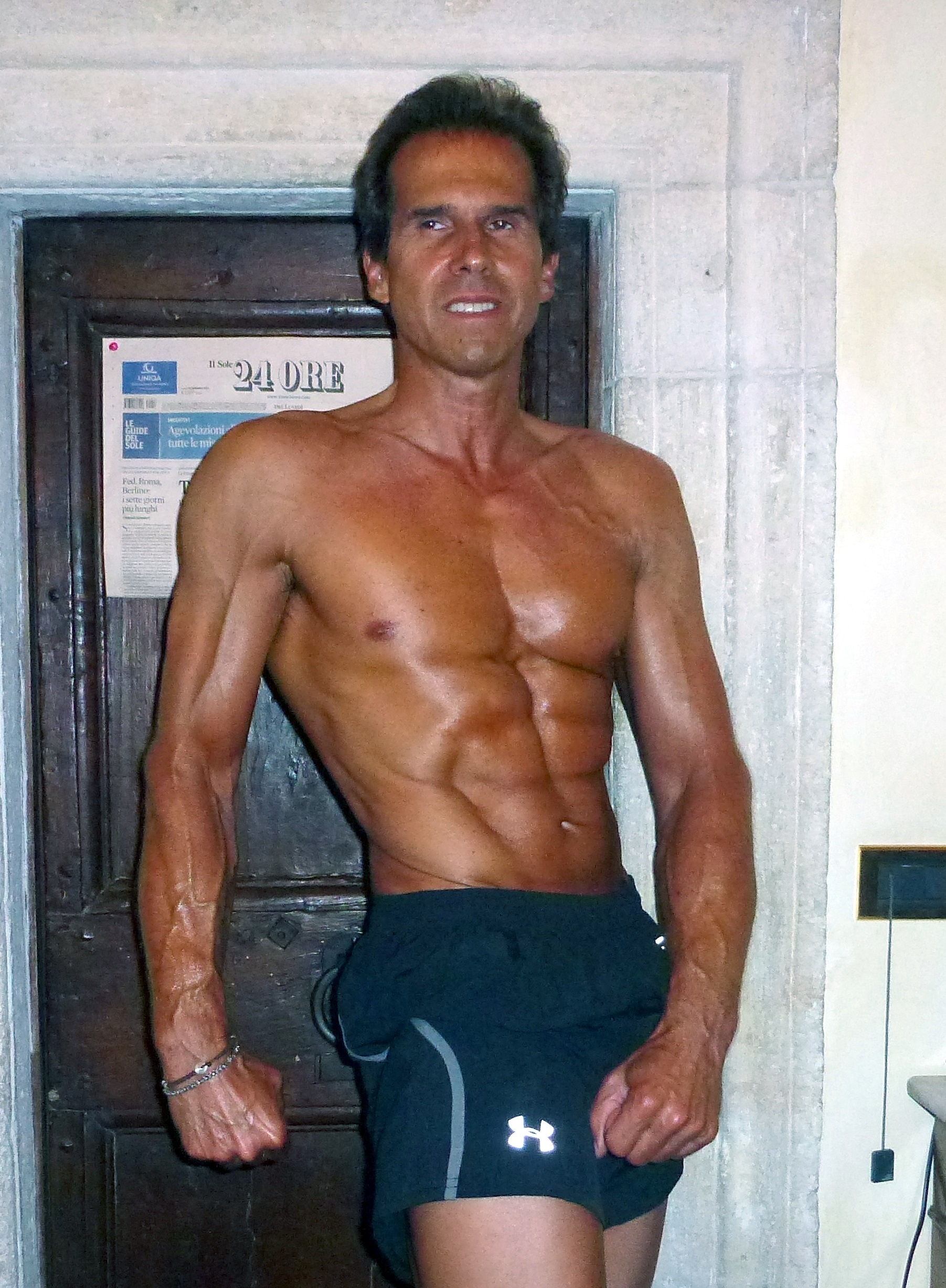
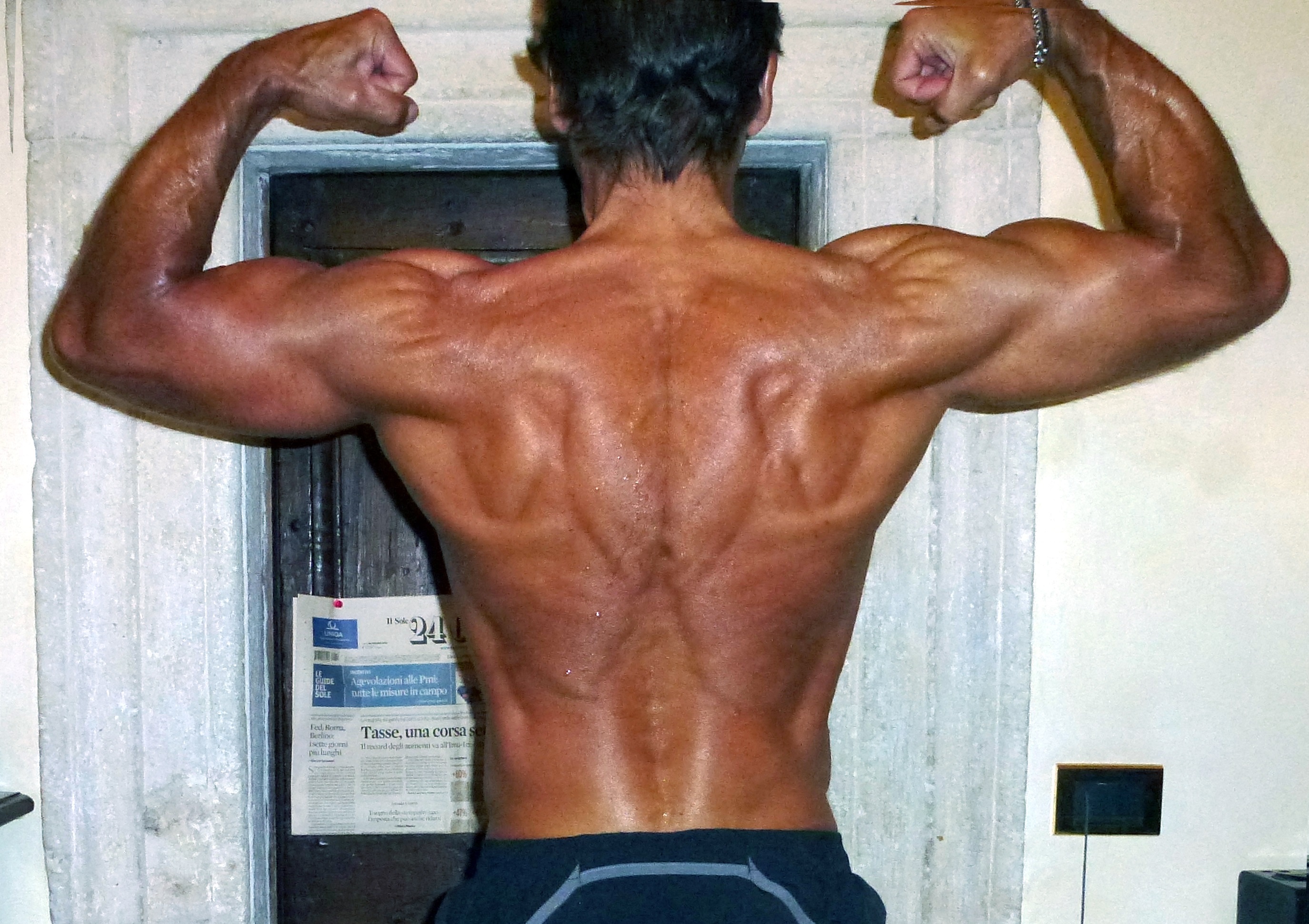
    Ecco in questo caso il P90X è imbattibile, i programmi spaziano dall’esercizio puro a corpo libero basato su flessioni,trazioni alla sbarra, squat di ogni genere anche su una gamba sfruttando il proprio peso,ma anche con peso aggiunto, fino al plyometric (salti e cardio insieme), allo stretching e allo yoga. Per chi come me si aspettava uno yoga di rilassamento, dovrà ricredersi perchè oltre al rilassamento c’è una richiesta di sforzo fisico per effettuare le pose richieste che se imparate ed eseguite ci faranno chiedere perchè non abbiamo iniziato prima. Risultato: un equilibrio psicofisico eccellente e le foto del mio fisico a 50 anni sono il frutto dell’alimentazione e del modello di pensiero costruito con Burn The Fat Feed The Muscle e degli esercizi che ho imparato in questo anno e mezzo con P90X .

    Naturalmente tutti gli esercizi che ci permettono di allenare il nostro fisico sono validi e non voglio dire che uno è meglio dell’altro, sentiamo parlare di pilates, di TRX e anche all’interno di Beachbody.com troviamo Insanity e altri programmi che se seguiti con la giusta alimentazione daranno sicuramente ottimi risultati. Mettetevi in testa che tutto parte appunto dalla vostra mente e se oggi avete un minimo di volontà e non avete gravi patologie che possano ostacolarvi tutto è possibile, ma prima ci vuole la volontà di farlo, di scrivere un obiettivo ben preciso e poi l’alimentazione. L’alimentazione è il carburante per fare andare il vostro motore, poi viene l’esercizio e vedrete che potrete raggiungere la forma sognata,ma solo se lo vorrete veramente.

    Personalmente cerco sempre di migliorarmi e attualmente sono impegnato con il nuovo programma di Tony Horton che ha rilasciato lo scorso natale, il P90X-2. Sono nelle prime settimane di allenamento e ancora devo apprendere bene i nuovi esercizi, naturalmente questo programma è l’evoluzione del precedente, non necessariamente migliore. Non posso ancora esprimere giudizi fino a che non l’avrò completato, ma se il buongiorno si vede dal mattino, posso dirvi che ne vedremo delle belle perchè è molto duro anche per chi, come me, proviene dal  P90X ed è già allenato.

    © Copyright 2012 -2023 – Piero Maina – Tutti i diritti riservati

  • Build a Bigger Chest in 3-4 Workouts or Less

    Build a Bigger Chest in 3-4 Workouts or Less

    Title: Build a Bigger Chest in 3-4 Workouts or Less

    By line: By Tom Venuto, CSCS, NSCA-CPT

    URL: www.BurnTheFat.com!

    Word count: 1799 words

    Build a Bigger Chest in 3-4 Workouts or Less

     
    By Tom Venuto, NSCA-CPT, CSCS www.BurnTheFat.com!
     

    If your pecs are a weak body part, or, if you’ve simply hit a progress plateau in your chest development, then this high intensity chest training program will pack slabs of muscle mass on your chest after just 3-4 workouts – and I guarantee it. This is a high intensity bodybuilding workout for advanced bodybuilders only. (Beginners don’t even think about it…)

    I’m currently on workout 3 of 4 in this pec routine and the results have been so impressive that I decide to write it up for you before I even finish the final workout next week.

    Considering I’m on a calorie deficit in a cutting phase, I’m especially impressed with the increase in my chest size and development after 3 workouts. You’re not going to gain much if any muscular body weight if you are in a caloric deficit, but NO DOUBT, you can improve the development of a muscle group even while cutting up. This is a perfect example. I’m going to return to this program again for sure on my next mass phase. This program is called…


    Multi-Angular Rest Pause With Pump Finisher


    Here’s how it works. You select two exercises. For exercise one (the main course), I chose a basic pec mass exercise that can be done at any angle from steep incline to flat bench. Thats the primary exercise you stick with for all 4 workouts. Incline Dumbbell Press was the natural choice. I set up on a fully adjustable bench that allows multiple angles of incline.


    For exercise two (dessert), I chose an isolation exercise for a pump finisher, and it changes with every workout.


    Here’s the sequence:


    A1 Incline Dumbbell Press – steep incline – about 65-70 degrees 6 reps rest 10 seconds


    A2 Incline Dumbbell Press – medium (regular) incline – about 45 degress 6 reps 10 seconds


    A3 Incline Dumbbell Press – low incline – about 20-25 degrees 6 reps 10 seconds rest


    A4 Dumbbell Press – flat bench 6 reps


    Now rest 2 – 3 minutes.


    That’s one “set.” Technically of course, that is FOUR SETS, done in rest pause fashion, so lets call it one “round” for clarity’s sake.


    Yes… that was round ONE. Now do it two more times.


    Note: It helps a lot if you have a training partner change the bench angle so you can stay seated and keep the dumbbells in your hands. Doing it alone is slow and cumbersome.


    For poundage, youre going to have to go MUCH lighter than usual. Although I don’t train heavy pecs anymore, last time I did, I was doing 6 reps with 125s on the incline. So for this program I took about 50-60% of that; 70 lbs on workout 1, 75 lbs on workout 2,and 80 lbs on workout 3. On the last one, I had to drop to the 75s to finish all 3 rounds and even then I needed some forced reps towards the end.


    You may need to decrease the weight on the 2nd or 3rd round, but if at all humanly possible, do NOT reduce the weight during each round. Doing all four angles at the same poundage is the whole idea.


    What may happen, especially if you even slightly overestimated your starting poundage, is that reps may drop with each angle change within a round. First angle – 6 reps is easy. second angle, a little harder, but still no problem. Third angle, you might only squeeze out 5 reps or hit honest failure on the 6th rep. 4th angle (flat), you might hit total failure on the 4th or 5th rep.


    Now this is also where a training partner comes in. This routine should not be attempted without a spotter. Sorry, but you are a dork if you try to do this without a spotter. This program causes HONEST muscle failure (I’ll explain that in more detail shortly), so you need the spotter for safety, but moreover, you will need a spotter’s assistance to complete forced reps, at least on the final round or two, if not the first round. In general, forced reps should not be overused, but they play an important part of this program.


    Ok, where were we? Oh yeah, you just finished your 3rd round. You might be finished! Yeah. some people will be DONE, KAPUT, ZONKED, BONKED, NUKED, GAME OVER, after 3 rounds of that (think about it – that was 12 sets, disguised as 3 sets!) However, for those who want the full course…. come with me and lets finish off those pecs with the pump (oh, you thought were already pumped… heh.. just wait…you’ll see what a pump is!)


    The second exercise (exercise B) is going to be an isolation exercise.. ie., DB flye, cable crossover, machine flye (pec deck), etc., and you will perform 20-25 reps, non stop in piston-like fashion. use a steady quick tempo, but not so fast that you use momentum.


    This isolation /pump exercise will change with every workout:


    B1 Workout 1: standing cable crossover 2-3 sets, 20-25 reps


    B1 Workout 2: machine flye or pec deck 2-3 sets, 20-25 reps


    B1 Workout 3: decline dumbbell flye 2-3 sets 20-25 reps


    B1 Workout 4: flat bench cable flyes in cable crossover machine 2-3 sets, 20-25 reps


    That’s it! That’s the whole program. Three rounds of multi-angular rest pause, then finish your workout with 2-3 sets of 25 reps on a pumping, isolation movement.


    This routine is performed within a standard bodybuilding type of split, so it should be done once in 5-7 days, no more. You would probably do another body part after chest,such as biceps or triceps, depending on how you organize your split routine.


    I would recommend advanced bodybuilders use this program a couple times a year if and when they need a boost in chest development. This is not the type of program you would use all the time. You would burn out and overtrain.


    There’s one more very important part of this routine – progression.


    On the Incline Dumbbell Presses, you will increase the poundage with every workout. Keep in mind, you will not be able to complete all 3 rounds at all 4 angles for 6 unassisted reps. Its going to get harder each time, even as you get stronger. You may have to use a spotter more with each progressing workout. You may also find that on workout 1 or workout 2, you can complete all 3 rounds with the same dumbbells, but on workout 3, by the 2nd or 3rd round, you have to drop the weight or you’ll barely be getting 2 or 3 reps.


    Now let me re-emphasize the importance of a spotter. Theres something thats going to happen when you do this routine that does not happen often. You will hit what my training partner and I call “HONEST FAILURE.” This means that your muscles literally fail, or give out right underneath you. Mind you, this is not something you would usually aim for, but that’s just the nature of this program and this is only a 4-workout high intensity “shock” type of routine.


    When I say your muscles will give out, I mean that literally. On the last rep or two of 3rd or 4th angle, of the 2nd or 3rd round, your arms may literally buckle underneath you. That’s honest failure.


    You see, there are several types of failure… First there is “sissy failure”.. that’s when there is a lactic acid burn or a fatigue in the muscle (you’re tired) and because it hurts or youre tired, that causes you to stop. Thats sissy failure (sarcasm).


    Then you have positive failure. This is where you can no longer push the weight up in a concentric motion, but you are still able to lower the weight and exert an upward force against the weight. For example, you’re bench pressing and you hit the “sticking point,” but you are holding that bar at the sticking point (its not coming back down), and you’re still exerting force to push the bar upward, but the bar simply isn’t moving up!


    Then you have honest failure. This is where the muscle simply gives out.. it buckles. you have reached concentric and eccentric failure. This type of failiure is rarely discussed. In fact I don’t recall anyone ever writing about it except for Arthur Jones and Ellington darden and the rest of the High Intensity Training (HIT) camp.


    Rarely does any bodybuilder tread in this territory, and for good reason, as it is really not necessary and can be dangerous for anyone but a veteran who knows what the heck he is doing – and all the kidding aside for a moment, Im serious about this. Its no joke if your chest and arms give out from underneath you and you dump a 70 or 80 pound dumbbell on your face. (you do like your teeth, don’t you?)


    However, as a technique you use on rare occasion for a shock routine that breaks through progress plateaus, that untrodden territory is there… for those who dare. There is something about this particular program (multi angular rest pause) that takes you there. You’ve been warned! Train hard, but be safe!


    Now, go out there and get jacked!


    Tom Venuto, NSCA-CPT, CSCS Lifetime Natural Bodybuilder www.BurnTheFat.com!

    About the Author:Tom Venuto


    Tom Venuto is a natural bodybuilder, certified personal trainer and freelance fitness writer. Tom is the author of “Burn the Fat, Feed The Muscle,” which teaches you how to get lean without drugs or supplements using secrets of the world’s best bodybuilders and fitness models. Learn how to get rid of stubborn fat and increase your metabolism by visiting: www.BurnTheFat.com!


  • How To Lose 20 Pounds Really, Really Fast!

    How To Lose 20 Pounds Really, Really Fast!

     Title: How To Lose 20 Pounds Really, Really Fast!

    By line: By Tom Venuto, CSCS, NSCA-CPT

     URL: www.BurnTheFat.com!

     Word count: 1816 words

    How To Lose 20 Pounds Really, Really Fast By Tom Venuto, NSCA-CPT, CSCS www.BurnTheFat.com!

    Back “in the day” when I was a full time personal trainer and I met with weight loss clients in person at my New Jersey Health Club, the first thing I would always ask during the initial consultation was:

    “Tell me what you want… and I’ll show you how to get it.”

    Typical reply from client:

    “I want to lose 20 pounds fast.”

    My reply:

    “Are you SURE that’s what you want? …If I can show you how to lose 20 pounds REALLY fast, will that make you happy?”

    They nodded their head affirmatively as their eyes lit up in anticipation of the rapid weight loss secrets I was about to reveal…

    Their face went white when – with a totally straight face – I pulled out a hacksaw and started walking towards them…. menacingly.

    Not sure whether to laugh or run in sheer terror, they said,

    “What the heck are you doing?”

    “You said you wanted to lose 20 pounds fast. This is the easiest, surest, most effective way I know to take 20 pounds off you FAST! In fact, I figure that right leg of yours might even weigh 25 pounds!”

    I kept walking closer and started to get into sawing position, wielding my fast, effective and guaranteed weight loss tool…

    “Bear with me because this IS quick, but sometimes it takes a few minutes for me to cut through the bone.”

    By this time, my client (and I) are either completely cracking up, I have seriously scared the living you know what out of them, or they just think I’m a complete lunatic… (depends on whether I was able to keep a straight face or not)

    Finally, the light bulb goes on, and my client would see where I was going with this:

    “Okay, smart alec,” I get it… I don’t want to lose WEIGHT, I want to lose FAT.”

    Sometimes I would be having so much fun, I would just keep on playin’…

    “But why not? This is easy, fast and guaranteed – just what everyone wants these days… it’s even better than taking a pill! Come on… let me hack it off! You’ll be my next testimonial: ‘I lost 20 pounds in 5 minutes!’ Imagine what that will do for my business!”

    “Very funny. I told you, I get it! I want to lose FAT, not muscles and bones. I need my leg!”

    Naturally, of course, I don’t always have to pull out my trusty blade. Every once in a while… about as often as a total solar eclipse… a client answers my question like this:

    “What do I want? Tom, I want to lose 20 pounds of body fat in the next 12 weeks. I want to do it slowly, safely and healthfully and then keep it off permanently. I want all the fat around my hips and thighs completely gone and I want a firm flat stomach. I want muscle all over my body while still looking feminine. I’d like to see myself at about 16% body fat and maintain all my muscle or gain a few pounds of lean mass if I can, especially in my arms. This is important to me because I want to set a good example for my kids, I want to be healthy and live to at least 90 and I want my husband to look at me and say, “I love your body,” and I want to be able to *honestly* say back to him, “me too!”

    It is on these rare occasions that I know there is still intelligent life on this planet.

    If you could answer the question, “What do you want” with the lucidity, clarity and specificity that this woman did, I don’t think you would ever have any difficulty reaching your health and fitness goals… or any other goal in your life, for that matter.

    Her answer was what you call a very “well-formed” goal, backed up with lots of emotional motivation-inducing “reasons why.”

    “I want to lose weight” is a poorly-formed goal.

    “Weight” is not the same as “fat.” Weight includes muscle, bone, internal organs as well as lots and lots of water.

    If you only learn ONE thing from all my newsletters, articles and books, PLEASE learn this:

    WHAT YOU REALLY WANT IS TO BURN THE FAT, WHILE KEEPING THE MUSCLE!!!!

    FAT LOSS is what you want, not weight loss.

    If your body were 100% rock-solid muscle, with absolutely nothing that jiggled (unless it was supposed to), would you care how much you weighed?

    I bet you wouldn’t! And if that’s true, then…

    STOP WORSHIPPING THE SCALE AND START MEASURING YOUR BODY COMPOSITION!

    By measuring your body fat, you take the guesswork out of your health and fitness plan and you get an accurate picture of what’s really happening in your body as a result of your diet and exercise program.

    Instead of worrying about whether you are losing muscle, or wondering if you are losing fat, you can measure it and KNOW for sure. (I always get a good chuckle when someone tells me they’re worried about losing muscle when they don’t even measure how much muscle they have!)

    Instead of being confused by all the “opinions” from weight loss and exercise “experts” who are all telling you something different, you can MEASURE your body composition and based on the results, you can KNOW for sure whether your program is working.

    A very wise man once said,

    “A single measurement is worth a thousand opinions.”

    So, how do you measure body fat?

    Thanks to technology, there are some methods today that are so accurate, they can tell you whether your left pinky has more fat than your right pinky! Unfortunately, many of them are either too expensive or they are inaccessible, being found only in hospitals or research facilities

    If you want to learn a LOT about various body fat testing methods, chapter 3 of my e-book, Burn The Fat, Feed The Muscle (www.BurnTheFat.com!) goes into great detail about the pros and cons of all the various fat testing methods. Instead of re-hashing it all here, let me give you three quick and easy, practical suggestions:

    Suggestion 1: Have a trainer or fitness professional measure you if this service is available at your local health club. Sometimes, there’s a charge – usually $15 – $25, although some clubs offer the service for free to all their members.

    Suggestion 2: Purchase an Accu-measure skinfold caliper. Do a google or yahoo search to find a reseller.

    The Accu-measure was designed to allow you to measure your own body fat in the privacy of your own home (you don’t need someone else to measure you)

    Some people wonder if this is really accurate. Truth is, it’s not quite as accurate as a multi site skinfold test from an experienced tester, but what’s most important is not the “accuracy” per se, but the reliability and consistency of your measurements so you can track your progress. Skinfold calipers in general are not accurate or inaccurate, it’s the person doing the test that is accurate or inaccurate.

    Suggestion 3: If you have a spouse, roommate, or friend who can measure your body fat, you can purchase a Slim Guide body fat caliper (or just about any brand of caliper) from Creative Health Products: chponline.com

    The Slimguide is the best inexpensive caliper available (about $20), but it wasn’t designed for you to measure your own body fat like the Accu Measure. You’ll need someone to measure you with this caliper. Other models of body fat calipers (if you want to splurge), range from $150 to $450. (At our health clubs, I use the electronic “SKYNDEX” caliper with the 4-site “Durnin formula.”)

    The calipers come with instructions, or you can use these formulas, which I have used and found to be very accurate:

    4 Site formula for men (abdomen, suprailiac, thigh, tricep)

    % fat = .29288(sum of 4 skinfolds) – 0.0005(sum of four skinfolds squared) + 0.15845(age) – 5.76377

    4-Site Formula for women (abdomen, suprailiac, thigh, tricep)

    % Fat = (.29669)(sum of 4 skinfolds) – (.00043)(Sum of four skinfolds squared) + .02963(age) + 1.4072

    [Source: Jackson A S, Pollock, M (1985) Practical assessment of body composition. Physician Sport Med. 13: 76-90.]

    Body fat percentages vary based on age and gender, but 20-25% body fat is average for women (15-19% is ideal), while 15-20% is average for men (10-14% is ideal). I have detailed charts for body fat charts in my e-book if you’re interested.

    Once you know your body fat percentage, then weigh yourself and record your weight and body fat on a progress chart such as the one found in my Burn The Fat Feed The Muscle Program (a fat loss program, not a weight loss program). This chart is how you will track your progress and “keep score.”

    You can calculate your lean body mass (muscle and other fat free tissue) very easily just by crunching some numbers:

    For example, if you weigh 200 pounds and you have 10% body fat then you have 20 pounds of fat (10% of 200 = 20). That means you have a lean body mass (LBM) of 180 pounds.

    Now we’re talking! With this data, you can get a really clear picture of how your exercise and nutrition program are affecting your physique.

    Losing weight is very easy. Losing fat – and keeping it off without losing muscle – is a much bigger challenge. If you simply wanted to lose weight, we could just chop off your leg.

    Or, (slightly less painful), I could show you how to drop 10 – 15 pounds over the weekend just by dehydrating yourself and using natural herbal diuretics. Wrestlers do it all the time to make a weight class. But what good would that do if it’s almost all water and you’re just going to gain it all back within days?

    You don’t have to “throw away your scale” like many “experts” tell you to. By all means, keep using the scale, the tape measure and even photographs and the mirror – the more feedback the better – but body fat is where it’s at.

    By the way, I recently bought a chain saw and a shiny new axe from Home Depot, and I’ve been practicing my “American Psycho” and Jack Nicholson, “The Shining” impersonations… so if you want to come to my office any time soon for personal consultation, you’d better have the right answer to my question, “What do you want?”

    For more information about a nutrition and training program that focuses exclusively on FAT LOSS, not WEIGHT LOSS, visit: www.BurnTheFat.com!

    About the Author:

    Tom Venuto is a lifetime natural bodybuilder, an NSCA-certified personal trainer Tom Venuto(CPT), certified strength & conditioning specialist (CSCS), and author of the #1 best-selling e-book, “Burn the Fat, Feed The Muscle.” Tom has written hundreds of articles and been featured in IRONMAN, Australian IRONMAN, Natural Bodybuilding, Muscular Development, Exercise for Men and Men’s Exercise, as well as on dozens of websites worldwide. For information on Tom’s Fat Loss program, visit: www.BurnTheFat.com!

  • Burn The Fat….La Mia Esperienza

    Burn The Fat….La Mia Esperienza

    Titolo: Burn The Fat….La Mia Esperienza

    By: Piero Maina

    Conteggio parole: 2437

    Marzo 2011 – I miei addominali a 49 anni. Al 9 % di massa grassa

    Ciao a tutti,

    oggi voglio raccontarvi la mia esperienza con il libro che promuovo su questo sito:(BFFM) – Burn The Fat Body Tansformation System”  (Letteralmente, “Brucia il Grasso e Nutri/Alimenta il Muscolo”). Fino ad oggi ne ho sempre parlato solamente agli amici e conoscenti, anche perchè non avevo ancora aperto questo blog ed inoltre per molti la lingua Inglese era ed è un freno all’apprendimento e quindi vedendomi preparato e convinto, grazie anche ai risultati raggiunti che potevano toccare con mano, chiedevano magari una e-mail riassuntiva per poter ottenere il fisico che avevano sempre sognato. Naturalmente spiegavo che l’e-mail era solamente un punto di partenza, tanto per “ingranare”, ma dopo sarebbero  stati necessari i feedback e se c’era bisogno di aiuto o di un supporto, io sarei stato presente. D’altronde il mio sapere viene principalmente da questo libro, anche se ne ho letti altri e sono sempre stato interessato alla scienza dell’alimentazione e  di riflesso alla forma fisica e posso dire con assoluta certezza che per persone che non hanno gravi patologie mediche o disfunzioni gravi (per loro è sempre bene sentire prima il parere del medico), quello che viene spiegato da Tom Venuto nel suo libro è verità pura per il raggiungimento di uno stato psicofisico ottimale e della buona salute.

    Andiamo per gradi. Personalmente compio 50 anni fra un mese e sono atleta da sempre o almeno da quando ho cominciato ad andare a scuola,ho sempre amato lo sport che è stato il mio maestro di vita in quanto ad insegnamenti per disciplina e rigore, oltre ad avermi formato il carattere, ad essere più tenace e a raggiungere sempre gli obiettivi e non a caso il motto di questo sito è “Never Give Up! ( Mai arrendersi o Mai rinunciare).

    Purtroppo all’età di 32 anni nel pieno dell’attività e del vigore ho subito un incidente proprio mentre mi allenavo con i pesi e sono stato colpito da “Trombosi Venosa Profonda” alla vena succlavia e vena ascellare sinistra. Questo incidente è occorso a causa della mia conformazione scheletrica che ho scoperto più tardi essere la causa di tutto e in ambiente medico viene chiamata “Sindrome dello Stretto toracico” che sfocia poi in “Sindrome di Paget Schroetter“. Tutto questo l’ho appreso ultimamente grazie ad internet, ma nel 1994 quando ho avuto la prima trombosi mi avevano detto correttamente che era una trombosi da sforzo, ma non mi avevano spiegato bene le cause, e sono rimasto in prognosi riservata per 15 giorni attaccato ad una pompa ad infusione che mi iniettava in vena per 24 ore al giorno urochinasi o urokinasi nel tentativo di scogliere il trombo e ridare quindi pervietà alla vena occlusa. Ho rischiato la vita inizialmente per una eventuale embolia polmonare che fortunatamente non c’è stata. L’anno dopo nel 1995 ho avuto una recidiva perchè ingenuamente dopo le cure con gli anticoagulanti ero tornato ad allenarmi in palestra con pesi ridotti, ma non sapevo che la causa era invece la mobilità della zona sterno-clavicolare che ogni volta che alzavo le braccia per certi tipi d’esercizi le vene subivano una strozzatura causandomi appunto la formazione di trombi. Questa volta il mio braccio sinistro ne ha risentito maggiormente e anche le valvole d’entrata dello stesso braccio si sono danneggiate e sono diventato praticamente mezzo invalido nel braccio sinistro.

    Mi è stato consigliato (obbligato) di chiudere completamente con i pesi e di portare un bracciale compressore e di prendere forti dosi di warfarin sodico (6,25 mg/die) per tenere fluido il sangue e in effetti il braccio mi faceva molto male. Ho cercato rimedio presso un luminare in Svizzera che come mi ha visto ha capito immediatamente di cosa si trattava (anche se non nominò le patologie che ho descritto sopra, ma intendeva quelle e forse fui io a non capire) e mi propose un operazione di rimozione della prima costola sinistra sfilata dall’ascella,in modo da creare spazio ed evitarmi così una terza trombosi e la perdita dell’uso dell’arto. Gli Italiani invece volevano tagliarmi i muscoli scaleni così da far scendere i pettorali e creare spazio ed evitare strozzature delle vene interessate. Due metodologie completamente diverse, ma finalizzate entrambe a creare spazio per le vene. Naturalmente non ho accettato nessuna delle due proposte e anche se sapevo che rischiavo, mi era stato detto in Svizzera di stare attento e di non sollevare le braccia (proprio quando stavo iniziando a giocare a golf), ma che col tempo le vene periferiche avrebbero creato una circolazione collaterale e avrei avuto una vita normale,ma niente pesi nè sforzi e anche il golf  era meglio non praticarlo e assolutamente cercare di evitare comportamenti a rischio, per evitare un’altra trombosi.

    Ho preso anticoagulanti per due anni e mezzo e sapendo cosa potevo e non potevo fare ho gradualmente ripreso le mie attività, ma niente più pesi,nuoto,windsurf (era stata la mia vita fino ai 24 anni e poi ancora per diletto fino al 1994),etc. Arriviamo al 2001, vengo a conoscenza della dieta “Zona“- “The Zone” (Dr.Barry Sears) conosciuta anche come la dieta 40-30-30 (40% carboidrati – 30%proteine – 30% grassi), leggo parecchi libri sull’argomento e la inizio subito. Grandi risultati e benessere e diventai quindi il paladino della zona, ma devo ammettere che pur essendo in buona salute ogni tanto la fame si faceva sentire e dimagrivo come al solito troppo sul viso facendomi diventare troppo scheletrico, tipo uomo di Neanderthal.

    Fatta la lunga premessa, veniamo ai giorni nostri, quello che ho scritto sopra era necessario per comprendere che nonostante i trascorsi e il non potermi allenare completamente come avrei voluto, la malattia non mi ha frenato nella volontà e nel raggiungimento dei risultati odierni. C’è un’altra breve parentesi da aprire, parte della causa della mia conformazione scheletrica nasce dai denti, fino al 2008 ero una terza classe scheletrica, (morso inverso) e avrei dovuto risolvere la patologia chirurgicamente, visto che venivo considerato un caso grave e invece ho risolto la cosa grazie ad eventi ed incontri fortuiti  con la sola cura ortodontica (apparecchio Damon system), ma non spiegherò in questa sede i dettagli perchè andremmo fuori tema ed è lungo e complesso, ma scriverò un articolo a parte nel prossimo futuro (Clicca qui per l’articolo). Ecco spiegato perchè ho avuto gli incidenti di cui sopra e il perchè della faccia da uomo di Neanderthal ogni volta che dimagrivo troppo.

    Le mie credenze (sbagliate), sono sempre state che per dimagrire bisognava non mangiare o fare diete drastiche e con la forza di volontà che avevo le ho portate avanti con non pochi sacrifici e risultati temporanei. Mangiavo poco e mi allenavo molto ai tempi della trombosi e dopo mi allenavo sicuramente meno, ma non mangiavo mai abbastanza. I pasti erano tre o quattro e le quantità e la composizione dei macronutrienti insufficienti o sbilanciati. Inoltre il fattore età era d’aiuto, perchè allenandomi il metabolismo non rallentava e i risultati venivano più facilmente, mi vedevo magro e mi accettavo, ma sicuramente facevo un passo avanti e due indietro e andando avanti con l’età le cose sono cominciate a cambiare, sia per la composizione di massa grassa corporea che nell’elasticità della pelle. Naturalmente per uno che è già parecchio sovrappeso e ha sempre fatto vita sedentaria, il problema si accentua.  Sappiate che per gli uomini è necessario mangiare almeno cinque pasti nella giornata, ma l’optimum è sei e per una donna i pasti ottimali sono cinque. Non sapevo che meno mangiavo e più rallentavo il metabolismo invocando lo “starvation” e non fornendo le proteine al mio organismo ogni tre ore, quand’anche dimagrivo perdevo maggiormente massa magra(muscolo), perchè a differenza dei carboidrati, le proteine non vengono sintetizzate dal nostro organismo (ci sono nove amminoacidi essenziali che devono essere necessariamente apportati tramite l’alimentazione/dieta) e pertanto se noi non forniamo le giuste proteine al nostro corpo, il muscolo/massa magra verrà “cannibalizzato” per fornire gli amminoacidi essenziali. Inoltre rallentando il metabolismo, rallentava anche il dimagrimento e facendo continuamente diete dal regime troppo ipocalorico, raggiungevo il famoso “plateau” o stallo. Il nostro organismo si adatta alla situazione. Per quanto m’impegnassi a dimagrire, non vedevo i risultati o per lo meno non ottenevo i risultati all’altezza del sacrificio e dell’ impegno profuso.  Con “La Zona” avevo fatto grossi passi avanti e il mio regime alimentare era comunque migliorato molto (tenete presente che anche oggi alla base ci sono gli insegnamenti della dieta zona, ma mangio molto di più e distribuisco diversamente i macronutrienti nell’arco della giornata e i pasti sono sempre minimo cinque), solo che non riuscivo a mantenerlo con regolarità per periodi superiori ai tre/quattro mesi senza “sgarrare”, oltre ad avere una faccia smagrita e l’umore che non era sempre buono. Certo ero contento di avere gli addominali in evidenza (a dire il vero forse sono più in evidenza oggi e ho anche dieci anni in più), ma mancava la prima regola che oggi è saldamente impressa nel mio cervello :” Non bisogna perdere peso o dimagrire solamente, bisogna perdere grasso e semmai cercare di aumentare di peso aumentando la massa magra“. Più massa magra avremo e maggiore sarà il consumo di calorie anche senza fare assolutamente niente durante il giorno, il metabolismo accelera e si crea il processo chiamato termogenesi. Sono due cose ben diverse il perdere peso o il perdere grasso.

    Ho comprato Burn The Fat Feed The Muscle ora Burn The Fat Body Transformation System nel 2005, ma pur leggendolo sporadicamente non ci ho mai creduto e ad essere sincero, così come sarà per voi, quando si aprì la pagina del sito con la foto di Tom Venuto tutto “tirato” e le affermazioni che venivano fatte ho esclamato:” …Eccoci qui, un altro sito americano tipo la dieta di Verdone “7Kg. in 7 giorni” e tanto fumo negli occhi….” con quelle foto del prima e dopo tipo le telepromozioni di Mediaset e AB-flex. Comunque non chiedetemi perchè, ma mi sono convinto ad investire il denaro e a comprare il libro con tutti i bonus allegati. Ripeto, li ho letti, ma mi sembravano affermazioni un po’ troppo presuntuose o troppo legate al mondo del body building e io per quello che mi era accaduto e ho raccontato sopra, non avrei potuto seguire e visti i problemi che avevo nella vita privata non mi sentivo disposto ad affrontare quei sacrifici e oramai mi ero rassegnato ad accettare il trascorrere del tempo. Tutto sommato ero sempre magro, le misure dei vestiti erano quelle di 15 anni prima, certo il fisico non c’era più,ma mi dicevo che è così per tutti e dovevo accettarlo altrimenti mi sarei ridotto come quei “poveretti” troppo fissati per i soli muscoli che intravvedevo come uno stereotipo.  E continuavo a leggerlo e a dire che quel libro era la Bibbia sul come “bruciare” il grasso, ma non partivo mai e prendevo tempo. Peccato, erano solo fantasie tutte presenti nella mia testa e ho perso cinque anni di tempo.

    ABS Piero 2013_red
    ABS Piero Sept. 2013- 51 anni e 9 mesi
    I miei addominali al 4,9% B.F.

    Maggio 2010, muore mia madre e sul lavoro un accanimento senza motivo (che perdurava da 10 anni peraltro), che mi distruggeva psicologicamente e altri fatti privati che sicuramente non mi aiutavano a partire serenamente, ma  grazie ai consigli di Tom Venuto e alla messa in pratica degli insegnamenti contenuti nel suo libro, raggiunsi in meno di 100 giorni uno stato di forma che forse non avevo nemmeno quando ero al mio top e di anni ne avevo 32 e cioè poco prima della trombosi al braccio sinistro. Naturalmente da allora ho continuato ad applicare gli insegnamenti imparati e come previsto una volta ingranato il sistema nel mio subconscio è diventato uno stile di vita. Oramai sono due anni  e mezzo che mi alimento secondo i principi di BurnTheFat  con risultati eccezionali e nessun rimpianto oltre che nessuno sforzo a seguirlo o la credenza di dover rinunciare a qualcosa. A differenza delle comuni diete questo è uno stile di vita e lo scopo è mangiare di più e consumare di più piuttosto che mangiare poco e invocare lo “starvation” (morire di fame… stato di fame estrema, risultante dalla mancanza di macronutrienti essenziali per un lungo periodo di tempo…). Ogni tanto mi dico “peccato non aver avuto queste informazioni 20 anni fa…” , ma oggi guardo il tempo in maniera diversa e quindi la cosa non mi pesa e vado avanti serenamente cercando semmai di condividere con altri la mia esperienza e far si che anche loro possano godere delle stesse informazioni….come ho scritto sopra, il primo impatto alla visione della pagina pubblicitaria è stata di riluttanza, ma credetemi tutto quello che nel libro viene raccontato corrisponde a verità e molte delle immagini del prima-dopo che vedete sono di persone che ho poi conosciuto all’interno del” Burn the fat inner circle” e all’interno di quel forum scoprirete un enorme e insostituibile fonte di informazioni e aiuto per il raggiungimento dei vostri obiettivi, sia da parte di persone pronte ad aiutarvi, sia in termini di materiale disponibile per il vostro “sapere”. Purtroppo l’unica condizione necessaria è la conoscenza della lingua Inglese perchè sia nel forum che per  gli articoli si usa solo la lingua Inglese.

    P1010081_cut_FB
    Io a quasi 52 anni d’età al 4,94% di massa grassa. Settembre 2013

    All’interno del “Burn the fat inner circle troverete persone normalissime, non solo fanatici del bodybuilding, ma anche molti obesi o ex obesi che hanno radicalmente cambiato o stanno cambiando la loro vita e il loro fisico oltre che il loro stato di salute e di conseguenza il loro stato di benessere in generale. E troverete persone di tutte l’età, dal diciottenne al settantacinquenne. Tutte con il grande entusiasmo di riuscire e vi assicuro che non sarete lasciati soli,questo si traduce in una migliore motivazione e alla riuscita dei vostri propositi grazie al supporto di persone che desiderano aiutarvi. Anche in questo caso, il primo scettico sono stato io perchè mi sono iscritto al ” Burn the fat inner circle” a maggio 2010 quando erano almeno 4 anni che rimandavo.

    P1010061_cutBFFM
    Back View – Sempre io al 4,94 % B.F. Settembre 2013

    Non fate come me, io d’altronde non avevo nessuno che mi consigliava, non c’erano nemmeno altri italiani iscritti prima e quindi sono stato forse il pioniere e oggi appaio nella Hall of Fame di Burn The Fat Body Transormation System avendo completato per ben otto volte la Burn The Fat Summer Challenge,  ( 2010 – 2018 – Qui le mie esperienze nel 20122013 ) la sfida di 14 settimane o 98 giorni di trasformazione corporea. Con oltre 3.000 partecipanti provenienti da varie nazioni nel mondo, abbiamo terminato la sfida in poco più di 200 persone. Quest’anno (2013), sono entrato nei top 10 finalisti uomini  e nel 2012 sono stato premiato  come miglior definizione muscolare fra gli uomini oltre i 50 anni, (Most Ripped Man over 50. Cliccate qui per l’intervista sul sito in Inglese) all’interno della sfida per la migliore trasformazione fisica.

    Direi che vi ho raccontato tutto,adesso tocca a voi!

    Nota del 12/04/2020: Dopo oltre 15 anni è finalmente disponibile anche qui in Italia da qualche mese il libro di Tom Venuto “Burn the Fat Feed the Muscle”,  tradotto nella nostra lingua. Si trova su diversi siti on-line e anche su Amazon, per chi è interessato, metto il link di Amazon qui:  Brucia i grassi, Nutri i muscoli

    © Copyright Piero Maina – Tutti i diritti riservati