Fb-Button
Piero Maina - Piero Maina's Website - Never Give Up! - Pagina 2 di 9

Piero Maina's Website – Never Give Up!

Autore: Piero Maina

  • Orthorexia and the New Rules of Clean Eating (Part 2)

    Orthorexia and the New Rules of Clean Eating (Part 2)

     Title: Orthorexia and the New Rules of Clean Eating (Part 2)
    By line: By Tom Venuto, CSCS, NSCA-CPT
    URL: BurnTheFat.com – Body Transformation System
    www.Burnthefatinnercircle.com
    Word count: 2326 words


    In part one, I described the growing obsession many people have with eating only the purest, healthiest foods, aka “clean eating.” You’d think that nothing but good would come from that, but some experts today dislike the concept of clean foods because it implies a dichotomy where other foods, by default, are “dirty” or forbidden – as in, you can never, ever eat them again (imagine life without chocolate, or pizza… or beer! you guys). Some physicians and psychologists even believe that if taken to an extreme, a fixation on healthy food qualifies as a new eating disorder called orthorexia.

    Personally, I have no issues with the phrase “clean eating.” Even if you choose to eat clean nearly 100% of the time, I don’t see how that qualifies as a psychological disorder of any kind (I reckon people who eat at McDonalds every day are the ones who need a shrink).

    However, I also think you would agree that any behavior – washing your hands, cleaning your house, or even exercise or eating health food – can become obsessive-compulsive and dysfunctional if it takes over your life or is taken to an extreme. In the case of diet and exercise, it could also lead to or overlap with anorexia.

    It’s debatable whether orthorexia is a distinct eating disorder, but I’m not against using the word to help classify a specific type of obsessive-compulsive behavior. I think it’s real.

    The truth is that many people are quite “enthusiastic” in defending – or preaching about – their dietary beliefs: no meat, no grains, no dairy, only organic, only raw, only what God made, and on and on the rigid all-or-nothing rules go.

    What people choose to eat is often so sacred to them, it makes for tricky business when you’re a nutrition educator. Sometimes I don’t feel like telling anyone what to eat, but simply setting a personal example and showing people how I do it, like, “Hey guys, here is how natural bodybuilders eat to get so ripped and muscular. It may not suit you, but it works for us. Take it or leave it.”

    On the other hand, I can’t help feeling that there’s got to be a way to better help the countless individuals who haven’t yet formulated their own philosophies, and who find nutrition overwhelmingly confusing. For many people, even a simple walk down the aisles of a grocery store, and trying to decipher the food labels and nutrition claims is enough to trigger an anxiety attack.

    That’s where I hope this is useful. I can’t draw the line for you, or tell you what to eat, but I can suggest a list of “new rules” for clean eating which simplifies nutrition and clears up confusion, while giving you more freedom, balance, life enjoyment and better results at the same time.

    New Rule #1: Define what clean eating means to you

    Obviously, clean eating is not a scientific term. Most people define clean eating as avoiding processed foods, chemicals and artificial ingredients and choosing natural foods, the way they came out of the ground or as close to their natural form as possible. If that works for you, then use it. However, the possible definitions are endless. I’ve seen forum arguments about whether protein powder is “clean.” Arguments are a waste of time. Ultimately, what clean eating means is up to you to define. Whether your beliefs and values have you restrict or expand on the general definition, define it you must, keeping in mind that your definition may be different than other’s.

    New Rule #2: Always obey the law of energy balance

    There’s one widely held belief about food that hurts people and perpetuates the obesity problem because it’s simply not true. It’s the idea that calories don’t matter for weight loss, as long as you eat certain foods or avoid certain foods. Some people think that if you eat only clean foods, you’re guaranteed to lose weight and stay lean. The truth is that eating too much of anything gets stored as fat. Yes, you can become obese eating 100% clean, natural foods. There’s more to good nutrition than calories in versus calories out, but the energy balance equation is always there.

    New Rule #3: Remember that “foods” are not fattening, “excess calories” are

    There’s a widespread fear today that certain foods will automatically turn into fat. Carbohydrates – particularly refined carbohydrates and sugars – are still high on the hit list of feared foods, and so are fatty foods, owing to their high caloric density (9 calories per gram). Foods that contain fat and sugar (think donuts) are considered the most fattening of all. But what if you ate only one small donut and stayed in a calorie deficit for the day – would you still say that donut was fattening?

    If you want to say certain foods are fattening, you certainly can, but what you really mean is that some foods are calorie dense, highly palatable, not very satiating and eating them might even stimulate your appetite for more (betcha can’t eat just one!). Therefore, they’re likely to cause you to eat more calories than you need. Conversely, “non-fattening” foods have no magical properties, they’re simply low in caloric density, highly filling and non-appetite stimulating.

    New Rule #4: Understand the health-bodyfat paradox

    Two of the biggest reasons people choose to eat clean are health and weight loss. Health and body composition are intertwined, but dietary rules for health and weight loss are not one in the same. Weight gains or losses are dictated primarily by calorie quantity. Health is dictated primarily by calorie quality. That’s the paradox: You can lose weight on a 100% junk food diet, but that doesn’t mean you’ll be healthy. You can get healthier on an all natural clean food diet, but that doesn’t mean you won’t gain weight… and if you gain too much weight, then you start getting unhealthy. To be healthy and lean requires the right combination of calorie quantity and quality, not one or the other.

    New Rule #5: Forbidden foods are forbidden.

    Think of you on a diet like a pressure cooker on a burner. The longer you keep that pot on the heat, the more the steam builds up inside. If there’s no outlet or release valve, eventually the pressure builds up so much that even if it’s made of steel and the lid is bolted down, she’s gonna blow, sooner or later. But if you let off a little steam by occasionally having that slice of pizza or whatever is your favorite food, that relieves the pressure.

    Alas, you never even felt the urge to binge… because you already had your pizza and the urge was satisfied. Since the “cheat meal” was planned and you obeyed the law of calorie balance, you stayed in control and it had little or no effect on your fat loss results. Ironically, you overcome your cravings by giving in to them, with two caveats: not too often and not too much.

    New Rule #6: Set your own compliance rule

    Many health and nutrition professionals suggest a 90% compliance rule because if you choose clean foods 90% of the time, it’s easy to control your calories, you consume enough nutrients for good health, and what you eat the other 10% of the time doesn’t seem to matter much. Suppose you eat 3 meals and 2 snacks every day, a total of 35 feedings per week. 90% compliance would mean following your clean eating plan for about 31 or 32 of those weekly feedings. The other 3 or 4 times per week, you eat whatever you want (as long as you obey rule #2 and keep the calories in check)

    You’ll need to decide for yourself where to set your own rule. A 90% compliance rule is a popular, albeit arbitrary number – a best guess at how much “clean eating” will give you optimal health. Some folks stay lean and healthy with 80%. Others say they don’t even desire junk food and they eat 99% clean, indulging perhaps only once or twice a month.

    One thing is for certain – the majority of your calories should come from natural nutrient-dense foods – not only for good health, but also because what you eat most of the time becomes your habitual pattern. Habit patterns are tough to break and what you do every day over the long term is what really counts the most.

    New Rule #7: Have “free” meals, not “cheat” meals

    Cheating presupposes that you’re doing something you’re not supposed to be doing. That’s why you feel guilty when you cheat. Guilt can be one of the biggest diet destroyers. Consider referring to these meals that are off your regular plan as “free meals” instead of “cheat meals.” If having free meals is part of your plan right from the start, then you’re not cheating are you? So don’t call it that. What can you eat for your free meals? Anything you want. Otherwise, it wouldn’t truly be a free meal, would it?

    People sometimes tell me that my bodybuilding diet and lifestyle are “too strict.” I find that amusing because I love eating clean 95-99% of the time and I consider it easy. I had a butter-drizzled steak, a glass of wine, and chocolate sin cake for dessert to celebrate my last birthday. I had a couple slices of pizza just four weeks before my last competition (and still stepped on stage at 4.5% body fat). Oh, and I’m really looking forward to my mom’s pumpkin pie and Christmas cake too. Why? How? Because as strict as my lifestyle might appear to some people, I’ve learned how to enjoy free meals and I will eat ANYTHING I want – with no guilt. Meanwhile, my critics are often people with rules that NEVER allow those foods to ever cross their lips.

    New Rule #8: For successful weight control, focus on compliance to a calorie deficit, not just compliance to a food list

    Dietary compliance doesn’t just mean eating the right foods, it means eating the right amount of food. You might be doing a terrific job at eating only the foods “authorized” by your nutrition program, but if you eat too many “clean” foods, you will still get fat. On the fat loss side of health-bodyfat paradox, the quantity of food is the pivotal factor, not the quality of food. If fat loss is your goal and you’re stubbornly determined to be 100% strict about your nutrition, then be 100% strict about maintaining your calorie deficit.

    Lesson #9: Avoid all or none attitudes and dichotomous thinking

    If you make a mistake, it doesn’t ruin an entire 12 week program, a whole week and not even an entire day. What ruins a program is thinking that you must either be on or off your diet and allowing one meal off your program to completely derail you. All or nothing thinking is the great killer of diet programs.

    Even if they don’t believe that one meal will set them back physically, many “clean eaters” feel like a single cheat is a moral failure. They are terrified to eat any processed foods because they look at foods as good or bad rather than looking at the degree of processing or the frequency of consuming them.

    Rest assured, a single meal of ANYTHING, if the calories don’t exceed your energy needs, will have virtually no impact on your condition. It’s not what you do occasionally, it’s what you do most of the time, day after day, that determines your long term results.

    New Rule #10: Focus more on results, less on methods

    I’m not sure whether it’s sad or laughable that most people get so married to their methods that they stop paying attention to results. Overweight people often praise their diet program and the guru that created it, even though they’ve plateaud and haven’t lost any weight in months, or the weight they lost has begun to creep back on. Health food fanatics keep eating the same, even when they’re sick and weak and not getting any stronger or healthier.

    Why would someone continue doing more of the same even when it’s not working? One word: habit! Beliefs and behavior patterns are so ingrained at the unconscious level, you repeat the same behaviors every day virtually on automatic pilot. Defending existing beliefs and doing it the way you’ve always done it is a lot easier than changing.

    In the final analysis, results are what counts: weight, body composition, lean muscle, performance, strength, blood pressure, blood lipids, and everything else you want to improve. Are they improving or not? If not, perhaps it’s time for a change.

    Concluding words of wisdom

    We need rules. Trying to eat “intuitively” or just “wing it” from the start is a recipe for failure. Ironically, intuitive eating does not come intuitively. Whether you use my Burn The Fat.com – Body Transformation System program or a different program that suits your lifestyle better, you must have a plan.

    After following your plan for a while, your constructive new behaviors eventually turn over to unconscious control (a process commonly known as developing habits). But you’ll never reach that hallowed place of “unconscious competence” unless you start with planning, structure, discipline and rules.

    Creating nutritional rules does NOT create more rule breakers. Only unrealistic or unnecessary rules create rule breakers. That’s why these new rules of clean eating are based on a neat combination of structure and flexibility. If you have too much flexibility and not enough structure, you no longer have a plan. If you have too much structure and not enough flexibility, you have a plan you can’t stick with.

    To quickly sum it all up: Relax your diet a bit! But not too much!

    Tom Venuto, author of: BurnTheFat.com – Body Transformation System
    www.Burnthefatinnercircle.com


    About the Author:

    Tom Venuto is a natural bodybuilder, certified strength and conditioning specialist Tom Venuto 8
    (CSCS) and a certified personal trainer (CPT). Tom is the

    author of “Burn the Fat, Feed The Muscle,” which teaches

    you how to get lean without drugs or supplements using

    methods of the world’s best bodybuilders and fitness

    models. Learn how to get rid of stubborn fat and increase

    your metabolism by visiting: BurnTheFat.com – Body Transformation System
    www.Burnthefatinnercircle.com

  • Orthorexia and the New Rules of Clean Eating (Part 1)

    Orthorexia and the New Rules of Clean Eating (Part 1)

    Title: Orthorexia and the New Rules of Clean Eating (Part 1)
    By line: By Tom Venuto, CSCS, NSCA-CPT
    URL: BurnTheFat.com – Body Transformation System
    www.Burnthefatinnercircle.com
    Word count: 1345 words


    Clean eating has no official definition, but it’s usually described as avoiding processed foods, chemicals, preservatives and artificial ingredients. Instead, clean eaters choose natural foods, the way they came out of the ground or as close to their natural form as possible. Vegetables, fruits, legumes, 100% whole grains, egg whites, fish, and chicken breast are clean eating staples. Clean eating appears to be a desirable, sensible, even noble goal. Eating clean is what we should all strive to do to achieve optimum health and body composition isn’t it? Arguably the answer is mostly yes, but more and more people today are asking, “is it possible to take clean eating too far?”

    Physician Steven Bratman thinks so. In 1997, Bratman was the first to put a name to an obsession with healthy eating, calling it orthorexia nervosa. In his book, Health Food Junkies, Bratman said that whether they are trying to lose weight or not, orthorexics are preoccupied with eating healthy food and avoiding anything artificial or “toxic.”

    Orthorexics are not only fanatical about eating the purest, healthiest, most nutritious (aka “clean”) foods available, says Bratman, they often feel a sense of righteousness in doing so.

    Whether orthorexia should be officially classified as an eating disorder is controversial. The term appears in pub med indexed scientific journals, but it’s not listed in the DSM-IV as are anorexia and bulimia. Opponents wonder, “Since when did choosing a lifestyle that eliminates junk food become a disease?”

    Media coverage and internet discussions about orthorexia have increased in the past year. Websites such as the Mayo Clinic, the Huffington Post and the UK-based Guardian added their editorials into the mix in recent months, alongside dozens of individual bloggers.

    In most cases, mainstream media discussions of orthorexia have focused on far extremes of health food practices such as raw foodism, detox dieting or 100% pure organic eating, where some folks would rather starve to death than eat a cooked or pesticide-exposed vegetable.

    But closer to my home, what about the bodybuilding, fitness, figure and physique crowd? Should we be included in this discussion?

    In their quest for adding muscle mass and burning fat, many fitness and physique enthusiasts become obsessed with eating only the “cleanest” foods possible. Like the natural health enthusiasts, physique athletes usually avoid all processed foods and put entire food groups on the “forbidden” list. Oddly, that sometimes includes rules such as “you must cut out fruit on precontest diets” because “fruit is high in sugar” or “fructose turns to fat”.

    According to Bratman’s criteria, one could argue that almost every competitive bodybuilder or physique athlete is automatically orthorexic, and they might add obsessive-compulsive and neurotic for good measure.

    As you can imagine, I have mixed feelings about that (being a bodybuilder).

    If I choose to set a rule for myself that I’ll limit my junk food to only 10% of my meals, does that make me orthorexic or is that a prudent health decision?

    If I plan my menus on a spreadsheet, am I a macronutrient micromanager or am I detail-oriented?

    If I make my meals in advance for the day ahead, does that mean I’m obsessive compulsive, or am I prepared?

    If I make one of my high protein vanilla apple cinnamon oatmeal pancakes (one of my favorite portable clean food recipes) and take it with me on a flight because I don’t want to eat airline food, am I neurotic? Or am I perhaps, the smartest guy on the plane?

    Some folks are probably shaking their heads and saying, “you bodybuilders are definitely OCD.” I prefer to call it dedicated, thank you, but perhaps we are obsessive, at least a wee bit before competitions. But aren’t all competitive athletes, to some degree, at the upper levels of most sports?

    Athletes of all kinds – not just bodybuilders – take their nutrition and training regimens far beyond what the “average Joe” or “average soccer mom” would require to stay healthy and fit.

    What if you don’t want to be average – what if you want to be world class? What then? Is putting hours of practice a day into developing a skill or discipline an obsessive-compulsive disorder too?

    Okay, now that I’ve defended the strict lifestyle habits of the muscle-head brother and sisterhood, let me address the flipside: being too strict.

    Where does the average health and bodyweight-concerned fitness enthusiast draw the line? How clean should you eat? Do you need lots of structure and planning in your eating habits, or as Lao Tzu, the Chinese philosopher said, does making too many rules only create more rule-breakers?

    Debates have started flaring up over these questions and as inconceivable as it seems, there has actually been somewhat of a backlash against “clean eating.” Why would THAT possibly happen? Eating “clean” is eating healthy, right? Eating clean is a good thing, right?

    Well, almost everyone agrees that it’s ok to have a “cheat meal” occasionally, but some experts – after watching how many people are becoming neurotic about food – are now clamoring to point out that it’s not necessary to be so strict.

    The diet pendulum has apparently swung from:

    “Eat a balanced diet with a wide variety of foods you enjoy.”

    To:

    “You MUST eat clean!”

    To:

    “Go ahead and eat as much junk as you want, as long as you watch your calories and get your essential nutrients like protein, essential fats, vitamins and minerals.”

    Talk about confusion! Now we’ve got people who gain great pride and a sense of dedication and accomplishment for taking up a healthy, clean-eating lifestyle and we’ve got people who thumb their nose at clean eating and say, “Chill out bro! Live a little!”

    The current debate about how clean you should eat (or how much you should “cheat”) reminds me of the recent arguments over training methods such as steady state versus HIIT cardio. Whatever the debate of the day, most people seem to have a really difficult time acknowledging that there’s a middle ground.

    Most dieters, when they don’t like a certain philosophy, reject it entirely and flip to its polar opposite. Most dieters are dichotomous thinkers, always viewing their endeavors as all or nothing. Most dieters are also joiners, plugging into one of the various diet tribes and gaining their sense of identity by belonging.

    In some cases, I think these tribes are more like cults, as people follow guru-like leaders who pass down health and nutrition commandments that are followed with religious conviction. Seriously, the parallels of diet groups to religious groups can be downright scary sometimes.

    Whether the goal is to optimize health, to build muscle or to burn fat, there’s little doubt that many individuals with all kinds of different motivations sometimes take their dietary restrictions to extremes. Obviously, an overly restrictive diet can lead to nutrient deficiencies and can adversely affect health, energy and performance.

    In some cases, I can also see how swinging to any extreme, even a “healthy obsession” with pure food could lead to distorted views and behaviors that border on eating disorders. If you don’t believe it’s a real clinical psychological problem, then at the very least, you might agree that nutritional extremes could mean restricting social activities, creating inconvenience or making lifestyle sacrifices that are just not necessary.

    I believe there’s a middle ground – a place where we can balance health and physique with a lifestyle and food plan we love and enjoy. Even more important, I believe that your middle ground may not be the same as mine. We all must find our own balance.

    I believe that going back to BALANCE, but this time with a better definition of what balance means, is the approach of the future.

    I also believe that some new rules would help us find that balance.

    If you’d like to learn the rules that bodybuilders and fitness models follow to “eat clean” and stay lean, then visit BurnTheFat.com – Body Transformation System
    www.Burnthefatinnercircle.com
    About the Author:

    Tom Venuto is a natural bodybuilder, certified strength and conditioning specialist Tom Venuto 8

    (CSCS) and a certified personal trainer (CPT). Tom is the

    author of “Burn the Fat, Feed The Muscle,” which teaches

    you how to get lean without drugs or supplements using

    methods of the world’s best bodybuilders and fitness

    models. Learn how to get rid of stubborn fat and increase

    your metabolism by visiting: BurnTheFat.com – Body Transformation System
    www.Burnthefatinnercircle.com

  • 1,000 Sit Ups And Crunches A Day And Still No Abs

    1,000 Sit Ups And Crunches A Day And Still No Abs

    1,000 Sit Ups And Crunches A Day And Still No Abs

    Title: 1,000 Sit Ups And Crunches A Day And Still No Abs
    By line: By Tom Venuto, CSCS, NSCA-CPT
    URL: BurnTheFat.com – Body Transformation System
    www.Burnthefatinnercircle.com
    Word count: 857 words

    QUESTION: Dear Tom: I have been working out for around a year now and I cannot get my lower abs into any type of shape. Despite doing 1,000 various crunches, ab roller, and 100 sit-ups four days a week, along with running and my regular workout on the weights, I still have a tire around my waist. What else can I do?

    ANSWER: “What should I do to get abs?” is still one of the most frequently asked questions I receive out of the 7,000+ emails that come into my office every week. Although the question is often phrased differently, my answer is always the same:

    Seeing your abs, or any other muscle group, for that matter – is almost entirely the result of having low body fat levels. You get low body fat from proper diet (as well as cardio and strength training), not from doing hundreds of ab exercises every day.

    You didn’t mention whether you knew your body fat level or not. My guess is that it may seem like your lower ab muscles are “hard to develop,” but it’s not really an issue of “muscle development” at all, you simply have too much body fat and are storing it in your lower abdominal region more readily than other parts of your body and you can’t see the muscles through the fat.

    Most people don’t have their fat distributed evenly throughout their bodies. Each of us inherits a genetically determined and hormonally-influenced pattern of fat storage just as we inherit our eye or hair color. In other words, the fat seems to “stick” to certain areas more than others.

    Men often tend to store fat more readily in the lower abdominal region (the “pot belly”, “spare tire”, “beer gut”, or “love handles”). In women, the “stubborn” areas are usually the hips, thighs (“saddlebags”) and the triceps (“grandmother arms”).

    You could focus on more “lower ab” exercises like hanging leg raises, reverse crunches and hip lifts (“toes to sky”), but even these won’t help as long as you still have body fat covering the muscles. You can’t “spot reduce” with abdominal exercise.

    The lower abs is often the first place the fat goes when you gain it, and the last place it comes off when you’re losing it. Think of ab fat like the deep end of the swimming pool. No matter how much you protest, there is no way you can drain the deep end before the shallow end.

    I would suggest cutting back the volume on your ab training and spending that time on more cardio work instead. Personally, I only do about 15 minutes of ab work two times per week. (About two to four exercises with reps usually ranging from 10-25 reps).

    Here is a recent ab routine that I used (for bodybuilding/ ab-development purposes). I do this routine only twice a week and I change the exercises approximately every month so my body doesn’t adapt. I prefer slightly higher rep range than other muscle groups, but as you can see, it is far from doing a thousand reps a day. (if you want to see what my abs look like, just checkout my picture below

    venuto7
    Tom Venuto – Abs

    A1 Hanging leg raises 3 sets, 15-20 reps

    Superset to:

    A2 Hanging knee ups (bent-knee leg raises) 3 sets, 15-20 reps (no rest between supersetted exercises A1 & A2, 60sec between supersets)

    B1 Incline Revere Crunches 3 sets, 15-20 reps

    Superset to:

    B2 Elbow to knee twisting crunches 3 sets, 15-20 reps

    For maximum fat loss, you should do cardio 4-7 days per week for 30-60 minutes (the amount is variable depending on your results). You could continue running or mix up the type of cardio you do (stationary cycling, stairclimbing, elliptical machines, and other continuous aerobic activities are all excellent fat burners without the high impact and joint stress of frequent running).

    If time efficiency is an issue for you, you could perform high intensity interval cardio training and achieve very efficient results with even briefer workouts (20-30 min per sessions, or less, if the intensity is high enough)

    Once you are satisfied with your level of body fat and your abdominal definition, you can cut back to 3 days per week for 20-30 minutes for maintenance.

    As far as nutrition goes, here are a few fat-burning nutrition guidelines in a nutshell:

    • Eat about 15-20% below your calorie maintenance level. If you use a more aggressive calorie deficit of 25-30%, then do not keep calories too low for too long; increase calories to maintenance or maintenance +10-15% 1-2 days per week.
    • Spread your calories into 5-6 smaller meals instead of 2-3 big ones. Be very conscious of portion size. eat too much of anything and you can say goodbye to your abs. Period.
    • Eat a source of complete, high quality lean protein with each meal (egg whites, lean meat, fish, protein powder, etc)
    • Choose natural, complex carbs such as vegetables, oatmeal, yams, potatoes, beans, brown rice and whole grains. Start with aprox. 50% of your calories from natural carbs and reduce carbs slightly (esp. late in the day) if you are not losing fat.
    • Avoid refined, simple carbs that contain white flour or white sugar
    • Keep total fats low and saturated fats low. Aim for 20% of your total calories from fat (and no more than 30%). A little bit of “good fat” like flax oil, fish fat, nuts & seeds, etc is better than a no fat diet.
    • Drink plenty of water – a gallon is a good ballpark to shoot for if you are physically active.

    1000+ reps of ab work four days a week is an amazing feat of endurance, but thats not how you get visble, rock hard, 6-pack abs!

    You probably have outstanding development in your abdominal muscles. (you certainly have great muscular endurance). Unfortunately, if your abs are covered up with a layer of fat, you wont be able to see them even if you do 10,000 reps a day!

    You “get abs” from reducing your body fat and you reduce body fat mostly through diet and cardio.

    If you’d like to learn more about how to decrease your body fat level and improve your level of abdominal definition, then visit: BurnTheFat.com – Body Transformation System
    www.Burnthefatinnercircle.com

    Tom Venuto 8

    About the Author:

    Tom Venuto is a natural bodybuilder, certified strength and conditioning specialist

    (CSCS) and a certified personal trainer (CPT). Tom is the

    author of “Burn the Fat, Feed The Muscle,” which teaches

    you how to get lean without drugs or supplements using

    methods of the world’s best bodybuilders and fitness

    models. Learn how to get rid of stubborn fat and increase

    your metabolism by visiting: BurnTheFat.com – Body Transformation System
    www.Burnthefatinnercircle.com

  • How An Entire Year Could Go By With No Fat Loss

    How An Entire Year Could Go By With No Fat Loss

    How An Entire Year Could Go By With No Fat Loss

    Title: How An Entire Year Could Go By With No Fat Loss
    By line: By Tom Venuto, CSCS, NSCA-CPT
    URL: BurnTheFat.com – Body Transformation System
    www.Burnthefatinnercircle.com
    Word count: 1293 words

    How An Entire Year Could Go By With No Fat Loss

    QUESTION: Dear Tom: I’ve been going to the gym for the past year now, but I have only lost 2 pounds, practically no fat loss. I eat about 1800 calories a day and I do 3 cardio and 3 weight training sessions a week. I am 5 feet 5 inches (1.65 mt.) and 128 lbs. (58 Kg.)  I would like to be at 120 lbs. (54 Kg.)  To lose 8 more lbs isn’t a lot to ask, but I’m really frustrated. I’ve been VERY persistent, and I rarely cheat except once each weekend, but at this rate, it will take me another 4 years for me to reach my goal! Please help!

    ANSWER: Don’t worry, it won’t take another 4 years! In fact, you can reach your target wt. within the next month if you start getting feedback, charting results and making some strategic changes to your program.

    First, it’s important that you understand how a year could go by with almost no progress.

    Have you been doing the same nutrition, same calories, same cardio and same workout for the entire past year with no changes? If so, then you shouldn’t be suprised if you’ve continued to get the SAME results (very little).

    If you do more of the same, you usually get more of the same.

    Caloric intake, for example is not something you calculate once and then never pay attention to again. Calories have to be calculated and customized for each individual in the beginning and then adjusted continuously in “real time” during the course of a fat loss program, based on actual results.

    Just because you start at 1800 doesn’t mean your caloric intake should stay there. Calories may need to be increased or decreased depending on whether your goals, your body weight and your activity levels change and based on your weekly progress (or lack of).

    Which brings me to another point. I am a huge fan of using progress charts. There is a saying in business management and sports coaching:

    “What gets measured gets done.”

    When you start “keeping score” and tracking performance right down to the numbers, it’s almost miraculous how this awareness of how you’re doing translates into improved results.

    When you track your body composition results every week, if a week or two goes by with no results, then you don’t continue with more of what got you no results, you change some variable in your program immediately!

    An old Turkish proverb that says,

    “No matter how far you’ve traveled down the wrong road, always turn back!”

    Of course, you don’t have to throw out your entire program, you can simply “tweak” ONE or maybe two variables within the same program.

    Also, when you measure, track and analyze muscle versus fat (body composition), instead of just scale weight, you might even discover you’ve gained some lean body mass and this offsets the drop on the scale (which means it’s possible you made more progress than you thought).

    Now, back to the calories. To break a plateau, you can take a reduction in calories, or an increase in activity, either of which will create a deficit if you are currently in energy balance, or increase your existing caloric deficit.

    1800 calories may not provide a large enough deficit for some women, and in fact, the majority of women your height, weight and activity level usually are losing fat safely and successfully on 1500-1600 calories per day. (for men about 2200-2500 calories, avg.)

    At the end of the day, fat loss boils down to calories in versus calories out, so if you plateau, you may need a simple calorie reduction, provided you don’t restrict too low for too long (which tends to trigger your body’s “starvation response.”)

    As for your cardio program, 3 days a week of cardio works for many people, but usually, I would consider three weekly cardio sesssions a maintenenance workout or at best a starting point for beginners,NOT a “maximum fat loss” program.

    Example: this week, you could increase your cardio from 3 sessions to 4 sessions. If you combine the decrease in food intake with an increase in calories burned through activity, that will almost certainly get you burning fat again.

    If it does, then stay with 4 days a week of cardio. If not, the next week go up to 5 days a week. Repeat this simple “feedback loop” process as many times and for as long as necessary.

    Also remember that more (often) is not always better. You can also increase the intensity and get more calories burned in same amount of time. This feedback loop process can be used to make decisions about your training intensity, duration and type, as well as frequency.

    Whichever strategy you choose to break the plateau, remember Albert Einstein’s definition of insanity:

    “Insanity is to keep doing the same thing over and over again and expecting a different result.”

    Although this seems like common sense to some people, what happened to you is really quite common because it does appear that you’re doing everything you’re “supposed to be doing” with perfectly good intentions.

    You have have all the key elements there: You’re exercising (weights and cardio). You’re watching your nutrition, and you’ve been disciplined and consistent in following it.

    The trouble with many popular programs – even good ones – is that they are too dogmatic. Their entire program may revolve around “X” number of calories, “X” days per week of cardio and “X” days a week of weights….

    And you’re not allowed to “tamper” with that “holy grail” formula.

    I can understand the rationale for a simple diet and exercise prescription for a beginner in order to not confuse them with too many choices, but what if it doesnt work after a month, three months, six months, A WHOLE YEAR? What if there are no options, what then?

    In NLP, there’s a principle, (borrowed from cybernetics), called The Law of Requisite Variety, which says,

    “The person with the most choices and the most flexibility is the person with the most power and the greatest chance for success.”

    You need to know what to do when you’re not getting results… you need options and choices for breaking plateaus, and that’s important because plateaus happen to everyone – including me.

    Some people think that hitting a fat loss plateau means there’s something wrong with them. But plateaus are natural and normal. In fact, you could look at it this way:

    Hitting a plateau means your body is healthy and your body is functioning normally, because normal function of the body is to adapt effectively to stress, to protect you and to maintain homeostasis.

    Exercise is a stress. Dieting is a stress. It’s natural for your body to adapt to them. When you adapt, you must place a new “positive stress” on the body if you want continued improvement.

    If you want to learn more details about how to change your program to break plateaus and make continuous progress as fast as safely possible, then I recommend you take a look at BurnTheFat.com – Body Transformation System
    www.Burnthefatinnercircle.com
    .

    BFFM has flexibility, feedback and performance tracking built right into it. Chapter 4 in BFFM teaches the “BFFM feedback loop method”, and shows you how to chart progress and adjust your diet and workouts on a weekly basis, to keep you making progress or get you back on track if your progress stalls out.

    There is no reason to allow even a few weeks, let alone an entire year to go by without results. But you can’t expect to get different results if you continue doing more of what’s not working.

    Keep after it! Be persistent – but also be flexible!

    About the Author:

    Tom Venuto

    Tom Venuto is a natural bodybuilder, certified strength and conditioning specialist

    (CSCS) and a certified personal trainer (CPT). Tom is the

    author of “Burn the Fat, Feed The Muscle,” which teaches

    you how to get lean without drugs or supplements using

    methods of the world’s best bodybuilders and fitness

    models. Learn how to get rid of stubborn fat and increase

    your metabolism by visiting: BurnTheFat.com – Body Transformation System
    www.Burnthefatinnercircle.com
     

  • Body Wraps and Waist Wraps: The difference between losing fat and losing inches

    Body Wraps and Waist Wraps: The difference between losing fat and losing inches

    Title: Body Wraps and Waist Wraps – The difference between losing fat and losing inches
    By line:  By Tom Venuto, CSCS, NSCA-CPT
    URL: BurnTheFat.com – Body Transformation System
    www.Burnthefatinnercircle.com

    Word count: 1029 words

    “Body wraps” have been around for ages in the weight loss and spa industry. Claims include loss of body weight, loss of body fat, and loss of inches. Infomercials for rubber “waist belts” are also back on TV and similar claims are made for these types of wraps as well. What few people realize is that there is a huge difference between losing fat and losing inches. When your body fat decreases, your circumference measurements will usually also decrease, but “fat” loss and “inch” loss are not one in the same. If you don’t know how to tell the difference, you could be falling for one of the oldest, most notorious fitness and weight loss scams in the book.

    The truth is, body wraps and waist belts do not shrink fat cells or burn body fat – no matter what type of wrap is used: bandages, plastic, foil, vinyl, or rubber and regardless of what you are wrapped in: herbs, minerals, enzymes, seaweed, clay, or mud – it doesn’t matter. Fat can only be lost with a caloric deficit from a reduction in food intake, an increase in activity or ideally, a combination of both.

    Whenever you see fat loss claims for wraps or any other product which doesn’t involve a caloric deficit created though nutrition or exercise, the “scam alarm” should go off in your head, and you should always stay away, no matter how compelling the sales pitch.

    Furthermore, the companies making fat loss claims would be in hot water with the Federal Trade Commission (FTC) if they were investigated and caught because claims for body fat reduction from wraps cannot be supported with scientific evidence.

    The FTC as well as numerous state attorney general’s offices have already taken action against body wrap companies in the past for false advertising and unsupported claims. Some companies simply had to stop making false claims, others had to pay stiff fines as well. The problem, from a legal and ethical standpoint, is the claim being made. Remember, “inches” and “fat” are not the same thing.

    Some types of wraps can definitely take off inches (for example, they might reduce the circumference measurement of your waist, hips, arms and legs), but it’s not fat, its water weight and fluid, and the results are temporary.

    Suppose this claim is made in an advertisement:

    * Lose Up To 15 inches in 1 Hour! *

    This is legal advertising because the claim “lose inches” might be supportable (if enough circumference measurements are taken with a tape measure at enough sites, that might add up to a total of 15 inches in circumference loss)

    However I believe that these types of claims are misleading (and probably intentionally so), because “inches” is not the same as body fat but the product vendors know that you might easily confuse “inches” with “fat.”

    Contrast that claim with this one:

    * Lose Body Fat without diet or exercise in 1 Hour!*

    That claim is totally false and scientifically unsupportable.

    Again, body wraps cannot burn fat or “shrink fat cells.”

    If fat loss could be achieved with body wraps, it would be very easy to test and prove.

    Body composition (body fat) testing (rather than measurements of inches) could be performed before and after the wrap, and the answer (“does it work”) would become easily exposed.

    Since it doesn’t work, you won’t find any wrap people accepting your challenge to allow you to do independent body composition testing, nor will you find a shred of scientific evidence showing reduction of bodyfat from wraps.

    Unfortunately, bogus fat loss claims are still quite widespread, as a simple Internet search for “body wrap” will demonstrate. The most frequently used claims however, are for loss of “inches.”

    The inches lost simply come from loss of fluid. And guess what – those inches (and or water weight) will come right back in days if not hours, as soon as you completely re-hydrate yourself.

    Other claims made for body wraps include detoxification, improved circulation and tighter, smoother and clearer skin. Most health and fitness researchers, as well as government agencies such as the Food and Drug Administration (FDA) will tell you that these claims are “debatable” and mostly anecdotal.

    Some experts even warn that certain types of wraps can be dangerous, mainly due to the rapid and excessive fluid loss/dehydration.

    If you want to get wrapped because you find it relaxing or you consider it a “spa-like” treatment, that’s one thing. Just remember, wraps have absolutely nothing to do with fat loss.

    I’d suggest completely avoiding any companies that advertise fat loss when it’s only water and inches you’re losing, because a dishonest company is one you don’t want to patronize at all.

    One last thing – this is a timely subject because although “body wraps” have been around for ages and it’s old news, I noticed that infomercials for “waist belts” or “sauna wraps” are back on TV in force and I see that they are replaying the ads over and over again, which means people are buying it.

    Everything I just said about body wraps also applies to those rubber waist belts too.

    On a web search I just did for those rubber belt waist wraps, I noticed some of the websites are STILL making claims like “Melt fat” (totally bogus, unsupported and illegal claim).

    Other sites seem to be wary of the FTC paying them a visit, so they do a whole song and dance around the legal issues by saying stuff like, “sweat away inches,” “therapeutic heat”, “target your problem areas” and so on. Even if these claims are not illegal, the promotions are still deceptive…

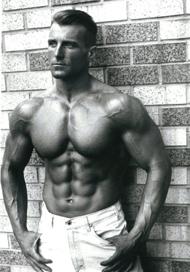
    The professional fitness model is pictured taking off the rubber belt, revealing ripped six pack abs below… as if those abs are a result of wearing the belt! Wishful thinking! These are professional models, folks. They got the abs the same way everyone else with abs got them – with a calorie deficit from a combination of strict diet and hard training!

    Wraps and waist belt products might take off some inches or water weight, but they can’t take off a single ounce of fat. Buyer beware.

    Programs like BurnTheFat.com – Body Transformation System are focused on FAT LOSS, not water loss or loss of inches. When body fat decreases, circumferences in inches will also decrease, but “fat” lost and “inches” lost are not one in the same.

    About the Author:

    Tom Venuto is a lifetime natural bodybuilder, an NSCA-certified personal trainer Tom Venuto 8

    (CPT), certified strength & conditioning specialist

    (CSCS), and author of the #1 best-selling e-book, “Burn

    the Fat, Feed The Muscle.” Tom has written hundreds of

    articles and has been featured in print magazines such as

    IRONMAN, Australian IRONMAN, Natural

    Bodybuilding, Muscular Development, Exercise for Men

    and Men’s Exercise, as well as on hundreds of websites worldwide. For information on Tom’s Fat Loss program, visit: BurnTheFat.com – Body Transformation System. To learn more about Tom’s Fat Loss Support Community, visit: www.Burnthefatinnercircle.com

  • Nutrition Label Lies & Loopholes: Serving Size Sleight of Hand

    Nutrition Label Lies & Loopholes: Serving Size Sleight of Hand

    Title: Nutrition Label Lies & Loopholes: Serving Size Sleight of Hand
    By line: By Tom Venuto
    URL: BurnTheFat.com – Body Transformation System
    Word count: 1432 words

    Nutrition Label Lies & Loopholes: Serving Size Sleight of Hand By Tom Venuto BurnTheFat.com – Body Transformation System

    For years, concerned consumers and watchdog organizations have been screaming that the U.S. labeling laws are full of loopholes and in need of serious revision. After years of talk, the Food and Drug Administration (FDA) says they’re planning to so something about it. But will it be enough?

    There are many food labeling issues we could complain about, but one of the biggest problems (due to its direct relationship to the obesity crisis) is serving sizes.

    I’m not just talking about supersizing. What’s worse is that the actual calories are being disguised with serving size sleight of hand.

    Let me show you some examples:

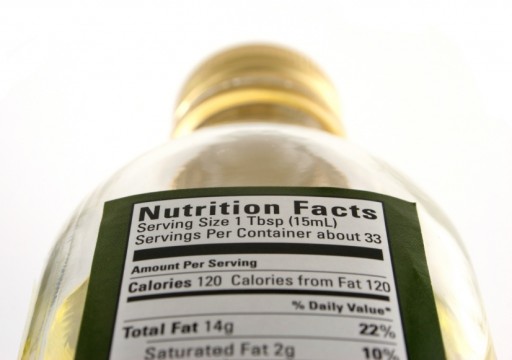
    Tostitos touch of lime. Calories per serving: 150. Not too bad for tortilla chips, eh? Not so fast. Check that serving size: 1 ounce. That’s a whopping 6 chips. There are 10 servings per container. That’s 1500 calories in the bag.

    Most guys could knock off half that bag for a cool 750 calories. Ok, suppose you have some restraint and you only eat a third of the bag (20 chips). You still get 500 calories. But who stops at 6 chips?

    Vitamin Water. While I could rant about how sugar water is being marketed as health food, I’ll stick with the serving size sleight for now.

    The label says there are 50 calories per serving. Wow, only 50 calories! Plus they add all those vitamins. Must be good for you and perfect for dieters, right? Think again. Look at the serving size and servings per container: 8 oz per serving and 2.5 servings per container.

    Excuse me, but is there ANY reason for making it 2.5 servings other than to disguise the actual calorie content?

    When you see that the entire bottle is 20 ounces, you realize that it contains 125 calories, not 50. Although 20 ounces is a large bottle, I don’t know many guys who wouldn’t chug that whole thing.

    Sobe Lifewater? Same trick in their 20 oz bottles.

    Healthy Choice soup, country vegetable. They make these in convenient little microwavable containers with a plastic lid. Just heat and eat.

    It says 90 calories and 480 mg of sodium per serving. Wow, less than a hundred calories. Wait a minute though. Turn the container around and you see the serving size is 1 cup and the servings per container says “about 2.”

    Huh? It looks pretty obvious to me that this microwave-ready container was designed for one person to eat in one sitting, so why not just put 180 calories per container on the label (and 960 mg of sodium). I guess 90 calories and 480 mg sodium sounds… well… like a healthier choice!

    Ben and Jerrys chocolate fudge brownie ice cream.

    This infamously delicious ice cream with its own facebook fan page has 270 calories per serving.

    We all know ice cream is loaded with calories and should only be an occasional treat, but 270 calories per serving, that’s not too terrible is it?

    Look a little closer at the label. The serving size is ½ a cup. Who eats a half a cup of ice cream? In fact, who hasn’t polished off a whole pint by themselves? (the “comment confessional” is below if you’d like to answer that)

    According to Ben and Jerry, there are 4 servings in that one pint container. 270 calories times 4 servings = 1080 calories! That’s about half a days worth of calories for an average female.

    I could go on and on – crackers, chocolate chip cookies, muffins, pasta, boxed cereals (who eats ¾ cup of cereal), etc. But I think you get the point.

    What’s the solution to this mess? News reports in the last week say that the FDA may be cracking down. Count me among those who are pleased to hear this news. One of their ideas is to post nutritional information, including the calories, on the FRONT of the food labels.

    The problem is, this move by itself could actually make matters worse. Suppose Tostitos started posting “150 calories per serving” right on the front of the bag. Most people would assume the chips were low in calories. Putting calorie info on the front of the label would help only if it clearly stated the amount of calories in the entire package or in a normal human-sized serving!

    Ah, but the FDA says they’re on top of that too. They also want to standardize or re-define serving sizes. Sounds great, but there are critics who say that consumers would take it as approval to eat larger servings so the strategy would backfire.

    Suppose for example, the government decides that no one eats ½ a cup of Ben and Jerry’s so they make the new serving size 1 cup, or half the pint-sized container. Now by law the label says 540 calories per serving instead of 270. Is that like getting official permission to eat twice as much?

    I’m not against the FDA’s latest initiative, but what we really need is some honesty in labeling.

    Food manufacturers should not be allowed to manipulate serving sizes in a way that would trick you into thinking there are fewer calories than there really are in a quantity that you’re likely to eat.

    It would be nice to have calories for the entire package listed on the label at a glance. A new rating scale for caloric density would be cool too, if it could be easily interpreted. It would also be nice to have serving sizes chosen for quantities that are most likely to be commonly eaten. But standardization of serving sizes for all types of foods is difficult.

    My friends from Europe tell me that food labels over there are listed in 100g portions, making comparisons easy. But when you consider how much each individual’s daily calorie needs can vary (easily 3-fold or more when you run the gamut from totally sedentary to elite athlete, not to mention male and female differences), standardization that applies to everyone may not be possible.

    I think the recent laws such as requiring calories on restaurant menus are a positive move that will influence some people’s behavior. But no label changes by themselves will solve the obesity crisis. A real solution is going to have to include personal responsibility, nutrition education, self-discipline, hard work and lifestyle change.

    Changes in the labeling laws won’t influence everybody because the people most likely to care about what labels say are those who have already made a commitment to change their lifestyles (and they’re least likely to eat processed and packaged foods – that have labels – in the first place). Actually, for those who care, all the info you need is already on the labels, you just have to do a little math and watch out for sneaky label tricks.

    There’s one true solution to this portion distortion and label lies problem: Become CALORIE AWARE. Of course that includes educated label reading, but it goes much further. In my Burn the Fat, Feed the Muscle – Body Transformation system, here is how I define “calorie counting:”

    1. Get a good calorie counter book, chart or electronic device/software and get to know the calorie counts of all the staple foods you eat on a daily basis. Look up the calorie values for foods you eat occasionally.

    2. Always have a daily meal plan – on paper – with calories printed for each food, each meal and the day. Use that menu as a daily goal and target.

    3. Educate yourself about average caloric needs for men and women and learn how to estimate your own calorie needs as closely as you can based on your activity, weight, body composition, height, gender and age.

    4. Get a good kitchen food scale and use it.

    Keep counting calories and doing nutrition by the numbers until you are unconsciously competent and eating the right quantities to easily maintain your ideal weight becomes second nature.

    Obviously, saying that calories are all there is to nutrition is like saying that putting is all there is to golf. Calorie quality and quantity are both important. However, it’s a mistake to ignore the calorie quantity side of the game. Serving sizes matter and even healthy foods get stored as fat if you eat too much..

    You can play “blindfolded archery” by guessing your calories and food portions if you want to. Hey, you might get lucky and guess right. Personally, I wouldn’t recommend depending on luck – or the government – for something as important as your body and your health. I would recommend the personal responsibility, nutrition education, self-discipline, hard work and lifestyle change…

    Tom Venuto, author of Burn the Fat, Feed the Muscle Body Transformation system

    Founder & CEO of Burn The Fat Inner Circle Burn the fat inner circle

    About the Author: Tom Venuto 8

    Tom Venuto is a fat loss expert, lifetime natural (steroid-free) bodybuilder, freelance writer, and author of the #1 best selling diet e-book, Burn The Fat, Feed The Muscle Now Burn the Fat Body Tansformation System : Fat-Burning Secrets of The World’s Best Bodybuilders & Fitness Models (e-book) which teaches you how to get lean without drugs or supplements using secrets of the world’s best bodybuilders and fitness models. Learn how to get rid of stubborn fat and increase your metabolism by visiting:

    Burn the Fat, Feed the Muscle- Body Transformation system

    or

    BurnTheFatInnerCircle.com

  • Rieducazione Del Ginocchio Dopo Operazione Di Ricostruzione LCA – La Mia Esperienza

    Rieducazione Del Ginocchio Dopo Operazione Di Ricostruzione LCA – La Mia Esperienza

    Ricostruzione LCA
    Rieducazione Kinetec

    Titolo: Rieducazione Del Ginocchio Dopo Operazione Di Ricostruzione LCA – La Mia Esperienza

    Autore: Piero Maina

    Conteggio Parole: 2.399

    Riprendiamo con questo articolo da dove ci eravamo lasciati  e cioè dopo l’operazione di ricostruzione del legamento crociato anteriore (LCA). Argomento che è stato trattato ampiamente in questo mio precedente articolo. (Clicca qui per l’articolo)

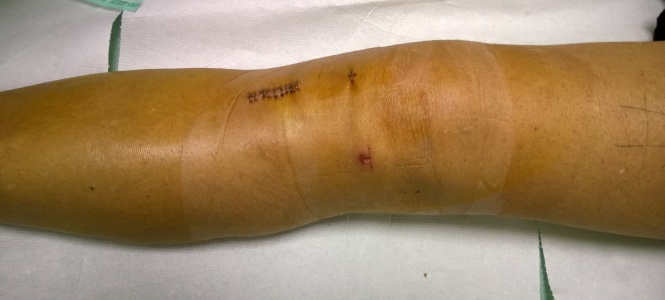
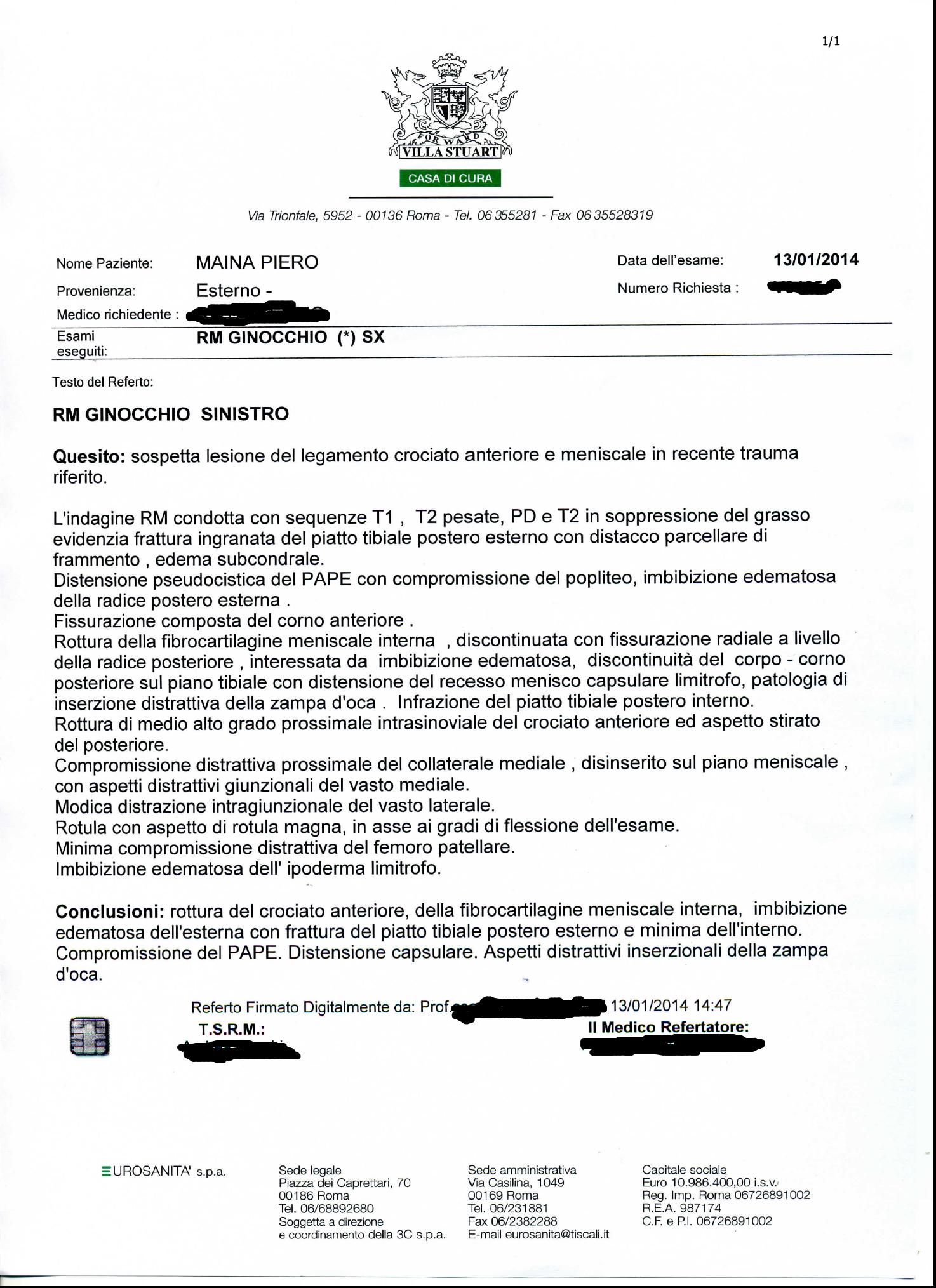
    L’ articolo in questione racconta maggiormente come si è svolta l’operazione di ricostruzione dell’ LCA che nel mio caso ha interessato anche la regolarizzazione del menisco mediale sinistro nel corno posteriore e ho parlato anche del primo approccio rieducativo che ho effettuato presso la casa di cura Villa Stuart di Roma. Oggi siamo quasi a cinque mesi dall’intervento e le cose vanno senz’altro meglio anche se durante il periodo trascorso dalla pubblicazione del precedente articolo ad oggi ho avuto altri incidenti di percorso e infortuni che hanno reso le cose già di per se non troppo semplici, ancora più complicate. Ci eravamo lasciati in trentesima giornata circa, per differenza quindi abbiamo cento giorni di rieducazione da prendere in esame, premettendo come mio solito che ogni fisico e persona reagisce in maniera diversa, oltre allo stato di forma che uno possiede, l’età e l’impegno dedicato. Ma guardiamo la MIA esperienza.

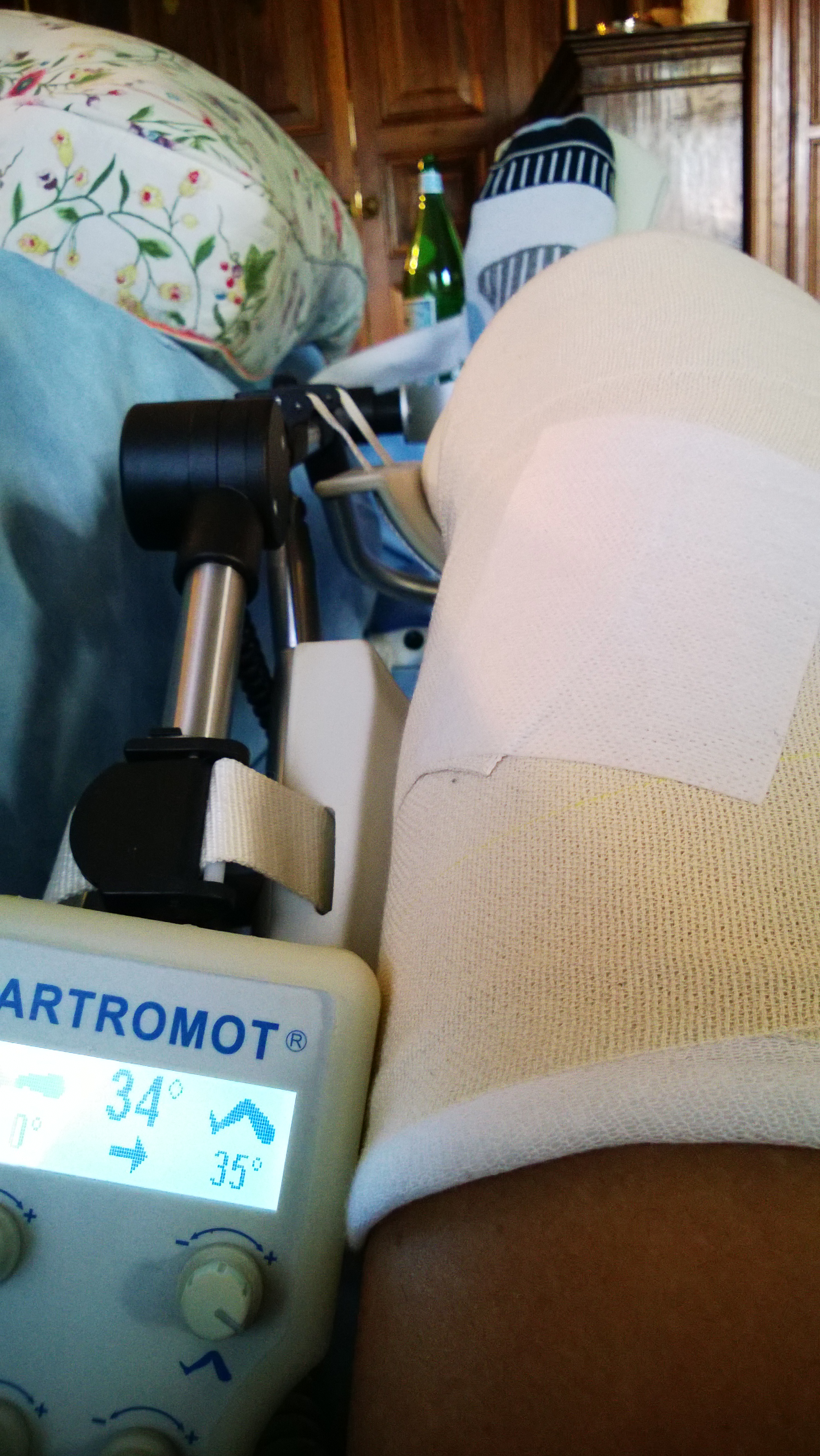
    I primi trenta giorni nella rieducazione attiva, sono stati maggiormente spesi sugli esercizi isometrici, tesi soprattutto ad “asciugare” il ginocchio, a recuperare l’estensione che è molto più importante del piegamento. Sono senz’altro importanti tutt’e due, ma mentre il piegamento potrà essere recuperato nel tempo gradualmente, se avremo un deficit in estensione, ne risentiremo maggiormente nella nostra deambulazione.  Oltre agli esercizi isometrici da sdraiato con cavigliera da 1Kg/2 Kg, (che nel tempo diventeranno 4 Kg/5 Kg) abbiamo cominciato ad introdurre la camminata lenta su tapis roulant. Molto importante in questo caso è imparare nuovamente ad appoggiare correttamente il piede sul terreno che per forza di cose, non sarà proprio corretto. Ci sarà un atteggiamento difensivo, sia per il dolore che per la paura, oltre ad una effettiva incapacità dovuta anche ad un cambiamento nella propriocettività e ad una vera e propria fatica a distendere la gamba infortunata. Pertanto lo scopo era di imparare nuovamente ad appoggiare il tallone della gamba operata  sul terreno e farlo “rullare” fino alla punta. Questo processo che all’inizio risulterà a seconda dei casi un po’ scomodo, diverrà via, via più naturale. Di solito entro il secondo mese dall’intervento, si abbandona la rieducazione motoria in acqua/piscina, ma nel mio caso ho protratto per due volte a settimana il lavoro in acqua fino a fine Aprile e quindi a oltre tre mesi dall’operazione. Il mio ortopedico, Dr. Prof.  Attilio Rota, primario del reparto ortopedia dell’ospedale Sandro Pertini di Roma, ha voluto un protocollo più conservativo e che premiasse maggiormente il recupero nella mobilità e flessibilità, piuttosto che della massa muscolare e della forza. Lui ha sempre sostenuto che muscolarmente ero avanti con i tempi, a discapito della mobilità. Ha sempre detto, con ragione, che una volta a posto con l’articolazione, sviluppare nuovamente la massa muscolare avrebbe richiesto tempi corti e con meno rischio di compromettere sia lo stato di salute che delle “performances” del ginocchio stesso. Quindi ho passato i tre mesi, (Febbraio, Marzo e Aprile) a Villa Stuart suddividendo i cinque giorni in tre giorni di lavoro a secco in palestra e due giorni in piscina per mobilità a gravità ridotta.

    Vediamo meglio in cosa consisteva il mio protocollo a secco, che non è praticamente mai cambiato, se non per l’intensità degli esercizi e anche del carico e magari nell’ultimo mese, si è abbandonata maggiormente l’isometria per far posto al potenziamento e alla propriocettività.

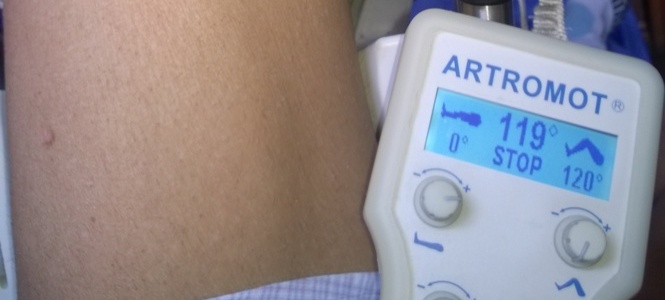
    Quindi, dal secondo mese, arrivavo in palestra e cominciavo con 15/20 minuti sulla cyclette della Technogym con freno che nei primi giorni lasciavo a 1 e poi nel tempo ho portato anche a 12 su una scala che arriva a 25. Come ho già scritto qui non dobbiamo lavorare come se gli arti fossero sani e pertanto la potenza sviluppata in watt non sarà elevatissima. Nelle prime sedute sviluppavo da 30 a 70 watt e nelle ultime sedute di fine aprile ho superato i 220 watt, per brevi periodi, anche perché il fiato era corto, ma niente a che vedere con quanto sviluppavo prima dell’incidente. Dopo la prima fase di  riscaldamento sulla cyclette passavo all’ercolina,(cavi) che attaccavo  alla caviglia della gamba infortunata e con i pesi che ho aumentato nel tempo, (5Kg/7 Kg all’inizio e 16 kg negli ultimi giorni) facevo a gamba tesa le estensioni sui quattro lati. 4 serie x 20 ripetizioni. Dopo passavo alla pressa inclinata a 45° e in questo caso siamo partiti con 30kg solo sulla gamba infortunata, per arrivare nel tempo a 60 kg. 5 serie X 20 ripetizioni. Di seguito facevo dei semi squat con la Swiss Ball dietro la schiena, appoggiata ad una colonna, 3 serie x 20 ripetizioni per continuare con le tavolette propriocettive di varie forme e con vari punti di appoggio. Mi esercitavo rimanendo in equilibrio su un solo piede, (gamba operata) o per due minuti in squat/accosciato, spingendo da un piede all’altro su pedana instabile circolare; durissimo! I quadricipiti urlavano vendetta. Poi tornavo a correre sul tapis roulant, ma questo è avvenuto dal mese di marzo  (alternavo il passo alla corsa, partendo da 8 km/h e negli ultimi tempi arrivavo anche a 12 km/h. Facevo 1 minuto al passo e 2 di corsa per 15 minuti. La camminata era fra i 4 e i 6 Km/h con inclinazione a 4°/6°) e solo sul tapis roulant. Su strada ho ricominciato l’altro ieri, (10 giugno) alternando il passo alla corsa per 25 min. e poi passo fino a completare un ‘ora di esercizio, non corro ancora, ovviamente, per un’ora intera e il ginocchio sotto il menisco  mediale operato, ancora “punge” in certi momenti, ma poi passa e il ginocchio è bello asciutto.

    Tornando agli esercizi in palestra, dopo la corsa facevo l’ellittica o glidex , con freno a 12 su una scala massima di 25, per 12/15 min senza appoggiare le mani ai sostegni mobili e ritmi di 160/200 per minuto. Finivo con la leg extension, partendo da metà corsa, in modo da non sovraccaricare il neo legamento ed effettuavo vari esercizi di potenziamento del vasto mediale e vasto laterale, con contrazioni di vario tipo.  4 serie da 20 ripetizioni con 15 kg. Poi stretching e ghiaccio e per finire un bel massaggio!

    Tempi di allenamento tutto compreso, circa due ore e mezza, mentre in piscina i tempi di esercizio erano inferiori, circa un ora e mezza.

    A casa mi allenavo con il P90X nel pomeriggio per tre volte a settimana e il mio ortopedico visto come stavo progredendo mi ha detto che potevo cominciare ad allenarmi da solo e di non andare più a Villa Stuart. Quindi ho ricominciato ad uscire in Mountain Bike (MTB), ma il 15 maggio scorso, sono caduto fratturandomi il gomito sinistro, per l’esattezza il capitello radiale. Sempre a sinistra. Non contento, durante il periodo di immobilizzazione totale che è avvenuto tramite tutore Donjoy, si è formata una tromboflebite venosa superficiale (per fortuna) nella vena mediale del gomito sull’avambraccio e ora sto prendendo forti dosi di eparina (clexane 8.000 U.I. X 2 al giorno). Questi due incidenti, naturalmente hanno rallentato completamente i miei tempi di recupero, perché adesso oltre alla gamba sono infortunato anche nel braccio. Ho continuato ad allenare gli addominali e a fare quello che potevo con il braccio destro. Ad oggi ho ancora dolore, ma da due giorni ho ricominciato ad uscire in MTB e a corricchiare, con le dovute attenzioni. Fermo ancora con i pesi, intanto potenzio le gambe e sabato farò le radiografie di controllo per vedere se la frattura si è saldata correttamente. Porto poi un bracciale compressore per la circolazione sanguigna nel braccio sinistro e spero di riuscire a recuperare la vena. Anche perché nel mese di aprile di trombosi ne ho avuta un’altra, sempre nel braccio sinistro, sempre superficiale nella vena cefalica del bicipite sinistro  e avevo già preso clexane (8.000 U.I. x 2 al giorno) per trenta giorni. Questa tromboflebite si è formata in seguito a una RMN (Risonanza Magnetica Nucleare) con liquido di contrasto e visti i miei trascorsi (l’articolo qui) con le trombosi, si è pensato che abbia qualche problema di coagulazione, ho effettuato uno screening tromboflebitico ed in effetti ho una mutazione genetica dell’ MTHFR – A1298C che è mutato in eterozigosi. Ma sia il C677T che l’omocisteina sono normali e così il fattore V di Leiden e tutti gli altri marcatori. Quindi non sembra una situazione gravissima, ma sono candidato all’assunzione quotidiana di cardioaspirina e a trattamenti anticoagulanti preventivi, in caso di lunghi viaggi in aereo, operazioni chirurgiche o immobilizzazioni degli arti per lunghi periodi. Anche su questo aspetto è bene chiarire perché ogni medico per l’esattezza angiologi, dice la sua e c’è chi dice di prendere la cardioaspirina,chi dice che nel mio caso non serve a nulla, chi dice che avendo l’omocisteina normale, la mia non è una situazione di persona che sviluppa trombosi. Mettetevi d’accordo, qui non parliamo di bastoni da golf, ma della salute di persone.

    Rimaniamo in tema con la rieducazione. Il recupero in acqua invece è servito a rieducare il ginocchio senza la forza di gravità che si avverte a secco in palestra e quindi la piscina è una vera manna per chi deve recuperare da un infortunio che ci ha lasciato immobilizzati per un certo periodo. Sia esso un intervento ai legamenti, che alla spalla, anca, gomito, etc. Come ho scritto sopra, ho passato due mesi e mezzo in piscina, al contrario di altri pazienti che avevano cominciato con me, ma dopo il primo mese sono stati dirottati alla sola rieducazione a secco. Pareri discordanti e protocolli differenziati, da medico a medico. E ripeto che sono un atleta e anche in forma, nonostante l’età e ho visto quindi pazienti senza dubbio meno in forma e con muscolatura poco allenata lasciare la piscina anzi tempo. Vedremo nel tempo i risultati.

    Il mio ginocchio sta bene e ora sto ritornando piano, piano all’attività normale, farò qui di seguito il punto dopo l’estate, visto che saranno trascorsi otto mesi che per la ricostruzione dell’ LCA con tecnica S+G (Semitendinoso + Gracile) è il tempo per il pieno recupero che si estende fino a due anni per il consolidamento dell’intervento e del neo legamento. La vera prova del nove comunque, l’avrò quando rimetterò gli sci ai piedi, sia per le sensazioni nelle gambe, ma anche per l’aspetto psicologico, visto che scio da sempre e questa volta, mi sono infortunato così gravemente, non facendo allenamento in gigante/super G, ma in una discesa normalissima, in una situazione altrettanto normale e mi chiedo quindi se saprò scendere ancora con la stessa disinvoltura .

    Eccoci qui, gli sci sono stati rimessi ai piedi durante le scorse vacanze Natalizie e problemi non ne ho avuti. Non ho fatto allenamenti o altro, ma le curve le ho tirate come al solito, senza esagerare e per brevi tratti, ma come potete vedere dalla foto pubblicata qui sotto, sembra tutto normale. La mia stagione invernale per quest’anno si limiterà ad un’altra uscita durante le prossime vacanze Pasquali, neve permettendo e basta. Sono tornato a giocare a golf a tempo pieno e non ho voglia di rischiare altri infortuni ora che la stagione entra nel pieno e quindi, anche se a malincuore non ho fatto uscite con lo sci club , né settimane bianche di allenamento e per quest’anno va bene così. Ora parliamo un po’ della rieducazione vera e propria.

    Piero Crans Montana 2015
    Piero Gennaio 2015 – Clicca sull’immagine per Ingrandire

    Il ginocchio a tredici mesi di distanza dall’intervento, si presenta in buono stato, non è gonfio, né si gonfiava dopo allenamenti di running o durante gli squat con carichi medio pesanti, né durante l’attività sciistica che ho svolto senza l’ausilio di tutori e questo è buono. L’unica nota che stona è invece un rumore di click-  clack, che sembra provenire da sotto la rotula e che prima non sentivo, almeno non in maniera così marcata. La sensazione è proprio come se tibia e femore slittassero una sopra l’altro e andassero ad incastrarsi; non  c’è dolore e non avviene sempre, lo sento di più quando distendo e quindi, visto che gioco a golf, lo sento durante il passaggio impatto/finish e anche quando in campo cammino su pendii non in piano. Ho segnalato la cosa agli ortopedici, ma dicono che sia normale e la tenuta/lassità dei legamenti alle varie prove manuali è buona e come ho scritto sopra non ho problemi di sorta, ma questo click- clack prima non c’era.

    Ad oggi faccio ancora fatica ad arrivare a toccare con i talloni i glutei, o meglio con la sola gamba destra che è quella sana, arrivo senza alcun problema e vado anche oltre, mentre se provo ad inginocchiarmi e ad abbassare i glutei verso i talloni, all’inizio sento sia tirare che un leggero dolore e mano/mano che si scalda mi avvicino sempre di più, ma non tocco ancora completamente. Peggio succede da in piedi quando afferro il  piede sinistro con la mano e provo a tirarlo verso il gluteo. Devo inchinarmi in avanti per prendere il collo del piede e subito c’è resistenza per poi piano, piano cominciare a cedere e arrivare vicino al gluteo, ma anche in questo caso manca ancora un pochino. Va molto meglio rispetto a qualche tempo fa e probabilmente le cose miglioreranno ulteriormente nei mesi seguenti, ma al momento è così.

    Concludendo, sto rifacendo tutto, senza grossi problemi, alleno le gambe facendo squatdeadlift  e leg extension, oltre a correre, andare in bici e tutte le normali attività compresi balzi e cambiamenti di direzione veloci, ma il ginocchio non è più sicuramente quello di una volta. Inoltre va considerato anche che non ho avuto solamente l’intervento al crociato anteriore e menisco mediale, ma avevo lesioni anche agli altri legamenti e al piatto tibiale, ma non avendo il ginocchio che si gonfia né altri dolori forti, la situazione non è malvagia, salvo quel click – clack che spero in futuro non si riveli come processo degenerativo delle cartilagini e di non sviluppare artrosi del ginocchio, anche perché essendo sportivo, non posso dire di lasciarlo inattivo. Quindi a chi si trova nella stessa situazione, raccomando di eseguire la fisioterapia post intervento con la massima diligenza e impegno e di protrarla il più a lungo possibile, così come il potenziamento di tutti i muscoli della gamba che aiuteranno a supportare meglio l’attività del ginocchio e tutto tornerà in molti casi come prima o molto vicino a prima. E questo ve lo dice uno che non è nemmeno più giovanissimo!

    In bocca al lupo per tutto!

    © Copyright Piero Maina – All Rights Reserved

  • It’s Not About the Body Fat

    It’s Not About the Body Fat

    Title: It’s Not About the Body Fat                                                                                                               By line: By Tom Venuto, CSCS, NSCA-CPT
    URL: www.BurnTheFat.comWord count:  860 words

    It's Not About the Body Fat


    It’s Not About the Body Fat By Tom Venuto www.BurnTheFat.com

    How they lost 100 lbs or more is a topic that always gets a lot of attention and is very popular  in the media.  Whenever someone loses a lot of weight, there is always buzz from those who were inspired by hearing about these huge body fat losses and before/after transformations. I was inspired, too. But sometimes I think we focus too much on the almighty scale and body fat percentage and forget about something even more important…

    Your Health.

    Health is what psychologist Abraham Maslow called a deficiency need, which means that when you’ve lost it, getting it back is the only thing in the world that matters.

    Unfortunately, two corollaries to this theory of human motivation are:

    1.  Most people won’t lift a finger to improve their health until something bad happens (they have to hit “rock bottom” to change), and

    2. When you’ve got your health, you tend to take it for granted.

    That’s why we need constant reminders to keep our focus on health and keep health right on top of our list of life values.

    As you remind yourself of the importance of your health every day, it also pays to consider how you define it.

    Fitness and transformation icon Shawn Phillips, author of Strength for Life, says that if your definition of health is merely the absence of disease, then subconsciously, the mere absence of disease means you’ve achieved your “goal.”

    Therefore, you feel no motivation and no need to move above and beyond that and strive towards…

    “A life of ABUNDANT energy, vitality and strength.”

    We NEED these reminders.

    That’s why I get such a thrill when people send me success stories that are not just about the scale and body fat percentage, but ALSO about health and what that new-found health has done for a person’s life.

    A Before and After Success Story You Don’t See Every Day (But Should)

    For example, this success story comes from Burn The Fat reader Craig B:


    “Tom, I visited my Dr. today and he was stunned at the change in my blood results. Check out this before and after:Cholesterol/Total 232 before 121 after

    Triglycerides 185 before 87 after

    HDL (good cholesterol) 32 before 41 after

    VLDL (bad cholesterol) 40 before 17 after

    Total cholesterol/HDL ratio 5.63 before 3.0 after (I dropped from 2X average risk to less than HALF average risk!)

    TSH 4.8 before 2.1 after

    CRP 3.90 before 1.02 after (I moved from High risk to Low risk.)

    I have burned 34lbs of fat and put on 7lbs of lean muscle.

    I have moved from 40% body fat to 32.9% (My scale may be off, but I am hoping to verify those  body fat % measurements with a dunk test during my next visit to S.F. or Portland.)

    The doctor, in short, was blown away with the results.

    I have tried Atkins, Protein Power, Lindora (medical weight control), each of these over the years and probably too many others to mention. Never have I felt this empowered and well  armed with information and insight.

    When I was not getting the results the math would have me believe, I had the tools and community support to explain what Beta Blockers do to cardio and metabolism then took that insight to my doctor and he has reduced and changed those meds.

    I am now off statins all together as of today!

    I have a ways to go to reach my final goal of 10% body fat,  but I have the tools and I can accomplish it. I am, as you suggested, putting the date when I achieve it in pencil,  but the 10% BF is in ink. I will get there.

    It is amazing how empowering feeling good and controlling  your blood chemistry through nourishment (both physiological and physical) and being consistent with the hard work in  the gym and changing to a new lifestyle.

    Thanks Tom – you are helping a lot of people, clearly. I will be telling anyone about the book and the Burn the Fat website that has any questions or looking for answers.”

    Gaining muscle and losing fat is nice, but what could be better than gaining muscle, losing fat AND feeling your health, energy and vitality skyrocket!

    As Craig shows us, tracking your health improvements, not just what you weigh, gives you another source of tremendous motivation and a feeling of empowerment.

    You realize that you are in control of your body.  You are the maker and master.

    One final thought: It’s a misconception that the “bodybuilding” lifestyle is in some way not healthy or doesn’t dramatically IMPROVE your health

    Nothing could be further from the truth, as Craig’s results prove. Craig was not just doing aerobics – he was pumping iron and feeding the muscle, not starving himself.

    If you do ANY kind of resistance training, you ARE a “body-builder” and a “health-builder.”

    When you do NATURAL bodybuilding, it’s about looking great AND getting healthier. That’s how I do it – naturally – and that’s how I encourage others to do it in my Burn the Fat programs.

    Train hard and expect success!

    Tom Venuto, author of Burn The Fat Feed The Muscle
    Now Burn the Fat Body Tansformation System www.BurnTheFat.com
    Founder & CEO of Burn The Fat Inner Circle Burn the fat inner circle

    About the Author:

    Tom Venuto is the author of the #1 best   seller, Burn the Fat, Feed the Muscle:   Fat Burning Secrets of the World’s Best Bodybuilders and Fitness Models. Tom   is a lifetime natural bodybuilder and fat loss expert who achieved an   astonishing 3.7% body fat level without drugs or supplements. Discover how to   increase your metabolism and burn stubborn body fat, find out which foods burn   fat and which foods turn to fat, plus get a free fat loss report and mini course   by visiting Tom’s site at: www.BurnTheFat.com

  • Lesione Del Legamento Crociato Anteriore (LCA) e Operazione Di Ricostruzione: La Mia Esperienza

    Lesione Del Legamento Crociato Anteriore (LCA) e Operazione Di Ricostruzione: La Mia Esperienza

    Lesione Del Legamento Crociato Anteriore (LCA)
    Ginocchio operato Piero

    Titolo: Lesione Del Legamento Crociato Anteriore (LCA) e Operazione Di Ricostruzione: La Mia Esperienza

    Autore: Piero Maina

    Conteggio Parole: 2.934

    Ciao a tutti, è un po’ che non scrivo e di solito negli ultimi tempi ero solito raccontare le novità nel campo del fitness e della forma fisica o della scienza dell’alimentazione o le novità in vista della preparazione a gare di fitness, ma ahimè, il giorn0 11 gennaio 2014 mi sono infortunato malamente sciando e ho riportato la lesione con rottura completa del legamento crociato anteriore (LCA), rottura del menisco mediale, compromissione del legamento crociato posteriore, compromissione del legamento collaterale mediale e frattura del piatto tibiale posteriore nel ginocchio sinistro. Beh, non male! La caduta non è stata rovinosa, nel senso che non ho fatto capriole con gli sci attaccati ai piedi, ho preso un’ “internata” e invece di scivolare via o di rimanere in piedi sullo sci interno, come di solito può accadere, forse a causa del fondo con neve artificiale, gli sci sono partiti verso monte e io mi sono sdraiato sulle code con il sedere attaccato agli scarponi e le ginocchia in alto e ho cercato di contrastare la caduta, anche perché stavo per dare il “giro”, come si dice in gergo e quindi mi aspettavo il peggio. Invece dopo una quarantina di metri fatti con la schiena sulla neve, sono riuscito a recuperare e a tornare in piedi, ma il legamento crociato anteriore non c’era più. Ho terminato la pista 200 mt. sotto sulle mie gambe, ma sentivo oltre al dolore, che qualcosa era successo, mi sentivo come ubriaco e non capivo veramente niente. Era la prima discesa della giornata del primo giorno della settimana bianca che ero andato a fare per allenarmi, ma arrivavo da dieci giorni sciati fino alla settimana precedente ed in formissima fisicamente e atleticamente, oltre ad essere un bravo sciatore con un passato di gare e che ancora si allena sugli sci. E’ vero che gli sci non rispondevano su quel fondo artificiale ed essendo la prima discesa, forse avrei fatto bene a scendere più tranquillo, ma la pista non aveva gobbe o altro, ho padronanza degli sci visto che scio da oltre quarant’anni ed è inutile andare a fare analisi post incidente, doveva succedere, è successo e ora si guarda avanti cercando di recuperare ginocchio e forma al meglio e prima possibile. Tornando al dopo incidente, oltre a pensare che quello che era successo aveva del grottesco, per il modo e la gravità, non volevo pensare al peggio. Ho chiamato un mio amico che avevo appena lasciato in cima alla pista, dicendogli che mi ero fatto male seriamente, ma che ero in piedi e l’avrei raggiunto alla telecabina per scendere a valle e di aspettarmi alla partenza. Nel frattempo ho provato a spingere le tibie sul linguettone degli scarponi e vedevo che stavo in piedi, ma se provavo a fare dei passi, mi sentivo “strano”, ancora non sapevo. Quando ho provato a rimettere gli sci e ho dato pressione sulle talloniere, la gamba sana non ha avuto problemi, mentre quando ho dato pressione con la gamba infortunata, ho avvertito una sensazione spiacevolissima che non scorderò mai più, la tibia è andata da una parte e il femore dall’altra; terribile! Ho chiamato subito il mio amico dicendo che era impossibile raggiungerlo  e da lì sono arrivati quelli del soccorso. La diagnosi è quella che ho scritto sopra e la mia settimana bianca è durata 10 minuti. Settecentocinquanta chilometri di viaggio per mezza pista, e altrettanti per tornare indietro la mattina dopo e grazie al fatto che la gamba infortunata era la sinistra e ho il cambio automatico, sono riuscito a rientrare guidando da solo. Questo il racconto sul come, adesso vediamo cosa è successo una volta rientrato a Roma.

    RMN Villa Stuart
    Clicca sull’immagine per ingrandire

    Ho effettuato la visita ortopedica che naturalmente ha evidenziato alle prove manuali quello che avevo avvertito rimettendo gli sci e che era già stato riscontrato al pronto soccorso di Brunico. Confermato poi dalla RMN con il referto che ho postato sopra e che metto in originale qui a fianco nella foto. Vista la situazione del mio ginocchio, abbiamo rimandato l’operazione di dieci giorni, anche per fare riassorbire in parte l’edema e vedere come rispondeva il ginocchio. Ho indossato un tutore post operatorio Don Joy e ho aspettato la settimana seguente. Visita lunedì 20 gennaio 2014 e operazione confermata per giovedì 23 gennaio 2014. Visto il fatto che sono ancora un atleta in attività, il mio ortopedico che è il Dr. Prof.  Attilio Rota, primario del reparto ortopedia dell’ospedale Sandro Pertini di Roma, mi ha comunicato che pensava di operarmi utilizzando per la ricostruzione dell’LCA, il tendine rotuleo, in funzione della sua esperienza ventennale e che ancora preferiva per atleti che sottopongono a grossi carichi il ginocchio. Ma mi disse anche che in sede di operazione, se non avesse ritenuto le condizioni idonee, avrebbe utilizzato la tecnica di ST (Semitendinoso) + Gracile che oltretutto presenta alcuni pro rispetto al rotuleo. E questo è avvenuto. Non  ha ritenuto ideale la situazione e ha preferito ricostruire utilizzando ST + G. Oltretutto ho i tendini molto grossi e quindi è molto soddisfatto, infatti mi ha detto che ha usato per bucare tibia e femore una punta del 10 e ha poi messo viti dell’11 e mi dice che non capita molto spesso. Mediamente utilizza viti dell’8 e 9 e nei casi maggiori del 10. Ho potuto vedere l’operazione dalla chiavetta USB che mi ha dato e in effetti il ginocchio ha preso una brutta botta e questa è una situazione di partenza più invalidante rispetto a chi arriva con la sola rottura dell’LCA , inoltre sono stato operato anche al menisco mediale.

    Ora vi racconto com’è andata, di modo che possiate trovare informazioni utili:

    Mi sono operato la mattina del 23 gennaio e mi sono presentato in clinica alle 7 e 30 a digiuno, avevo già effettuato gli esami del sangue e l’elettrocardiogramma lunedì 20 e così ho risparmiato tempo. Espletate le operazioni amministrative (mi sono operato in clinica perché assicurato), mi hanno accompagnato in camera, non ho avuto bisogno di depilazione perché avevo già le gambe depilate, ma la prassi per chi ha i peli è di vedersi depilare la gamba. E’ entrato il dottore verso le 8 e 30 e mi ha fatto le solite domande di rito su malattie pregresse, fratture, operazioni, etc. Alle 9 mi hanno portato in sala operatoria e hanno cominciato a farmi l’anestesia, hanno utilizzato l’anestesia locale con tecnica bi-block, addormentandomi la sola gamba, dal piede all’inguine. Sensazione molto strana, perché iniziano dal polpaccio ed è come utilizzare un elettrostimolatore per trovare i nervi. (chi ha già provato, conosce la sensazione) Dolore sopportabile all’inserimento dell’ago, ma si avverte un primo dolore che diminuisce mano, mano. Poi procedono con una puntura dall’inguine, sempre con la stessa procedura delle contrazioni muscolari e poi una nel gluteo e la gamba comincia ad addormentarsi. Mi hanno dato anche un altro sedativo che mi ha mezzo rimbambito e sono entrato in sala operatoria verso le 9 e 20. La gamba era addormentata, ma io sentivo senza dolore apparente (anche se non vedevo niente perché avevo un telo davanti), tutti gli strumenti che mi toccavano il ginocchio e poi le “manovre” che mi venivano praticate che se non avessi avuto la gamba anestetizzata, probabilmente mi avrebbero fatto provare dolori inenarrabili. Alle 9 e 30 è iniziata l’operazione e io potevo vedere il mio ginocchio dal monitor, ma mi sentivo veramente rimbambito dall’anestesia che mi avevano dato oltre alla “locale” nella gamba e “sentivo” il lavoro all’interno. Così hanno deciso di addormentarmi completamente e mi sono perso il resto dell’operazione. Come ho scritto sopra, è stato utilizzato il Semitendinoso e il Gracile quadruplicato e i miei tendini donati sono molto grossi. Avevo chiesto al mio ortopedico Dr. Attilio Rota, cosa ne pensasse della donazione da cadavere, ma lui me l’ha sconsigliato, così come il tendine artificiale LARS. Lui non li utilizza, né lo utilizzano il 90% dei chirurghi al top nel mondo e quindi lui non era e non è disposto ad operare diversamente. E’ uno specialista del ginocchio e compie ricostruzioni del crociato al ritmo di 100/150 crociati all’anno da vent’anni e credo quindi che abbia l’esperienza per parlare. Alle 11 e 40 sono rientrato in camera. Mi sono risvegliato da subito e avevo il tutore bloccato completamente a zero gradi, la gamba era totalmente addormentata e avevo l’antidolorifico che attraverso la flebo faceva il suo dovere. Il contenuto era toradol più morfina ed è durato circa 30 ore. Mi hanno somministrato sempre tramite flebo un antibiotico ogni 12 ore. La prima notte è stata pesantuccia, la gamba ha cominciato a risvegliarsi partendo dal piede poco dopo la mezzanotte e naturalmente dormire non è stato semplice, visto che sono abituato a dormire sul fianco, ma qui era impossibile. Dovevo dormire supino, sulla schiena, ma ogni tanto dovevo spostarmi per far respirare glutei e schiena e in quel caso il ginocchio si faceva sentire. Sentivo sia il peso delle lenzuola sui piedi che il dolore nella parte posteriore della gamba, nella zona dove erano stati prelevati i tendini per la ricostruzione del neo legamento. Dolori presenti, ma sopportabili. Considerate che dalla mattina successiva, la gamba ha cominciato a risvegliarsi sempre più, ma grazie al toradol e morfina, il dolore era sopportabile. Avevo il drenaggio nel ginocchio con un tubicino che usciva dal buco dell’artroscopia  e ho sentito che avevo perso circa 150 ml di sangue la prima notte e andava bene. Nel pomeriggio del giorno successivo all’operazione, ho provato ad alzarmi, con il tutore bloccato e con il drenaggio. Mi sono seduto sul bordo del letto e poi con l’aiuto delle stampelle (canadesi), mi sono alzato in piedi, ho fatto pochi passi nella stanza e poi sono tornato a letto. Qui i protocolli differiscono da medico a medico e da paziente a paziente, più avanti vi racconterò il mio. La seconda notte, anche se l’antidolorifico in vena era terminato e la gamba era più sveglia, ho dormito leggermente meglio. Ho preso il toradol prima di dormire sotto la lingua, mi hanno spruzzato un po’ di liquido con una siringa e pur avendo male nella zona del prelevamento e anche sul ginocchio/tibia, ho dormito discretamente. Sabato mattina 25 gennaio, mi hanno dimesso. E’ venuto il Dr. Attilio Rota in persona a medicarmi e a dimettermi. Mi ha tolto il drenaggio con un po’ di dolore, ma sopportabile e mi ha fatto vedere come usare il Kinetec. Il suo protocollo prevede tre settimane di ginnastica passiva solo con il  kinetec, così da far “raffreddare” il ginocchio dall’operazione e recuperare completamente la mobilità dello stesso e poi dalla quarta settimana cominciare con la fisioterapia attiva, per ulteriori tre settimane (in prima battuta), tre giorni a secco e due giorni in piscina e al termine di queste tre settimane decidere la terapia di conseguenza. Questo protocollo viene utilizzato anche da atleti olimpionici operati da lui. Al momento sono alla seconda settimana di fisioterapia attiva e quindi non ho ancora terminato il periodo. Ma vediamo com’è andata fino ad oggi.

    WP_20140126_11_46_35_Pro
    Clicca sull’immagine per Ingrandire

    Ho cominciato con il kinetec sabato 25 gennaio 2014 appena arrivato a casa e i primi due giorni (sabato e domenica) mi sono limitato a 30°/35° due volte al giorno per 45 minuti. Dal lunedì le sedute sono diventate tre da un’ora ciascuna sono arrivato gradualmente a 60°  giovedì, quindi a una settimana dall’operazione.

    WP_20140130_14_56_26_Pro
    Clicca sull’immagine per Ingrandire

    Ecco il mio ginocchio a una settimana: Ginocchio che a detta dell’ortopedico si presentava molto bene, anche se per me era parecchio gonfio e la gamba che fino a una settimana prima era tonica e abituata ad alzare grossi pesi, veramente piccola, quasi biafrana, la prendevo con due mani. Seconda settimana passata sempre sul kinetec per tre sedute giornaliere da un’ora arrivando da 60° per arrivare a 90° il secondo giovedì. Alla fine di ogni seduta ho sempre messo ghiaccio per circa venti minuti. Non ho fatto elettrostimolazione col Compex che posseggo e che è unaWP_20140204_11_55_33_Pro componente del mio protocollo attuale. Ho rispettato quanto mi ha detto il mio ortopedico, ma ora dove faccio fisioterapia ci sono persone e soprattutto atleti che sono già in palestra a fare fisio attiva e passiva dopo 4 giorni. Sono scelte, ripeto. Ad ogni modo, il secondo giovedì a 14 giorni, mi sono stati levati i punti e sono rimasto con tutore bloccato a 60° e mi è stata tolta una stampella. Infine nella terza settimana, sono arrivato a 120° che è il massimo del Kinetec e ci ero già arrivato il lunedì, quindi in anticipo sui tempi. Ho cominciato a provare a levare completamente le stampelle dentro casa e a caricare sulle scale con passi alternati come se avessi entrambe le ginocchia sane. Visita il mercoledì e conferma di un ginocchio in buone condizioni, con una mobilità ottima per la terza settimana, ma chiaramente ancora molto “duro”. Infatti, bisogna arrivare a piegare si il ginocchio con il kinetec a 120°, ma se uno prova a piegarlo da solo, la cosa deve risultare ancora alquanto difficile. Prima di passare a WP_20140211_12_16_08_Proraccontare la prima settimana di riabilitazione a Villa Stuart a fare fisio attiva, vi racconto le tre settimane passate a casa in termini di dolori e funzionalità. La casa dove abito è su due livelli e quindi ho fatto trasportare un letto al piano terra per le prime due settimane, ma considerate che le scale le salivo con le stampelle già dal quarto giorno post operatorio. Onde evitare possibili incidenti ho preferito rimanere al pianterreno e di non andare quasi mai al piano superiore, ma sappiate che nel caso non riusciste ad organizzarvi, ce la potete fare. Per rientrare a casa ho dovuto viaggiare disteso per lungo sul sedile posteriore e le buche si sentivano un po’ nella zona del prelevamento, ma niente di trascendentale. La prima notte a casa che era la terza dopo l’operazione, ero senza l’antidolorifico in vena e ho preso il bufren per bocca tre volte al giorno, per poi scendere a due dal lunedì, una a pranzo e una a cena prima di dormire e vi assicuro che i dolori sono rimasti sotto controllo. Semmai i dolori sono aumentati nella zona della tibia a destra e a sinistra della cicatrice che è rimasta insensibile fino a questi giorni che sono 30 dopo l’operazione. E poi abbastanza dolore sotto la rotula. Ho avuto male a più riprese per tutto questo mese, ma sempre di meno e ad ondate. Dal quinto giorno si dorme decisamente meglio e dalla seconda settimana è tutto in discesa. La doccia non l’ho più fatta fino al lunedì della terza settimana, quindi in diciottesima giornata. Questo è già un lato molto positivo e poi le gambe, per quanto piccole e instabili, cominciano anche se a fatica a risopportare il peso ed ho ricominciato a salire le scale a passo alternato in ventesima giornata e anche a guidare col cambio automatico. Infatti anche se fossi passeggero, una volta che la gamba può essere distesa, farebbe esattamente lo stesso e non devo né frenare, né usare la frizione. C’è da dire che arrivavo da una situazione fisica di iper allenamento e quindi nonostante la mia età , non posso confrontarmi con pazienti che sono in sovrappeso o svolgono una vita sedentaria. Come ho scritto sopra, ogni paziente risponde a modo suo, sappiate che dal primo giorno che sono tornato a casa, le gambe le ho lasciate stare, ma tutto il resto ho ripreso ad allenarlo con i dovuti tempi e modi. Certo facevo e faccio una gran fatica per via dell’indebolimento e il fiato che non c’è più e poi la fatica per proteggere le aree infortunate, ma grazie ad esempio alla mia area addominale e del “core”, riesco a deambulare e a compiere gli esercizi isometrici con estrema facilità e che sicuramente non riuscirei a fare se arrivassi da una situazione pregressa di non allenamento e di sovrappeso. Per quanto riguarda i medicinali, ho preso l’antibiotico per via intramuscolare per cinque giorni due volte al giorno, abbastanza doloroso, poi il gastroprotettore per via orale per dieci giorni, l’antidolorifico fino a quando sopportavo i dolori; io l’ho sospeso in decima giornata e poi la puntura nella pancia di Clexane, 4.000 U.I.  per i trombi per venti giorni, una volta al giorno la sera e la calza a compressione anti trombosi che ho indossato per 20 giorni.  Ho fatto Kinetec fino a domenica 16 Febbraio 2014 e poi lunedì ho iniziato il protocollo attivo che perdura anche adesso fino a tutta la prossima settimana. Il protocollo prevede Lun/Mer/Ven in palestra a secco con esercizi di isometria e questa settimana che sono a 30 giorni dall’intervento ho aggiunto camminata sul tapis roulant e cyclette, più elettrostimolazione che faccio anche a casa. A casa poi continuo con il P90X ridotto e trazioni alla sbarra con gambe in isometria. Il Mar/Gio, invece sono in piscina, dove svolgo esercizi di mobilità e rafforzamento, con la riduzione della gravità grazie alla presenza dell’acqua. E questo è un ottimo aiuto per ricominciare gradualmente. Ricordate che ora stiamo guarendo e stiamo ripartendo, non possiamo considerarci atleti sani e quindi i muscoli vanno trattati diversamente da un muscolo sano, allenato e ipertrofico come ero abituato ad avere. Ed infatti proprio ieri ho avuto una contrattura all’ischiocrurale che spero si risolva nei prossimi giorni come tale e che non sia una lesione perché questo comporterebbe tempi più lunghi. “Quality over quantity” .

    Bene, continuerò a tenervi aggiornati fino a completa guarigione, sperando di farvi cosa gradita e spero che possiate trovare spunto se siete in una situazione analoga. Se avete domande, scrivetemi pure e il proseguo lo farò in articoli nuovi,(qui) anche per avere una lettura più agevole, visto che qui siamo già a quasi 3.000 parole. Naturalmente metterò il link così che possiate ritrovare questo articolo, sempre nelle categorie “Tenersi in Forma” e  “infortuni”.

    Stay Tuned!

    © Copyright Piero Maina – All Rights Reserved

  • The Sad Truth About New Years resolutions

    The Sad Truth About New Years resolutions

    Title: The Sad Truth About New Years resolutions
    By line: By Tom Venuto, CSCS, NSCA-CPT
    URL: www.BurnTheFat.com
    Word count: 755 words


    Jim Rohn once said, “I find it fascinating that most
    people plan their vacations with better care than they
    plan their lives. Perhaps it’s because escape is
    easier than change.”

    If the statistics from motivation experts and success
    psychologists are correct (95% of the people in the world do NOT have written goals and fail, while 5% have
    written goals and succeed), then Mr Rohn’s observation
    really IS quite fascinating isn’t it?

    If clear, scientifically-written goals are the key to
    success, then why wouldn’t more people make the time
    and effort to set goals? Beats me. Mystery of life.

    Unfortunately for most people, the odds for success
    are actually even lower, because out of the few people who
    do set goals, most don’t take goal setting seriously and
    they don’t do it scientifically.

    At the beginning of every year, you see countless articles
    about getting fit, losing fat, and nearly everyone talks
    about “new years resolutions.”

    And that’s the problem – you may think you are setting
    real goals, but if you’re like most people, you’re probably
    only making flimsy, wishy-washy, powerless “resolutions.”

    Zig Ziglar once said that, “A goal casually set and lightly
    taken will be freely abandonded at the first obstacle.”

    You might want to go back and read that quote again,
    maybe even write it down or print it out, because that
    one hits the bullseye!

    This truly explains why new years resolutions almost never
    work, and why so few people can keep off the pounds after
    they get rid of them.

    Goal setting should not be casual or lightly taken. Goal
    setting is an important and serious matter. This is not a
    game – this is your life, and you only have one life to live.

    Goal setting is so important, that I always teach goal
    setting and mind dynamics first, and only THEN, do I teach
    nutrition and training second.

    In fact, I devoted the entire first chapter of my book,
    Burn the Fat, Feed the Muscle (BFFM) to this subject of
    goals and constructive “mind programming” for success

    I don’t care how much you know about nutrition or exercise,
    until specialized knowledge is linked with purpose, vision
    and goals, the knowledge is useless and there can be no
    intelligent accomplishment.

    If you want to learn more about the real proven science
    of achieving goals and getting the body you want, then
    going to www.BurnTheFat.com and getting the Burn The Fat,
    Feed The Muscle ebook may be the most important investmen’t
    you make this entire year…

    Why? Because you won’t just learn what fat burning foods to
    eat or how to exercise for burning fat, you will also learn
    how to set goals scientifically and how to harness the awesome
    power of your mind to help you acheive your goals and to put
    yourself in that elite group of the 5% who succeed.

    As you start thinking about your goals for 2014 right Now,
    I’d like to help you start the year off right by sharing
    one very valuable and powerful tip:

    *** Set realistic goals, without limits ***

    I know that may sound contradictory. How can you set a
    goal that is realistic and also has no limits?

    Let me explain

    As a fat loss coach, I sometimes have a dilemma…

    One one hand, I want my clients and proteges to set goals
    which are achievable and realistic. But on the other hand,
    I hate to set limits on what someone can or cannot achieve.

    I like to say that If youre going to question anything,
    question your limits.

    Here’s what I suggest to do when you set your goals
    for 2014:

    Set goals that are specific, measureable, ambitious, and
    have a realistic time frame (deadline). But don’t stop there…

    This year, turn your goals into NO LIMIT goals!

    As the subconscious mind tends to take you literally and
    at your own estimation, why put a definite cap on your goal
    by stopping with a goal statement like, “I am losing 6% body
    fat by April 15th?”
    Why not say, “I am losing 6% body fat OR MORE by April 15th,” or,
    “I am gaining AT LEAST 12 pound of lean muscle in the next
    three months.”

    When you say, “I will achieve X OR BETTER,” you can have a
    realistic goal, but one without limits.

    Make the time to set your goals, today! Take it seriously
    and set your goals without limits.

    Do it and this could be the best year of your life.

    Train hard and expect success,

    Tom Venuto, NSCA-CPT, Tom Venuto 8CSCS

    Fat Loss Coach

    http://www.BurnTheFat.com